Die “Kernleistungskomponente” des Hydraulikbrechers
Der Hydraulikbrecher ist ein unverzichtbarer Kernabbau für Bagger, Lader und andere Mainframe-Maschinen. Mit seiner hochfrequenten, energieintensiven Schlagkraft wird es weit verbreitet in schweren Anwendungen wie Bergbau, Betonabbau, Straßenfräsen und Gefrierbodenausgrabung. In diesem komplexen und präzisen hydraulischen Schlagsystem spielt der Kolben eine unersetzliche Rolle als “ Kraft Herz. ” Es ist nicht nur der Endausführer der Energieumwandlung, sondern auch das Kernbauteil, das den schwersten mechanischen Belastungen standhält. Verständnis des Kolbens’ Design, Materialien und Arbeitsprinzipien sind der Schlüssel zur Beherrschung der Leistung des Unterbrechers, zur effizienten Wartung und zur Verlängerung der Lebensdauer der Anlage.
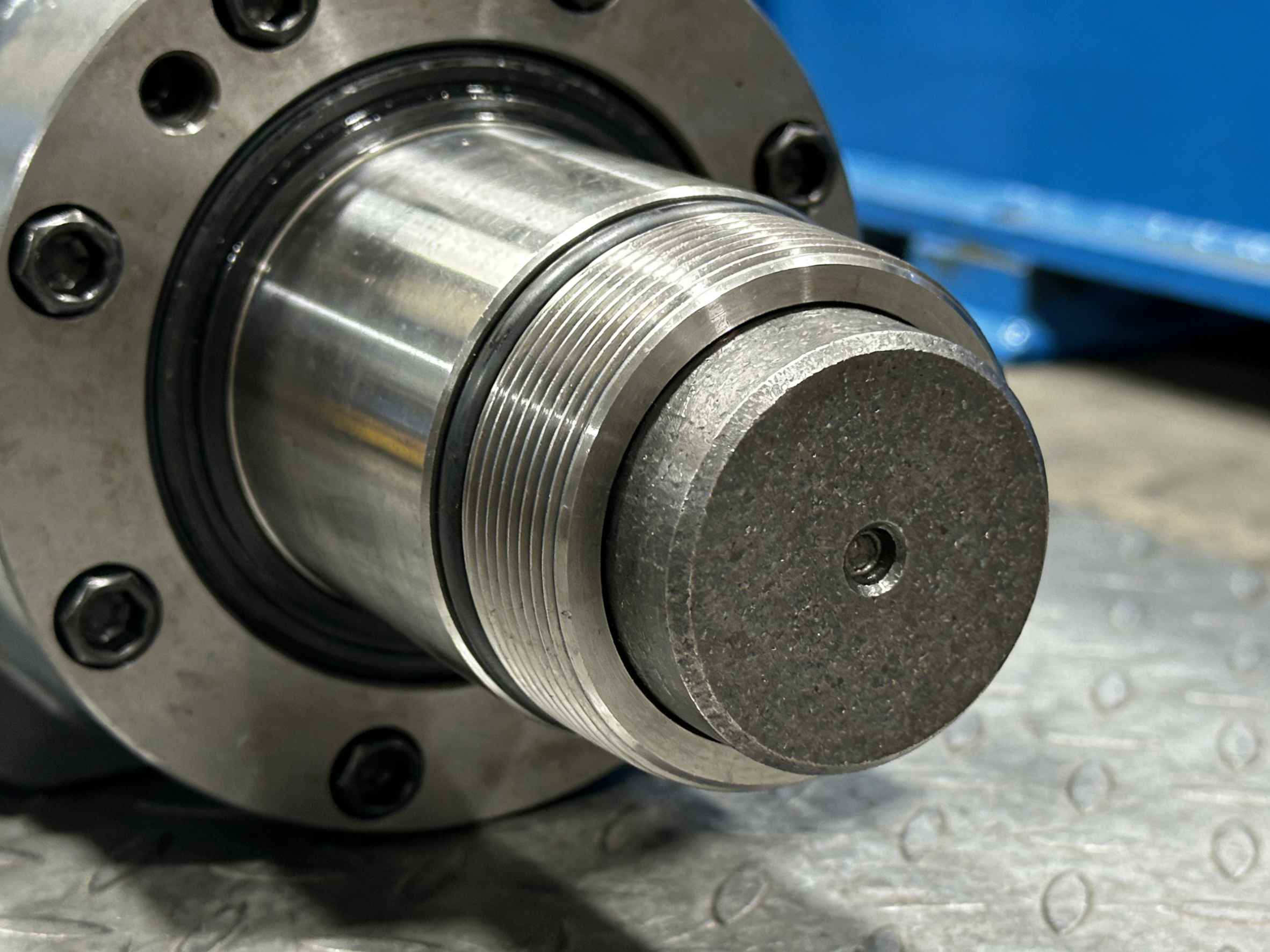
Der Piston’ s Kernfunktion: Energieumwandlung und Impaktübertragung
Der Kolben wirkt als Brücke, die hydraulische Energie und mechanische Energie verbindet; Ihr Betrieb ist ein genau gesteuerter dynamischer Zyklus.
Arbeitsprinzip: Vier-Schritt-zyklischer Aufprallstreik
Jeder wirksame Schlag des Hydraulikbrechers hängt von der präzisen Rückwärtsbewegung des Kolbens innerhalb des Zylinders ab. Dieser Prozess kann in vier Schlüsselstufen unterteilt werden:
- Rückschlag Energiespeicherstufe:Hochdruck-Hydrauliköl gelangt in die untere Kammer (Vorderkammer) des Kolbens und drückt ihn nach oben (Rückhub). Zu diesem Zeitpunkt tritt das hintere Ende des Kolbens in den mit Stickstoff gefüllten hinteren Zylinder (Akkumulator) ein, wo er beginnt, den Stickstoff zu komprimieren, einen Teil der hydraulischen Energie in die Druckpotentialenergie des Stickstoffs umzuwandeln und zu speichern.
- Umkehr Trigger Phase:Wenn der Kolben eine vorbestimmte Position erreicht (in der Regel durch den Hydraulikkreislauf oder die Sensoren gesteuert), wird das Umkehrventil ausgelöst, um sofort die Richtung des Hydraulikölstroms zu ändern. Zu diesem Zeitpunkt wird der Öldurchgang oberhalb des Kolbens abgeschnitten oder zum Ölrückgabe geschaltet.
- Schlaganfall Release Phase:Nach dem Umkehren gelangt das Hochdrucköl in die obere Kammer (Hinterkammer) des Kolbens. Gleichzeitig dehnt sich der komprimierte Hochdruckstickstoff im Heckzylinder schnell aus und setzt sich frei. Unter der kombinierten Wirkung des Hochdruckhydraulicöls und des expandierenden Stickstoffs erhält der Kolben eine enorme Beschleunigung und bewegt sich mit hoher Geschwindigkeit (Hubgeschwindigkeit) nach unten.
- Schlagkraft Stufe:Der Kolben, der auf extrem hohe Geschwindigkeit beschleunigt wird, trifft mit seinem vorderen Ende heftig auf die Rückseite des Meißels. Die enorme kinetische Energie wird durch das Werkzeug an seine Spitze übertragen und wirkt auf das zu zerkleinernde Objekt und führt einen effektiven Zerkleinerungsvorgang durch.
Zusammenfassung der Kernfunktion
- Energieumwandler:Umwandelt die Flüssigkeitsdruckenergie (glatt aber kontinuierlich) des Hydrauliksystems in Schlagkinetische Energie (intensiv und sofortig).
- Schlaggenerator:Das Produkt seiner Masse und Endgeschwindigkeit bestimmt die Schlagenergie eines einzelnen Schlags (E = 1/2 mv²) und ist die direkte Quelle der Brechkraft.
- Systemkoordinator:Erzielt eine stabile, periodische, hohe Geschwindigkeit Rückwärtsbewegung durch Verknüpfung mit dem Umkehrventil und dem Stickstoffspeicher.
Materialwissenschaft und Wärmebehandlung unter extremen Bedingungen
Der Kolben arbeitet in einer extrem rauen Umgebung - mehrere heftige Schläge pro Sekunde, extrem hohen Oberflächendruck und durch Reibung erzeugte Wärme ertragen. Daher bestimmen ihre Materialien und Prozesse direkt ihre Zuverlässigkeit und Lebensdauer.
Auswahl von Speziallegiertem Stahl
Gewöhnlicher Stahl kann die Anforderungen nicht erfüllen. Hochwertige Hydraulikbrecherkolben verwenden in der Regel 40CrNiMoA-Typ hochwertigen legierten Konstruktionsstahl. Die Vorteile dieses Materials sind:
- Hohe Festigkeit und hohe Zähigkeit:Die Zugabe von Legierungselementen wie Chrom (Cr), Nickel (Ni) und Molybdän (Mo) gewährleistet eine extrem hohe Festigkeit und verleiht gleichzeitig eine ausgezeichnete Zähigkeit, die es ermöglicht, enormen Schlaglasten ohne spröde Bruche standzuhalten.
- Gute Härtbarkeit:Gewährleistet gleichmäßige und ausgezeichnete mechanische Eigenschaften von der Oberfläche bis zum Kern nach der Wärmebehandlung.
Präzisionswärmebehandlung und Oberflächenhärtung
Nach der Materialauswahl bestimmt der Prozess die Leistungsdecke. Zu den Kernprozessen gehören:
- Quenching und Tempering:Durch Löschen und Hochtemperatur Temperieren erhält der Kolbenkern eine umfassende mechanische Eigenschaft (hohe Festigkeit und hohe Zähigkeit), die Festigkeit und Zähigkeit kombiniert, um der gesamten Schlagspannung standzuhalten.
- Oberflächenkarbung/NitrierungDie Carburierung erfolgt auf der Kolbenfläche, insbesondere auf der Schlagfläche, um eine extrem harte und verschleißfeste gehärtete Schicht zu bilden.
Seine Oberflächenhärte kann HRC 58-62 erreichen (Rockwell-Härte). Dies gewährleistet:
- Extrem hohe Verschleißbeständigkeit: Beständig gegen kontinuierlichen Hochfrequenzschlagsverschleiß gegen den Meißel
- Verformungsbeständigkeit:Sorgt dafür, dass die Schlagfläche nach langfristigem Gebrauch flach bleibt, wodurch eine Reduzierung der Energieübertragungseffizienz aufgrund von Vertiefungen vermieden wird.
- Lange Lebensdauer:Unter normalen Betriebsbedingungen und Wartung kann ein hochwertiger Kolben für eine Lebensdauer von mehr als 3 Jahren ausgelegt werden.
Präzisionsfertigung und Fit auf Mikronenebene
Der Kolben arbeitet nicht unabhängig; seine Passung an den Innenzylinder ist eine weitere Rettungslinie für seinen effizienten und stabilen Betrieb.
Die “ Goldene Regel” von Clearance Fit
Der Kolben und der Innenzylinder haben eine präzise Freipassung. Diese Freigabe ist der Kern der Fertigungstechnologie; die optimale Balance zwischen “ Leckage” und “ Reibung” muss gefunden werden:
- Schädliche Auswirkungen einer übermäßigen Clearance: Verursacht eine erhebliche Leckage von Hochdruck-Hydrauliköl durch den Freiraum (interne Leckage). Dies führt nicht nur zu Energieverlust und erhöhter Öltemperatur, sondern führt auch direkt zu schwachen Auswirkungen, die die Arbeitseffizienz stark beeinträchtigen.
- Schädliche Auswirkungen einer unzureichenden Clearance:Der Kolben wird durch Reibung und Aufprall während des Betriebs thermisch ausgedehnt. Ein unzureichender Freiraum wird dazu führen, dass der Spalt zwischen dem erweiterten Kolben und der Zylinderwand verschwindet, was zu “ fangen” oder abnormalen Verschleiß. Dies kann zu kleineren Problemen wie schlechter Bewegung und reduzierter Schlagfrequenz führen oder zu schwerwiegenderen Problemen wie Scoring oder Kratzern des Kolbens oder Zylinders, was zu schweren Störungen führt.
Standardisierte Fertigung für einfache Wartung
Um diese genaue Passform zu gewährleisten, erfordert der Zylinderkörper eine extrem hohe Bearbeitungsgenauigkeit. Die Verwendung einer CNC-Schleifmaschine für die Endbearbeitung des Zylinderkörpers gewährleistet einen hohen Grad an Konsistenz in der Rundigkeit, Zylindrizität und Dimensionstoleranzen seiner Innenbohrung. Qualitätsbewusste Hersteller wie METDEEM Verwenden Sie diesen Prozess, um sicherzustellen, dass jeder Zylinder des gleichen Modells ein “ Standardzylinder. ”
Austauschbarkeitsvorteil. Das bedeutet, dass nach Standardverfahren hergestellte Kolben auf demselben Hydraulikbrechermodell vollständig austauschbar sind. Dies vereinfacht die Beschaffung und den Austausch von Ersatzteilen während der späteren Wartung erheblich und reduziert langfristige Haltekosten für die Anwender.
Leitlinien für Kolbenwartung und Langzeitlagerung
Eine richtige Wartung kann die Lebensdauer des Kolbens und des gesamten Hydraulikbrechers erheblich verlängern.
Wartung während des Betriebs
- Ausreichende Schmierung:Übertragen Sie regelmäßig Fett auf die Meißelführungshülse durch die Fettfesting, um ungleichmäßigen Verschleiß auf der Kolbenschlagfläche zu reduzieren.
- Vermeiden Sie Trockenbrennen:Feuern Sie den Meißel nie ab, bevor er gegen ein Objekt gedrückt wird, um einen direkten Aufprall zwischen Kolben und Meißel zu verhindern, der Schäden verursachen kann.
- Monitor für Anomalien:Achten Sie auf Veränderungen im Klang und der Kraft des Aufpralls; Anomalien können auf Verschleiß am Kolben oder zugehörigen Komponenten hinweisen.
Richtiger Betrieb für Langzeitlagerung
Sollte das Gerät länger als einen Monat außer Betrieb sein, müssen folgende Schritte zum Schutz des Kolbens unternommen werden:
- Freisetzung von Stickstoff:Lassen Sie den Stickstoff im hinteren Zylinder sicher auf den Luftdruck frei, um einen längeren Druck auf die Dichtungen zu verhindern.
- Push-In Schutz:Verwenden Sie den Meißel, um den Kolben vollständig in den Zylinder zu drücken. Dies taucht die Kolbenfläche in Hydrauliköl ein und isoliert sie von der Luft.
- Rostprävention:Der Hydraulikölfilm verhindert effektiv Oxidation und Rost am Kolben’ s bearbeitete Oberflächen durch feuchte Luft. Rost wird die Glattheit der Oberfläche beeinträchtigen, was zu Dichtungsausfällen und Ölleckagen während des zukünftigen Betriebs führt.
- Trockene Lagerung:Lagern Sie den gesamten Hydraulikbrecher in einer trockenen, gut belüfteten Innenumgebung, um Regen und Feuchtigkeit zu vermeiden.
FAQ (häufig gestellte Fragen)
F: Was ist das offensichtlichste Zeichen von Kolbenschäden?
A: Das offensichtlichste Zeichen ist eine signifikante Abnahme des Hydraulikbrechers’ s Schlagkraft, instabile Schlagfrequenz oder abnormale metallische Klänge. In schweren Fällen kann es den Hydraulikbrecher völlig unbrauchbar machen.
F: Ist es beim Austausch des Kolbens notwendig, den Zylinderkörper gleichzeitig zu ersetzen?
A: Nicht unbedingt. Jedoch muss ein Fachmann den Verschleißzustand des Zylinderkörpers messen’ s Innendurchmesser. Wenn der Verschleiß des Zylinderkörpers den akzeptablen Bereich übersteigt, wird der einfache Austausch des Kolbens den richtigen Passfreiraum nicht wiederherstellen, was immer noch zu innerer Leckage oder schnellem Verschleiß führt.
F: Kann die hochhärte Schicht auf der Kolbenoberfläche nach Verschleiß repariert werden?
A: Im Allgemeinen nicht. Die Oberflächenhärtungsschicht wird durch Tiefkohlung und Wärmebehandlung gebildet; Die Reparatur nach Verschleiß ist extrem teuer und kann keine Leistung garantieren. Der Kolben ist ein Kernverbrauchkomponente; Ersatz durch eine neue wird empfohlen.
F: Warum muss der Kolben während der Langzeitlagerung ganz nach unten geschoben werden?
A: Um sicherzustellen, dass der Kolben’ Die Arbeitsfläche ist vollständig in Hydrauliköl eingetaucht und bildet einen Schutzölfilm, um Korrosion durch Luftexposition zu verhindern. Rost beschädigt die Dichtung und beschleunigt den Verschleiß.
F: Wie lange ist die typische Lebensdauer eines Kolbens?
A: Die Lebensdauer hängt von den Materialien, dem Herstellungsprozess, den Betriebsbedingungen und der Wartung ab. Unter normalen Betriebsbedingungen und bei guter Wartung kann ein hochwertiger Kolben aus 40CrNiMo und vergarbt eine Lebensdauer von 3 Jahren oder mehr haben.