Die Wahl der richtigen Baggergröße ist von großer Bedeutung, um einen guten Workflow, ein Kostenmanagement und eine pünktliche Fertigstellung zu erreichen. Die Maschine’ Die Größe spielt eine große Rolle bei der Bearbeitung bestimmter Aufgaben. Wenn Sie eine wählen, die’ s zu klein, könnte es Probleme mit der Last haben. Dies könnte die Endzeit verlängern und den Kraftstoffverbrauch erhöhen. Wenn Sie jedoch einen übergroßen Bagger für einen engen Arbeitsbereich auswählen, könnte dies Handhabungsprobleme und höhere Betriebsgebühren verursachen.
Übersicht über METDEEM Bagger
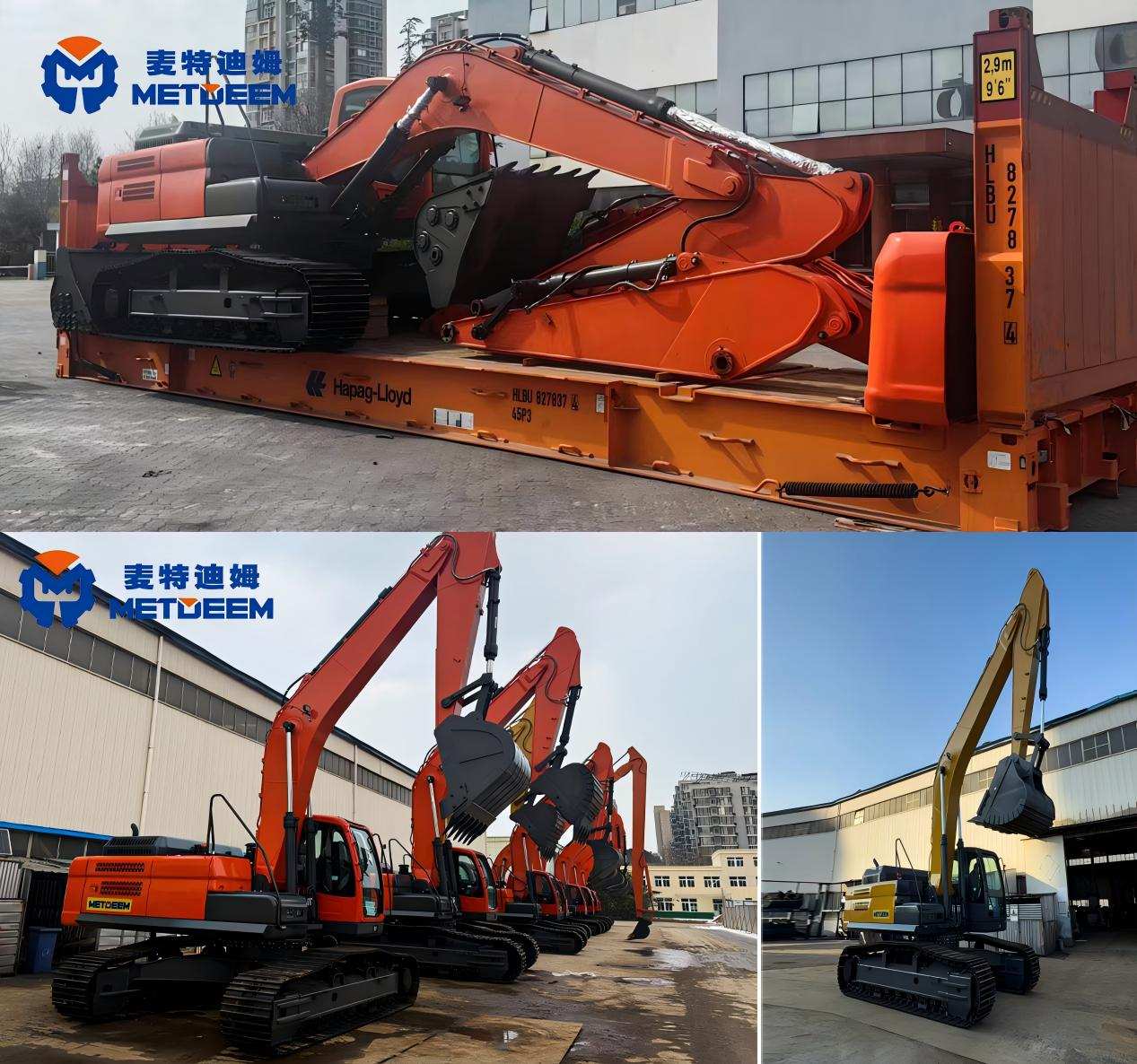
METDEEM liefert eine breite Palette an Baggern. Diese reichen von kleinen Minitypen wie dem METDEEM DM25 bis hin zu robusten Bergbautypen wie dem DM360LC. Unser Unternehmen entwickelt diese Bagger für verschiedene Auftragsgrößen und Branchenanforderungen. Als solider Baugetriebehersteller mit Sitz in Yantai, Provinz Shandong, METDEEM konzentriert sich auf Stärke, dauerhaften Aufbau und realen Einsatz in allen Linien.
Projektskala und Baggerbedarf
Kleinstädtische Projekte
Stadtgebäude beschäftigen sich oft mit engen Eingangswegen, kleinen Flächen und sorgfältiger Bodenbehandlung. Mini-Bagger passen zu Aufgaben wie Hofarbeiten, Stadtruhrschneiden und grundlegenden Grundgräbungen. Die METDEEM DM60 LC dient als klarer Fall.
Es verfügt über einen kleinen Rahmen mit 1,86 m Breite und ein 6 Tonnen Arbeitsgewicht. Diese Einrichtung macht es sehr agil in Plätzen wie Hofen oder Pflanzenhäusern. Der Yanmar-Motor verbraucht nur etwa 5 Liter pro Stunde. Das ermöglicht starke Kraftstoffeinsparungen für ausgedehnte, einfache Aufgaben. In einer Innenstadt-Pipe-Reparatur drückt dieses Modell an geparkten Autos vorbei und endet in einem halben Tag, basierend auf Crew-Erfahrungen auf ähnlichen städtischen Abfahrten.
Mittelgroße Wohn- oder Gewerbeflächen
Für Standardbauaufgaben wie durchschnittliche Heim-Setups oder Business-Centers treffen mittlere Bagger das Ziel, indem sie die Reichweite, die Hubstärke und die Bewegungsfreiheit ausgleichen. Die METDEEM DM230LC Diese Gruppe passt gut.
Mit 23 Tonnen im Betrieb und einem 1,1 m³ großen Eimer eignet es sich für Basisschnitte, Niveaufbereitung und leichte Ausfälle. Der Isuzu 4HK1 Motor liefert 133 kW. Er kombiniert sich mit einer Kawasaki Hydraulikaufstellung für schnelle Reaktion. Auf einem Nachbarschaftshausplatz verschiebt es die Bodenbelastung stetig und reduziert die Zykluszeiten auf 20 Sekunden pro Pass, wie in den Bedienernotizen aus Feldversuchen festgestellt.
Große Infrastruktur- oder Bergbauprojekte
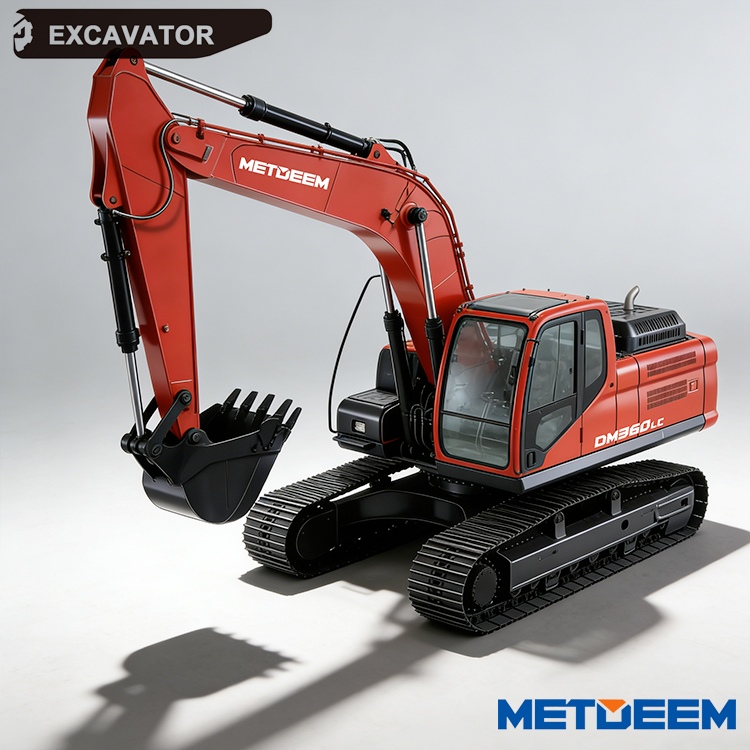
Schwierige Arbeiten wie Straßenbau, Minenfahrten und große Schmutzbewegungen erfordern starke Maschinen, die bestehen. METDEEM DM360LC ist perfekt für diese Rolle geeignet. Er wiegt 36 Tonnen und verfügt über einen 1,6 m³ großen Eimer. Der 212 kW starke Isuzu-Motor treibt ihn an. Dieser Bergbaubagger bringt Kraft und konstante Leistung für harte Arbeit. Seine Konstruktion besteht aus 13 mm dicken Kettenplatten und einer 90 mm großen Eimerwelle. Diese nehmen wiederholte schwere Schläge.
Vergleich von Baggertypen nach Größe
Minibagger (1-6 Tonnen)
Minibagger bieten eine kleine Form und niedrigen Bodendruck. Sie bewegen sich leicht und verbrennen weniger Kraftstoff. Dies macht sie zu einer klugen Wahl für kleine Crew-Leads.
Der DM25 verbindet einen leichten Rahmen mit solider Wirkung durch moderne Hydraulik von Kawasaki und Doosan Teilen. Es leuchtet in der Stadtpflege und nahe-Quartier-Ausgrabungen. Das größere Getriebe kann einfach’ t diese Stellen ohne Mühe zu erreichen.
Mittelbagger (7-25 Tonnen)
Diese Einheiten funktionieren gut in vielen Rollen. Sie behandeln Grundgräbungen, Rohrschnitte, Bodenebene und kleine Abreißungen. Der DM230LC zeigt eine feine Stärke-zu-Gewicht-Übereinstimmung. Es reicht weit mit einem 8,6 Meter langen Boom und Arm insgesamt. Die Kabine erfüllt die ROPS/FOPS-Normen. Es hat auch mehrsprachige Bildschirme für die Arbeit weltweit.
Großbagger (26 Tonnen)
Diese sind für große Schmutzverschiebungen in Minen und großen Gebäuden gebaut. Sie haben harte Rahmen und starke Zugkräfte. Der DM360LC fängt mit seinem robusten Q355B-Manganstahl auf. Der elektronische Kraftstoffaufbau reduziert Abfall und bietet gleichzeitig hohen Zug. Es bietet Add-ons wie längere Arme oder volle elektrische Leistung für bestimmte Arbeitstypen.
Faktoren, die die Größenauswahl beeinflussen
Einschränkungen auf der Stelle
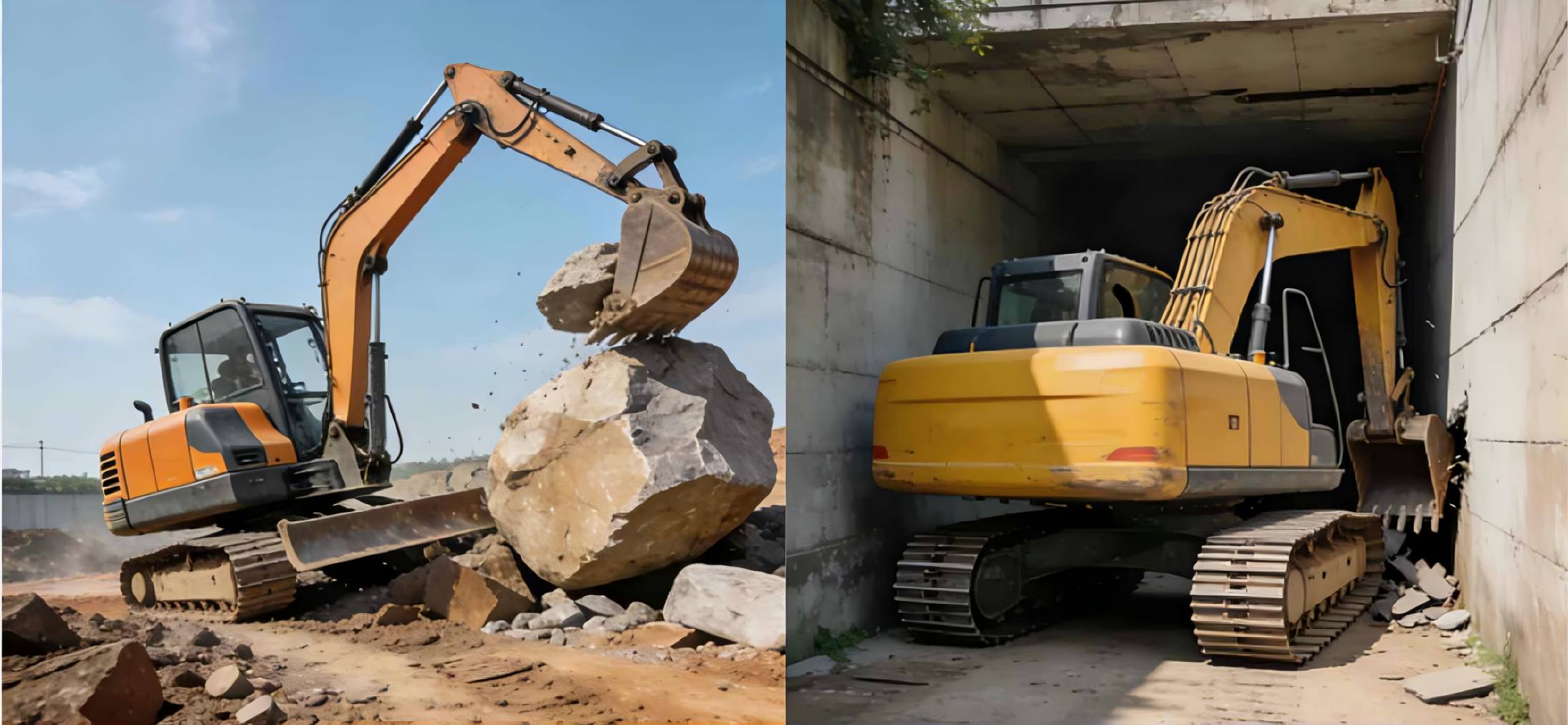
In Stadtgebieten oder in bebauten Plätzen mit schmalen Wegen oder begraben Linien ist die einfache Handhabung am wichtigsten. Dies setzt eine Kappe auf die Getriebegröße. Zum Beispiel benötigt ein Standort mit 2-Meter-Toren Minis, um Kranhifte zu vermeiden.
Materialtyp und -volumen
Dicker oder rauer Schmutz erfordert kräftige Einheiten mit besserem Zug und größeren Eimern. Der Betrag bestimmt die Laufzeit. Breitere Eimer schneiden die notwendigen Reisen.
Budget und Betriebskosten
Große Bagger kosten mehr zu kaufen und zu reparieren. Aber sie geben eine bessere Leistung, wenn sie richtig verwendet werden. Balance Kraftstoffverbrauch mit der Arbeitsnachfrage. Ein 25-Tonnen-Modell könnte mit 12 Litern pro Stunde laufen, aber einen Job in zwei Tagen beenden, im Vergleich zu einem kleinen. s wöchenlanges Schleifen, von Kostenaufschlüsseln in Bauangeboten.
Kosteneffizienzbewegungen
Anfangsinvestition vs. langfristiger Wert
Extra Ausgaben für zu große Maschinen führen zu Sitzzeiten und Rechnungen zu beheben. Zu kleine verursachen Haltungen. METDEEM bringt Modelle wie den DM260LC. Er betreibt einen Cummins QSB7 Motor mit 169 kW. Der Kraftstoffverbrauch bleibt bei normalen Betrieben bei rund 14 Litern pro Stunde. Dies balanciert Ausgaben und Arbeitsrate gut.
Kosteneffiziente Lösungen von METDEEM
Unser gesamtes Sortiment deckt alle Ausgabestufen ab. Von der kostengünstigen DM25 für Area Crews bis hin zu starken wie der DM360LC für große Outfits. Klare Ölspiegelmarken helfen bei der Wartung. Teile passen über Typen hinweg. Schnelle Ersatzketten reduzieren Stoppzeiten.
Die Wahl des richtigen METDEEM-Modells
- Für kompakte Arbeitsplätze: DieMETDEEM DM25 Modell bewegt sich einfach dank seiner kleinen Basis. Es hinterlässt kleine Spuren. Es passt zu Stadtpeifenarbeiten oder Hofaufstellungen genau richtig.
- Für den allgemeinen Bau: Modelle wie DM230LC oder DM260LC haben verschiedene Add-ons wie Hydraulikbrecher, Griffe oder lange Arme. Sie passen sich an Schnitte, Ebenen oder Ausfälle an.
- Für schwere Projekte: Mining-Typ wie DM360LC bietet tiefe Grabungen, solide Bauten und stabilen Halt für Minen oder große Arbeiten.
Schlussfolgerung
Die Auswahl der passenden Baggergröße kann Ihre Bauaufgabe gestalten’ Ergebnis in großer Weise. Durch das Greifen Ihrer Arbeit’ Durch die Kombination mit der fokussierten Getriebegetriebe von METDEEM - von den schnellen DM25-Typen bis hin zu den starken DM360LC-Typen - erhöhen Sie die Arbeitsrate, während Sie die Gebühren kontrollieren. Mit erstklassigen Konstruktionsfähigkeiten und weltweiten Nachverkaufsnetzen sorgt METDEEM dafür, dass Ihre Ausrüstungsausgaben nachhaltige Gewinne bringen.
FAQ (häufig gestellte Fragen)
F: Woher weiß ich, welche Größe Bagger ich brauche?
A: Überprüfen Sie Ihren Job’ s Reichweite, Standortgrenzen, Schmutzart, Tiefenruf und Mittel. METDEEM bietet maßgeschneiderte Auswahl für alle, von kleinen bis hin zu Minengetrieben.
F: Kann ein Mini-Bagger kommerzielle Projekte bearbeiten?
A: Ja, Einheiten wie der DM25 verwalten einfache Geschäftsaufgaben wie z. B. die Formung von Hofen oder kleine Rohrsatzungen. Aber sie don’ t passen tiefe Schnitte oder schwere Hebungen.
F: Was ist der Unterschied zwischen einem mittleren und einem großen Bagger?
A: Mid-Modelle bieten Flexibilität mit fairer Leistung - gut für die meisten Standardstandorte. Große Bagger eignen sich für weitreichende Arbeiten wie Minen oder riesige Bauten.
F: Sind größere Bagger immer produktiver?
A: Nein. Zu große können durch schlechten Umgang und zusätzliche Gebühren in engen Stellen zurückbleiben.
F: Bietet METDEEM Unterstützung nach dem Kauf?
A: Ja, METDEEM gibt volle Nachverkaufshilfe. Dies umfasst schnelle Teilesendungen, technische Hilfe durch Pro-Linien und einfache Reparaturanleitungen.