The Importance of Post-Holiday Machine Checks
Extended breaks, such as the Chinese New Year, offer operators and crews a deserved break from daily routines. However, they also carry a concealed danger: equipment that remains unused for weeks on end. Excavators form the backbone of building sites, mining fields, and city upkeep tasks. Such periods of rest can lead to problems that stay out of sight at first. Bringing them back online without a solid review often results in malfunctions, surprise stoppages, or risks to safety. These stem from things like spoiled liquids or seals that have lost strength.
As an established producer of excavators and add-on tools, METDEEM highlights the need for planned reviews after these pauses. This practice supports a secure shift back to active duty.
Why Focus on Excavators After Holidays
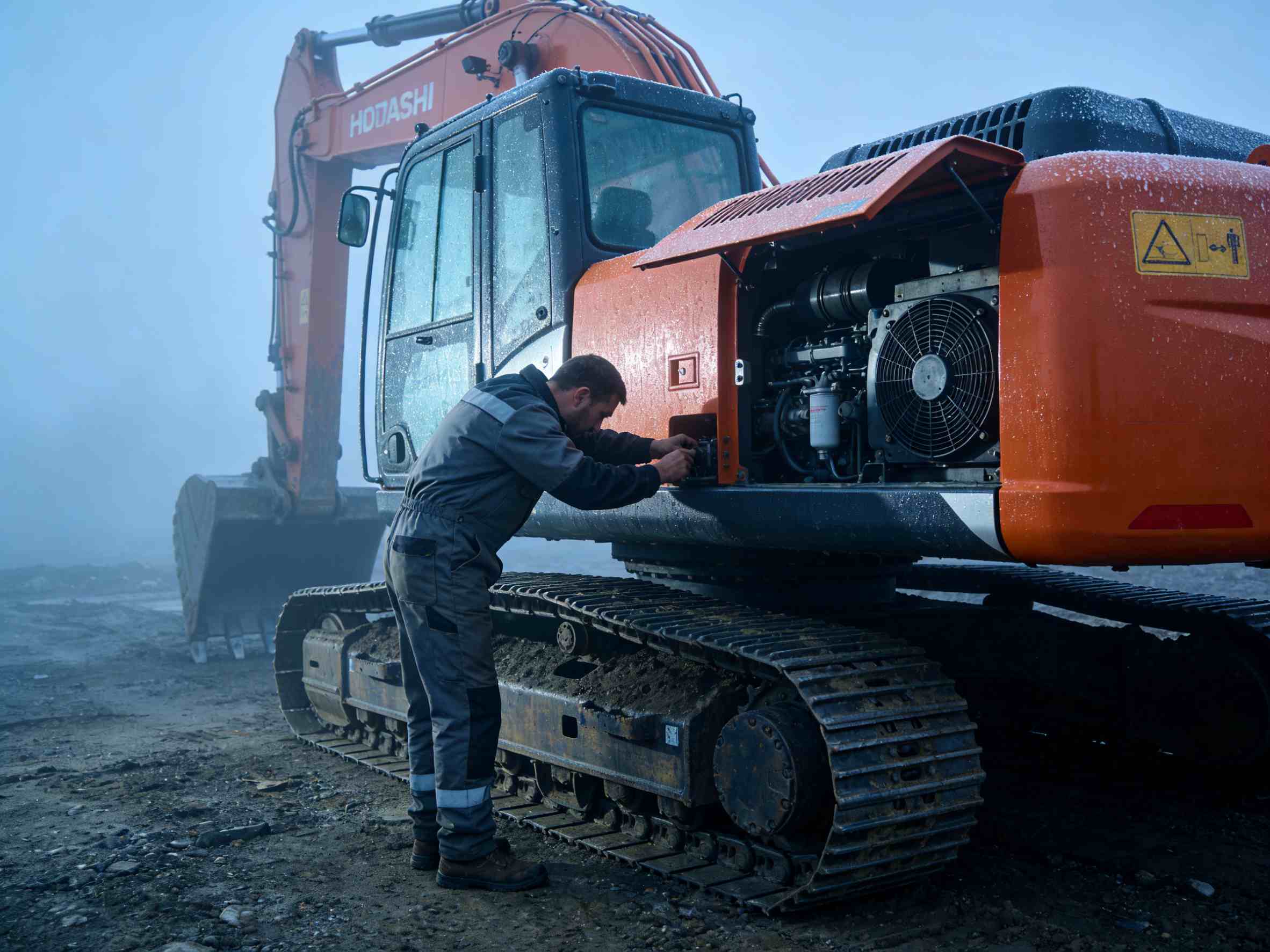
Excavators face heavy mechanical stresses and hydraulic forces while in use. Long spells of no activity can trigger oil breakdown, stiffening of rubber seals, air entry into hydraulic pipes, and battery drain. You may not notice these right off the bat. Yet they can harm how well the machine runs or cause parts to give out when you start loading it up again.
At METDEEM, we advise that all machines—from smaller versions like the DM60LC to rugged ones like the DM360LC—receive a step-by-step startup exam after time away. Our excavators feature obvious spots for maintenance and a good fit with common replacement parts. This design eases the inspection work for those handling them.

Engine System Inspection
Checking Engine Oil Condition and Levels
Begin your check with the engine oil. Scan for shifts in its shade, such as a pale milky tone or a deep black color. Also, watch for traces of metal bits, sticky residue, or a drop in its thickness. When the oil seems dirty or worn down, replace it with engine oil on time. That keeps lubrication right and the engine safe. Steer clear of adding too much, since extra oil raises pressure within and might cause drips.
Coolant System Evaluation
Confirm the coolant amount in the storage tank and the radiator. Test the antifreeze mix with a density tool, especially if the weather turned chilly over the shutdown. Look over the hoses for any splits or puffs. See to it that the radiator’s thin blades lack dust or scraps that piled up while the unit sat.
Hydraulic System Readiness
Inspecting Hydraulic Fluid and Filters
Examine the hydraulic oil level via the view panel. The liquid needs to appear transparent and fall inside the working marks. A cloudy or shadowy look suggests it picked up water or went through oxidation, which hampers the system’s output. Swap any stuffed filters according to METDEEM’s upkeep plan.
Verifying Hose Integrity and Sealing Points
Give the hydraulic hoses a close once-over for damage signs like fissures, scrapes, or expansions. Fittings that sit loose or seals that feel rigid can bring down pressure or allow escapes. Secure the joints and swap out any faulty elements.
Lubrication Maintenance
Re-lubricating All Grease Points
Refer to the excavator’s operation manual to locate vital grease areas—think bucket pins, rotation links, and base boom pins. Put on suitable grease to allow easy motion when bearing weight. This step counts extra for units like the DM230LC, built for tough digging work.
Checking for Dry Friction Signs
In the first tests of motion, tune your ear to creaks or rasps—these point to bare metal touching metal. Add lube on the spot to head off fast wear or breakdowns on parts. Field crews in quarries often note that catching these noises early during startup cuts repair frequency by half.
Electrical System Diagnosis
Battery Status and Charging System Check
Batteries commonly weaken over idle times. Measure voltage with a multimeter (aim for 12.6V or more when full). Check the ends for rust and make sure links hold snug. With METDEEM models like the DM60W, verify the alternator’s power matches the maker’s guidelines.

Wiring Harnesses and Fuse Box Review
Small animals like rats often nest in machines at rest. Eyeball the wire bundles for gnaw traces or split sheaths. Probe each fuse for steady flow to dodge work interruptions.
Controlled Startup Procedure
Initial Slow-Speed No-load Operation
Let the engine tick over for 5–10 minutes without tasks. It spreads warmth through liquids in setups like hydraulics and the drive line. Keep watch on the dash gauges—sharp heat jumps or falling pressures might signal buried troubles, such as inner drips or stuffed coolers.
Gradual Load Application Monitoring Response
Work the controls gently with minimal weight. Say, move the boom, then the bucket in turn, before deep digs. Spot any bumpy shifts or pauses—these hint at bubbles in the tubes or jammed valves.
Kesimpulan
A careful routine of checks after holidays proves key to upholding your excavator group’s output. Tackling possible snags head-on following the Chinese New Year or like long halts guards your running hours, lowers fixed expenses, and lengthens machine life. For product support or consultation after holiday periods, feel free to Hubungi kami at our official website.
FAQ (Pertanyaan umum)
Q: What should I check first when restarting my excavator after a holiday?
A: Start by checking the engine oil level and condition, followed by coolant system inspection to ensure basic system health.
Q: How long should the machine idle before applying a load?
A: Allow 5–10 minutes of no-load idling to stabilize internal fluid temperatures before engaging hydraulic functions.
Q: Why is it important to re-grease after a holiday break?
A: Grease may settle or degrade during inactivity; re-lubrication prevents metal-to-metal wear upon restart.
Q: Can I skip electrical checks if the machine starts normally?
A: No, hidden faults like partially discharged batteries or rodent-damaged wires can cause intermittent failures later.
Q: What are the signs of hydraulic system problems after downtime?
A: Look for jerky movements, unusual noises during actuation, slow response time, or visible leaks at seal points.