In heavy construction and mining, unexpected downtime and costly repairs often come down to one overlooked factor—improper excavator positioning. Many operators focus on power and attachments, but neglecting correct machine posture can quickly lead to uneven track wear, reduced stability, higher fuel consumption, and premature undercarriage failure.
tại METDEEM, we understand that your excavator is more than equipment—it’s a long-term investment. Whether you’re working on soft ground, steep slopes, or abrasive quarry sites, mastering proper positioning is essential to extend machine lifespan, improve safety, and maximize operational efficiency.
Stability and Wear: Why Positioning Matters
Optimizing Stability Control with METDEEM Excavator
Stability forms the base of every safe and effective work area. Yet, even top-notch design can’t fix bad placement. Stability control works best on flat ground. A tilted excavator shifts its center of gravity, which strains the lower track and swing motor. When building a METDEEM excavator, we aim for a well-balanced center of gravity to support heavy lifting and digging.
Reducing Stress on Heavy-Duty Attachments
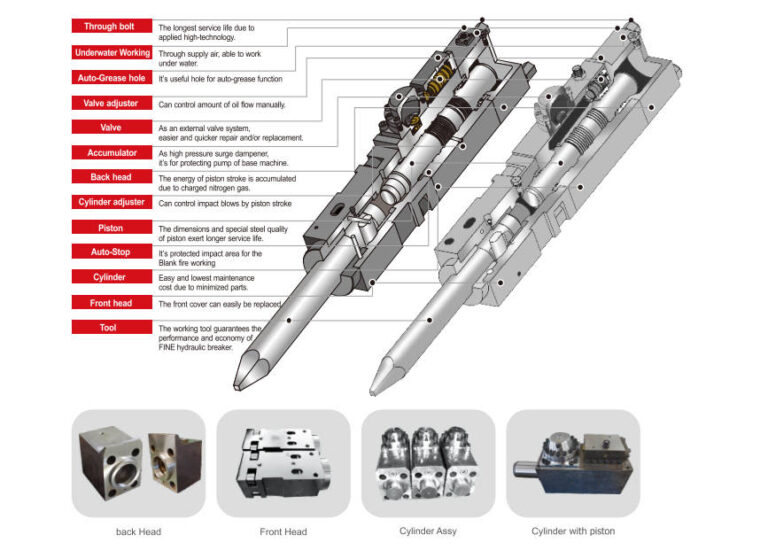
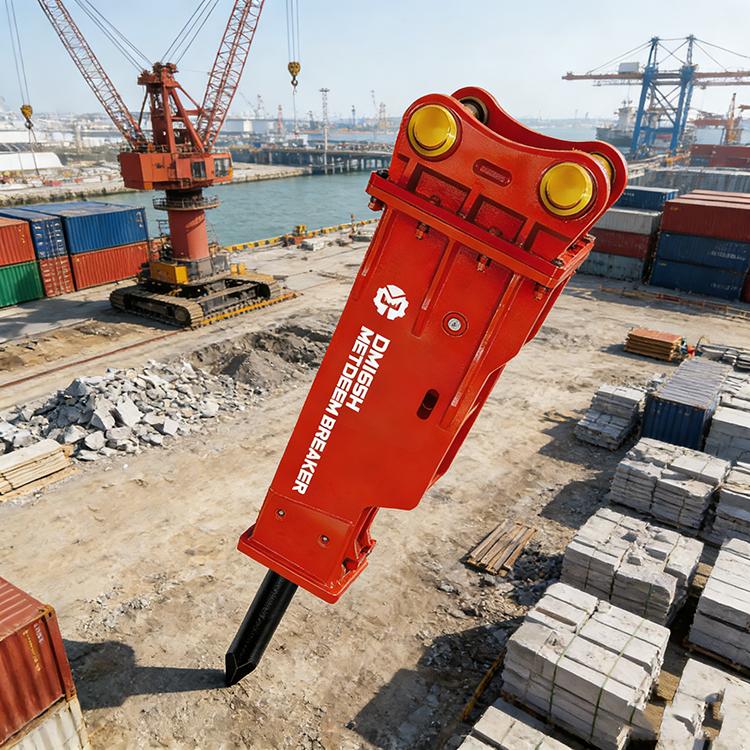
Your machine’s stance affects more than the tracks; it influences how power reaches the attachments. Poor setup on an excavator can misalign tools like the hydraulic breaker with the target. Such an angle leads to off-center strikes, causing empty hits or uneven bushing damage. At METDEEM, we suggest lining up so the boom and arm travel straight from the tracks. In this way, hydraulic power breaks the material directly, without stressing the pins and bushings.
Navigating Challenging Job Site Terrains
Operating on Soft or Unstable Ground
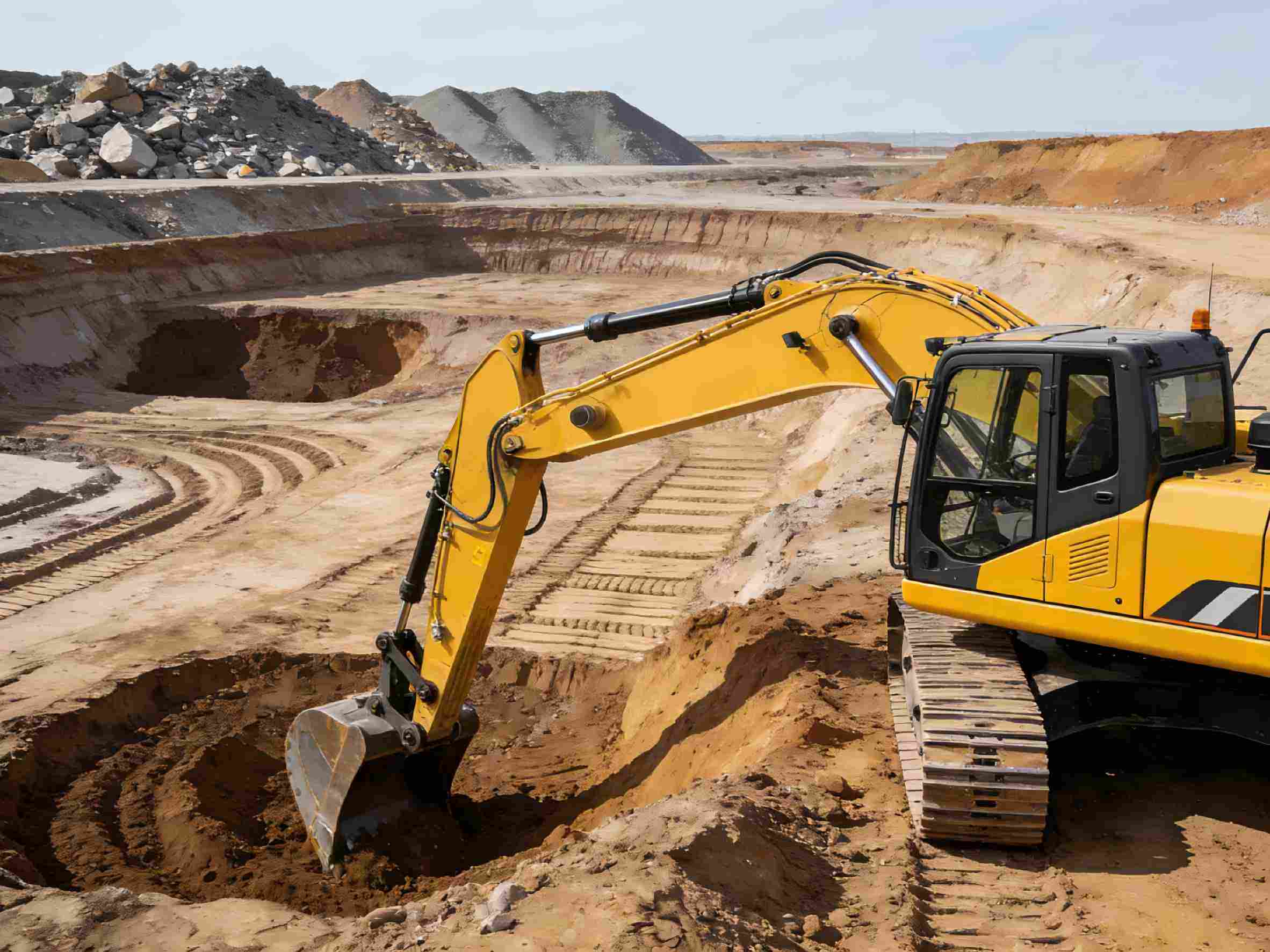
Soft terrain often arises in farming and soil-moving jobs. On mud or loose dirt with an excavator machine, the aim is to boost the ground contact area. Keep the undercarriage free of buildup to stop material from packing in, which hikes track tension and damages. For very shaky spots, operators must skip quick turns that make tracks sink and lose grip, or lay down wood mats or build a firm base with dry fill.
Safe Positioning on Steep Inclines
Slopes rank among the toughest challenges for crawler excavators. To maintain stability, point the drive sprockets to the back when going uphill. This stops track bunching and eases front idler pressure. For compact models like the METDEEM DM60LC máy xúc, drop the dozer blade if available to add contact and steadiness. Place the counterweight—the machine’s heavy rear—uphill when you can. This basic proper operation posture keeps the front from getting too loaded.
Minimizing Impact in Abrasive Gravel Sites
Harsh spots like quarries and rocky mines push equipment to its limits, and the undercarriage faces the most risk here. Sharp stones chip track shoes or jam rollers easily. To cut undercarriage wear reduction, skip fast movement over rocks. Instead, in these areas, shift the excavator only when needed. Rely on the boom and arm’s range to reach the work, avoiding constant repositioning.
METDEEM Chassis Design and Wear Protection
Engineering for Undercarriage Wear Reduction
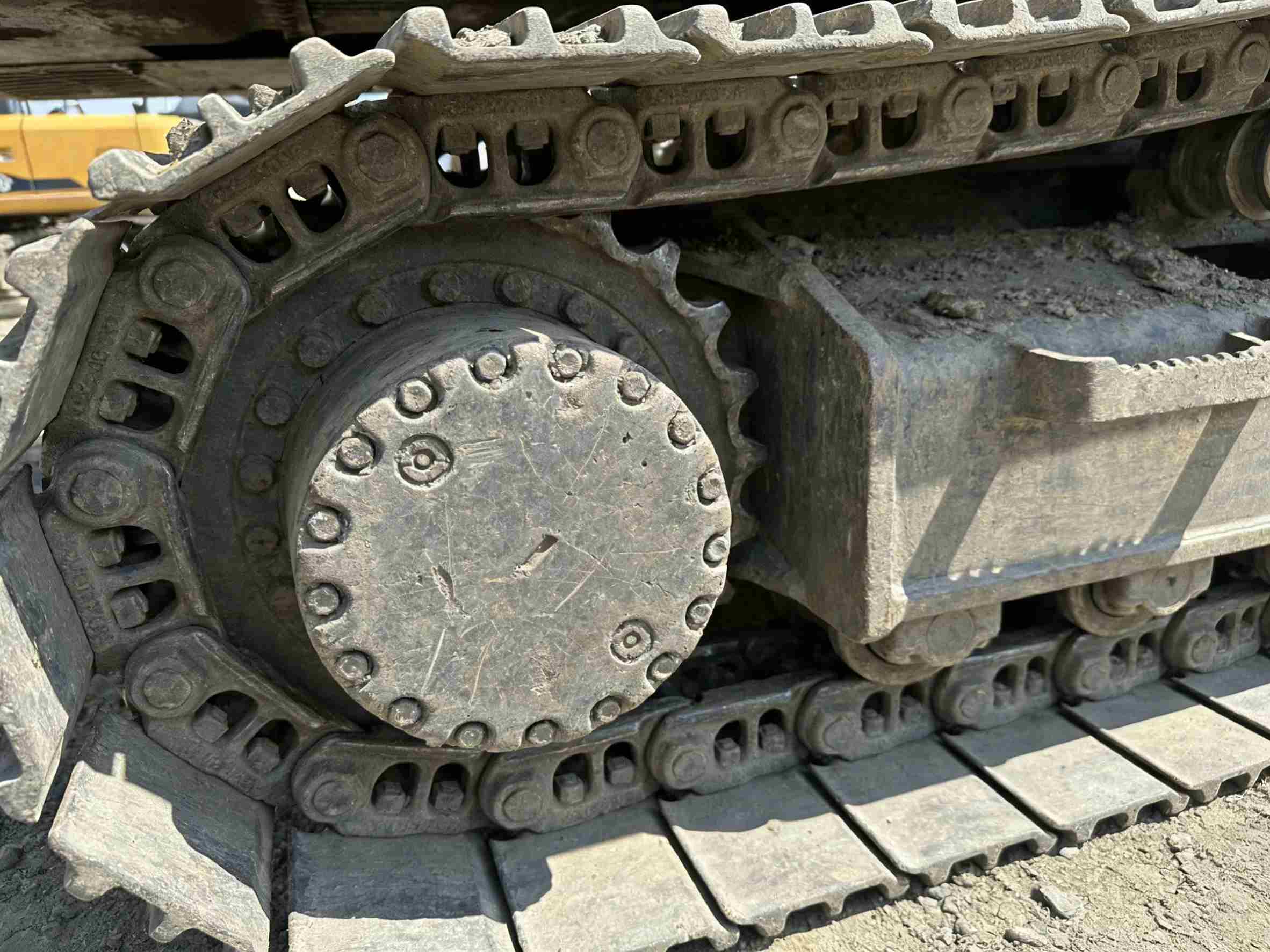
At METDEEM, our production draws from advanced methods and real-world use. We craft track frames and undercarriage parts to handle side forces during digs. High-strength steel and heat treatments provide the toughness to meet high standards. Our ISO 9001 and CE-certified checks make sure each METDEEM excavator undercarriage fights friction and heat, the main threats to track longevity.
Structural Integrity of METDEEM Track Frames
The track frame supports the whole machine. Repeated side work, rather than front or back digging, can warp it over time. We build the chassis of units like the DM360LC máy xúc with strong box sections to fight twisting. That said, good proper operation posture remains vital to block side stress on rollers and idlers.
Dangers of Incorrect Machine Alignment
Identifying Signs of Trackside Wear
Early clues of wrong excavator positioning show as uneven track link and roller edge wear. If one side of your excavator tracks looks polished or thinner, it often means side-slope work or frequent track counter-rotation. This side force builds heat, which harms roller and idler seals and leads to costly breakdowns.
Long-Term Effects of Frame Distortion
Bending a METDEEM frame takes real punishment, but steady bad habits cause gradual twisting over years. Such changes hinder proper track tension. Tight tracks burden the engine and hydraulics; loose ones risk slipping off idlers, known as de-tracking. This downtime harms final drives, too.
Best Practices for Daily Posture Adjustment
Standardized Parking for Long-Term Maintenance
Right stance matters even after work stops. Parking your excavator correctly aids upkeep. Choose flat ground and align tracks straight. Lower the boom so the bucket sits flat. This eases cylinder pressure and balances weight on the undercarriage. In freezing conditions, wood planks under tracks stop them from sticking, safeguarding drive motors for the next shift.
Step-by-Step Proper Operation Posture Guide
For top results and low wear, follow this routine for every operator:
- Survey the Terrain: Check for the flattest spot before setup.
- Align the Tracks: Direct tracks toward the digging face. Steer clear of side work if you can.
- Position the Drive Sprockets: Place the sprockets at the rear. It keeps track bottoms tight and puts high stress on sturdy parts.
- Use Attachments Correctly: Line up your hydraulic breaker straight to the target, avoiding boom side strain.
- Minimize Travel: Let the excavator’s reach bring material to you, not the other way around.
Kết luận
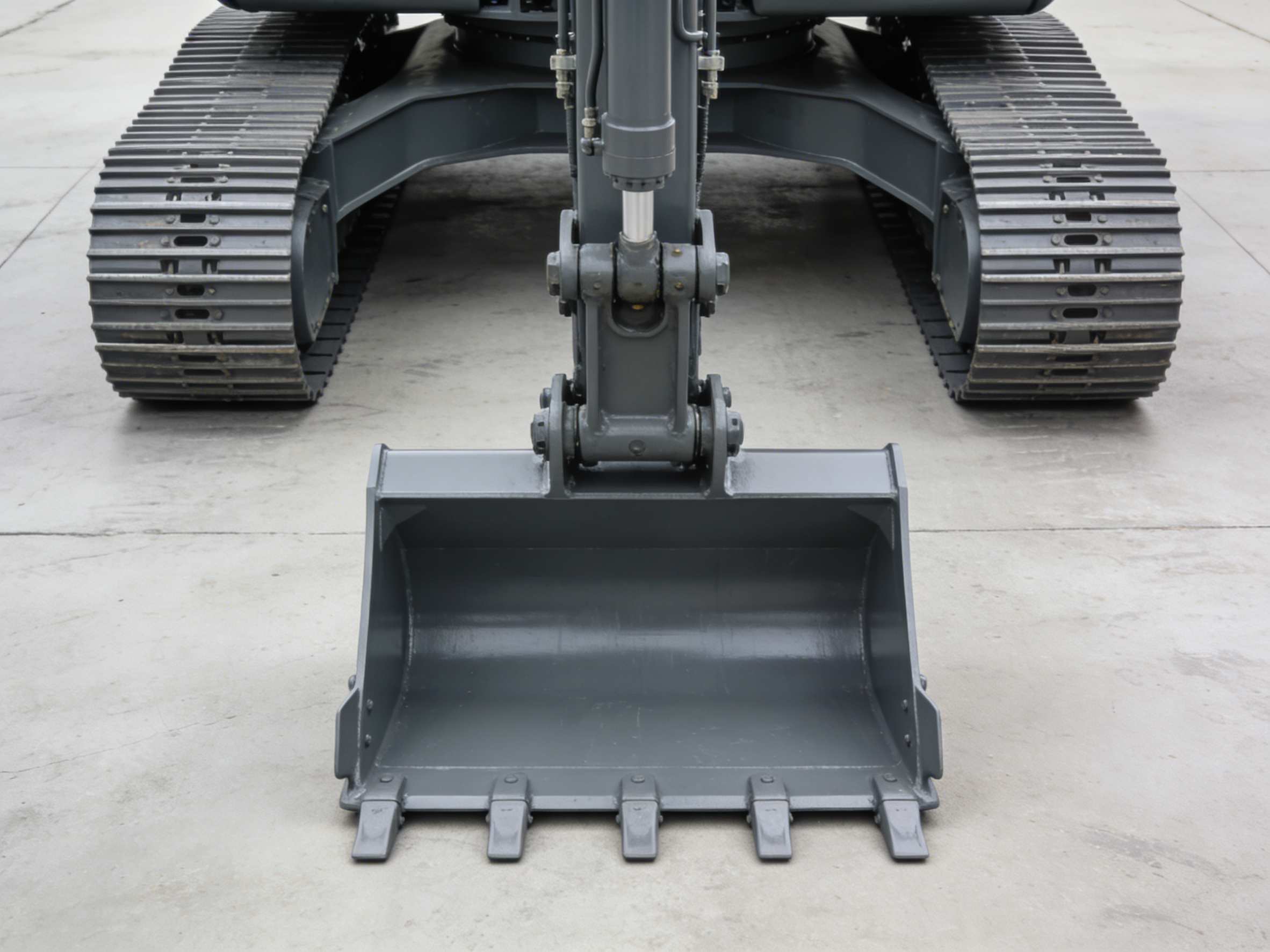
Proper excavator positioning is not just a best practice—it’s a critical factor in protecting your machine, reducing operating costs, and ensuring job site safety. By maintaining correct alignment, minimizing unnecessary travel, and adapting to terrain conditions, operators can significantly extend the lifespan of key components such as tracks, rollers, and final drives.
We stand by not only quality construction gear and tools, but also the training and support to grow your operations worldwide. Guarding your undercarriage now prepares your METDEEM setup for future demands. Liên hệ với METDEEM hôm nay for a quote on high-performance excavators and attachments designed for the toughest environments!
Câu hỏi thường gặp
Q: How đến stop excavator tracks from wearing?
A: Cut wear by leveling the machine and limiting travel. On a METDEEM excavator, rear sprockets during runs and right track tension form key parts of undercarriage wear reduction.
Q: How đến make an excavator more stable on a hill?
A: For slope stability, set tracks up and down the hill, not across. With a METDEEM excavator, put the heavy rear uphill and use the dozer blade on units like the DM60LC for added hold.
Q: What is the best position for an excavator when digging?
A: The most stable proper operation posture means digging over front idlers, not track sides. It spreads forces across the full METDEEM base and avoids uneven roller and frame loads.