Vai trò của áp suất nitơ trong thủy lực Bộ pháS
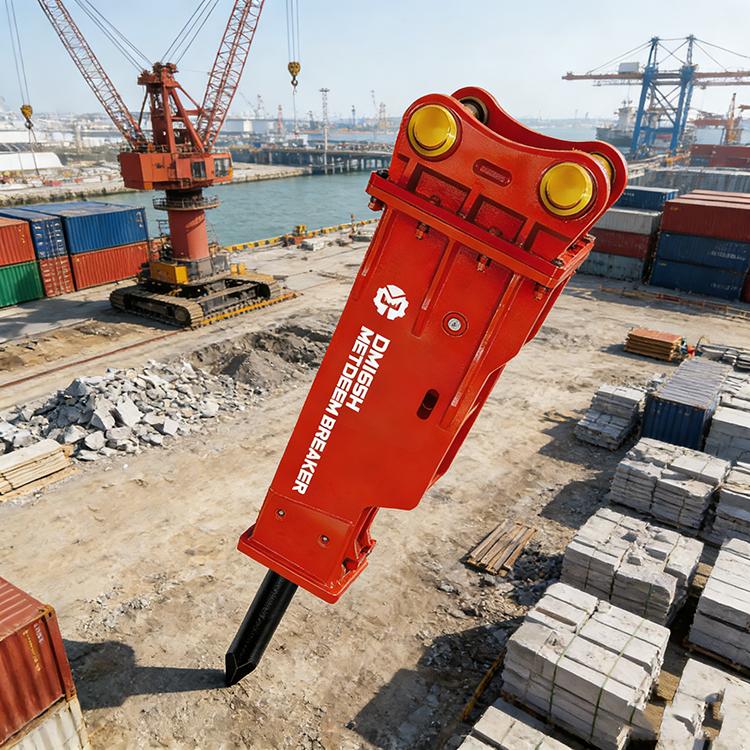
Trong các hệ thống phá thủy lực, buồng nitơ không chỉ đơn giản là giữ khí. Nó hoạt động như một phần quan trọng kiểm soát sức mạnh tấn công của bộ phá. Áp suất trong buồng này đóng một vai trò quan trọng trong việc các máy phá thủy lực hoạt động tốt như thế nào. Đặc biệt, METDEEM Máy phá thủy lực được sử dụng rộng rãi trong công việc khai thác mỏ, xây dựng và phá hủy đường bộ. Giữ áp suất nitơ phù hợp giúp cung cấp sức mạnh đánh ổn định. Nó cũng cắt giảm mài mòn bên trong máy và tăng cường hiệu quả của nó. Khi bạn có được áp lực đúng đắn, lực phá vỡ trở nên mạnh mẽ hơn và công việc diễn ra trơn tru hơn. Điều này làm cho nó trở thành một phần quan trọng của việc chăm sóc thiết bị hàng ngày. Bài viết này xem cách áp suất nitơ định hình công việc của máy phá thủy lực METDEEM trong các nhiệm vụ khác nhau.
Hiểu thủy lực BReaker Cơ khí
Chức năng của Phòng Nitơ
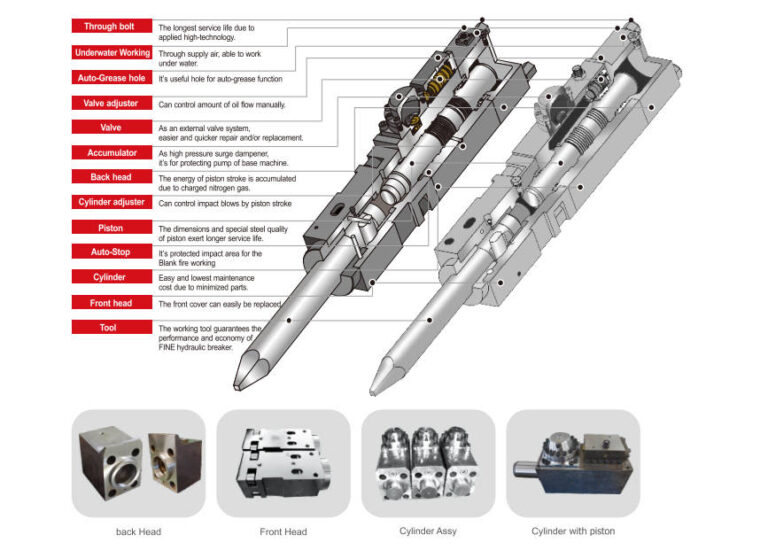
Phòng nitơ hoạt động như một hệ thống lưu trữ năng lượng và giảm áp lực, hỗ trợ trở lại piston và ổn định năng lượng tác động trong mỗi chu kỳ hoạt động.
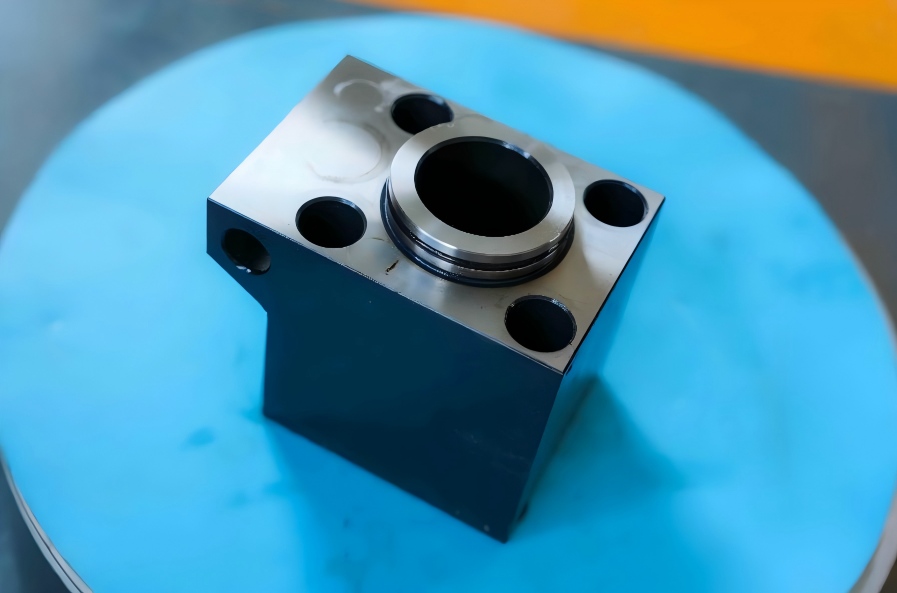
Phòng nitơ có hai công việc chính. Đầu tiên, nó giữ khí nitơ dưới áp suất. Thứ hai, nó hoạt động như một bộ đệm chống lại sự phục hồi. Nó giữ nitơ nén để hấp thụ đá trở lại và giúp piston di chuyển trở lại. Trong mỗi cuộc tấn công, khí nén và kéo dài để xử lý phản áp. Thiết lập này cho phép piston sẵn sàng nhanh chóng cho cú đánh tiếp theo. Bằng cách quản lý phản áp, nó kiểm soát năng lượng trong mỗi tác động. Kết quả là, nó trực tiếp giúp bộ phá vỡ chạy tốt nhất.
Áp suất nitơ và mối quan hệ lực phá vỡ
Áp lực ảnh hưởng đến năng lượng tác động như thế nào
Áp suất nitơ trong buồng thiết lập độ cứng của piston sau khi đột quỵ. Áp suất nitơ cao hơn cải thiện hiệu quả hồi phục piston, có thể gián tiếp ổn định năng lượng tác động và hỗ trợ tần số thổi định khi phù hợp với dòng chảy dầu thích hợp và thời gian van, hoạt động tuyệt vời cho các vật liệu khó khăn như đá granite hoặc bê tông với thép cứng. Nhưng đẩy áp lực quá cao mang lại rủi ro. Nó có thể làm cho các tác động quá thô hoặc gây ra sự không ổn định của pít-tôn hoặc sự không sắp xếp bên, dẫn đến phân phối năng lượng tác động không đồng đều và mòn thành phần tăng tốc, gây ra chạy không đồng đều và có thể gây hại cho các bộ phận bên trong.
Tác động của áp suất thấp đối với hiệu suất
Đồng thời, quá ít nitơ có thể giữ lại đầu ra của bộ phá. Khi các mức giảm xuống thấp, sức mạnh tấn công suy yếu, và các cú đánh đến ít thường xuyên hơn. Piston có thể kéo trên đường trở lại, làm cho mỗi cú tấn công mềm mại hơn và kéo dài thời gian giữa chúng. Cuối cùng, điều này làm chậm việc nó phá vỡ đá và tăng tốc thiệt hại cho con dấu bên trong và máy móc.
Vấn đề bất cân bằng áp suất phổ biến
Hậu quả của áp suất quá mức
Nếu mức nitơ vượt quá những gì các thông số kỹ thuật yêu cầu, sự phục hồi piston không kiểm soát và tốc độ phục hồi quá mức, tăng tốc mệt mỏi thành phần bên trong. Nó mòn các thành phần nhanh hơn và cắt giảm độ chính xác của các cuộc tấn công. Điều đó quan trọng rất nhiều trong các công việc như phá hủy cẩn thận hoặc đào hầm.
Hậu quả của áp suất không đủ
Khi áp suất giảm quá thấp, bộ phá mất phản ứng nhanh chóng của nó. Piston trở lại chậm rãi, và các cú đánh thiếu sức mạnh. Công nhân phát hiện chu kỳ dài hơn, sử dụng nhiên liệu nhiều hơn và sản lượng tổng thể ít hơn. Điều này tác động mạnh mẽ ở các điểm khó khăn như các địa điểm khai thác mỏ hoặc các dự án xây dựng lớn.
Tối ưu hóa áp suất cho các ứng dụng khác nhau
Các trang web công việc khác nhau yêu cầu mức áp suất nitơ cụ thể. Đối với đá cứng, bạn cần áp suất bắt đầu cao hơn để phá vỡ hiệu quả. Tuy nhiên, mặt đất mềm hơn đòi hỏi một cảm ứng nhẹ hơn để tiết kiệm căng thẳng thêm trên các bộ phận. Bằng cách phù hợp với áp suất theo cách này, bạn kéo dài tuổi thọ của máy và nhận được kết quả tốt nhất.
Hướng dẫn điều chỉnh dựa trên ứng dụng
Đối với khai thác mỏ Breakers (Hard Rock)
Trong các khu vực khai thác có đá dày đặc, máy phá thủy lực hoạt động tốt ở phạm vi áp suất trên 28-32KG / cm³ (khoảng 2,8-3,2 MPa), theo hướng dẫn METDEEM. Các mô hình này sử dụng xi lanh 20CrMo rèn cứng và xử lý 42Cr. Các bộ phận như vậy đứng trước các lực mạnh bên trong trong khi sử dụng nặng nề. Ví dụ, trên một trang mỏ phá vỡ bazalt, các nhà vận hành thường đặt áp suất gần 30KG / cm³ (khoảng 3 MPa) để duy trì tiến bộ ổn định mà không làm nóng quá hệ thống.
Đối với việc phá hủy xây dựng (đá trung bình)
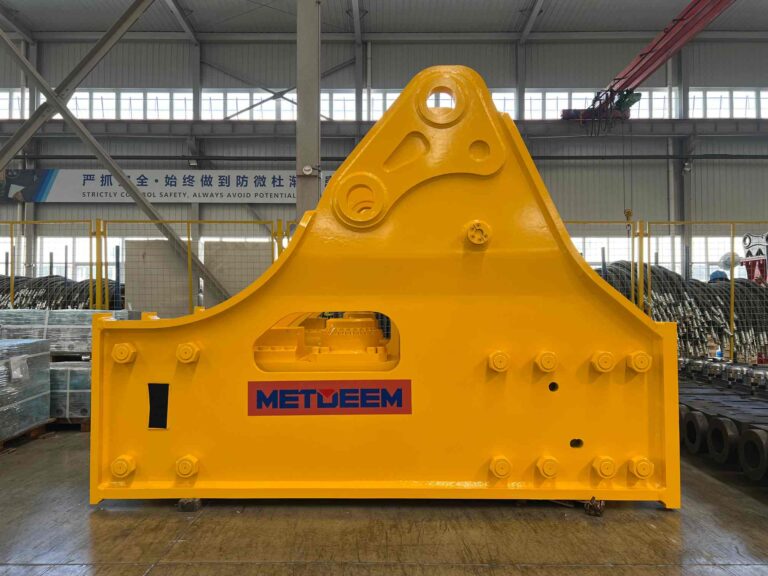
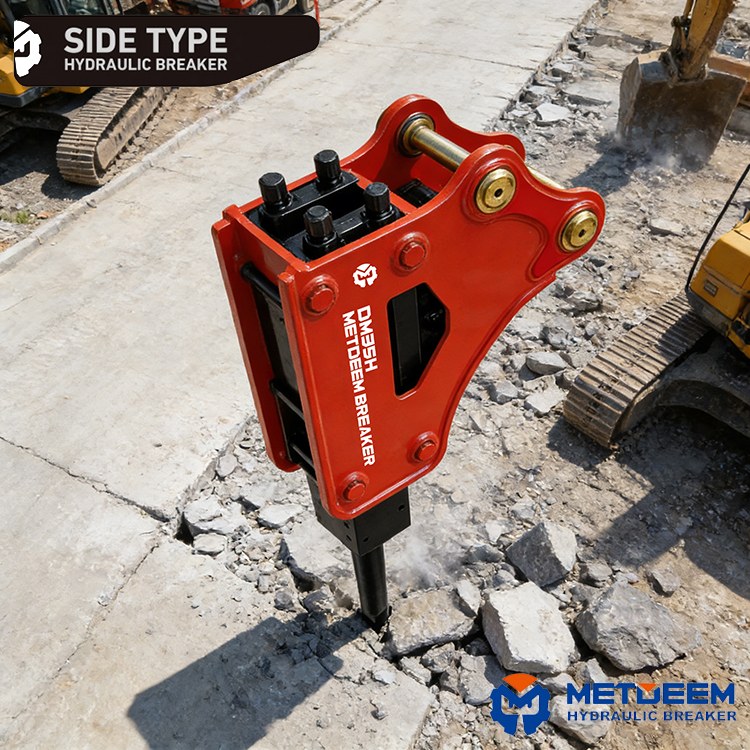
Các đơn vị như Loại bên phá thủy lực DM35, phổ biến cho xây dựng tear-downs, chạy trơn tru ở áp suất trung bình 16-18KG / cm³ (khoảng 1,6-1,8 MPa). Sự cân bằng này giữ cho các cuộc tấn công đều đặn và tránh quá tải piston hoặc van. Trong một công việc demo đô thị điển hình trên các tấm bê tông cũ, thiết lập này giúp các phi hành đoàn hoàn thành các phần nhanh hơn trong khi giữ cho máy xúc ổn định.
Đối với Trenching hoặc Asphalt (Soft Rock)
Đối với các nhiệm vụ như đào hầm hoặc sửa đường, nơi vật liệu dễ dàng hơn, các mô hình như DM35 hoạt động hiệu quả ở phạm vi áp suất nitơ thấp hơn khoảng 12KG / cm³ (khoảng 1,2MPa). Cách tiếp cận này giữ cho máy móc sắc nét lâu hơn và giảm sự chấn động của cánh tay máy xúc.
Thực hành kỹ thuật tốt nhất để sạc nitơ
Kỹ thuật sạc chính xác cho bộ phá METDEEM
Để giữ cho tất cả các mô hình METDEEM hoạt động ở đỉnh cao, công ty đề xuất các bộ sạc đặc biệt được làm cho thiết bị của họ. Luôn kiểm tra nhiệt độ xung quanh trước khi hoàn thành sạc. Nhiệt có thể thay đổi cách khí mở rộng, vì vậy nó ảnh hưởng đến áp suất bạn đọc. Trong các thử nghiệm thực địa, các kỹ thuật viên lưu ý rằng sự gia tăng 10 ° C có thể đụng độ đọc bằng 1-2KG / cm³ (khoảng 1-2 MPa), vì vậy các điều chỉnh ngăn chặn quá hoặc quá sạc.
Thói quen bảo trì để duy trì áp suất tối ưu
Kiểm tra thường xuyên tạo thành xương sống của chăm sóc tốt. Nhìn kỹ các con dấu trong buồng nitơ cho bất kỳ giọt nước hoặc dấu hiệu mòn, đặc biệt là sau khi chạy dài hoặc thay đổi thời tiết. METDEEM khuyên bạn nên sạc lại mỗi 100-150 giờ. Hãy làm điều đó trước khi giải quyết một loại vật liệu mới, dựa trên việc bạn đẩy máy mạnh như thế nào.
Tích hợp với các thông số hiệu suất khác
Đồng bộ hóa với dòng chảy dầu và thời gian piston
Áp suất nitơ phù hợp cần phù hợp với dòng chảy dầu thủy lực và thời gian của van. Khi mọi thứ sắp xếp, dầu di chuyển trơn tru với piston, truyền năng lượng mà không có bong bóng hoặc sự chậm trễ.
Tác động đến tuổi thọ dài của bộ phá xi lanh
Nồng độ nitơ ổn định giữ cho căng thẳng đột ngột xa khỏi thiết lập xi lanh. Với áp suất thậm chí, các bộ phận bên trong đối mặt ít căng thẳng hơn, kéo dài bao lâu chúng kéo dài. Điều này cắt giảm thời gian mất để sửa chữa và giảm chi phí cho các bộ phận mới. Đối với các dự án lớn hoặc trang phục cho thuê, nó có nghĩa là ít dừng lại hơn và công việc ổn định hơn.
Kết luận: Vai trò trung tâm của tối ưu hóa nitơ trong hiệu suất
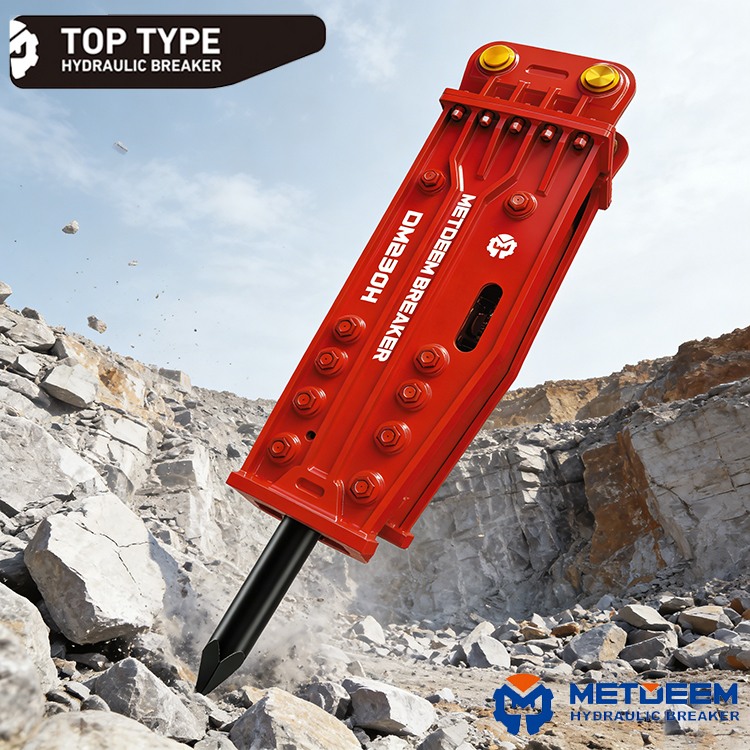
Giữ điểm áp suất buồng nitơ vượt quá bảo trì cơ bản. Nó là một cách quan trọng để điều chỉnh máy cho kết quả hàng đầu. Áp suất phù hợp trong buồng nitơ tạo thành cơ sở cho việc phá vỡ mạnh mẽ trong các máy phá thủy lực METDEEM. Từ kích thước tiện lợi như DM35 đến mỏ nặng như DM230 thủy lực Breaker Loại hàng đầu, thiết lập mức độ phù hợp với công việc mang lại sản lượng tốt hơn, ít căng thẳng hơn đối với cơ chế và chi phí vận hành nhỏ hơn. METDEEM xây dựng mỗi bộ phận - từ xi lanh màu chính xác đến pít-tôn được xử lý - để tỏa sáng dưới các thiết lập được điều chỉnh này. Với kỹ năng thiết kế mạnh mẽ và kiểm tra chất lượng ở mỗi bước, METDEEM tiếp tục đáp ứng và đánh bại những gì khách hàng cần.
Câu hỏi thường gặp
Q: Tôi nên kiểm tra áp suất nitơ trong thủy lực METDEEM của tôi bao lâu bộ phá?
A: It’ Khuyến nghị kiểm tra mỗi 100-150 giờ hoạt động hoặc trước khi bắt đầu làm việc trên một loại vật liệu mới.
Q: Điều gì sẽ xảy ra nếu tôi sử dụng áp suất nitơ quá cao?
A: Áp suất quá mức có thể gây ra tác động nghiêm trọng, giảm độ chính xác kiểm soát và làm hỏng các thành phần bên trong như piston hoặc con dấu.
Q: Tôi có thể sử dụng cùng một thiết lập nitơ cho tất cả các loại đá không?
A: Không, các vật liệu khác nhau đòi hỏi áp suất khác nhau - điều chỉnh theo độ cứng đá để có hiệu suất tối ưu.
Q: Có an toàn để tự sạc lại buồng nitơ không?
A: Vâng, nếu bạn sử dụng bộ sạc hiệu chuẩn tương thích với bộ phá METDEEM và tuân thủ chính xác các giao thức an toàn.
Q: Nhiệt độ có ảnh hưởng đến hiệu suất buồng nitơ không?
A: Có, thay đổi nhiệt độ có thể thay đổi khối lượng khí; Luôn điều chỉnh mức sạc dựa trên điều kiện môi trường trong khi thiết lập.