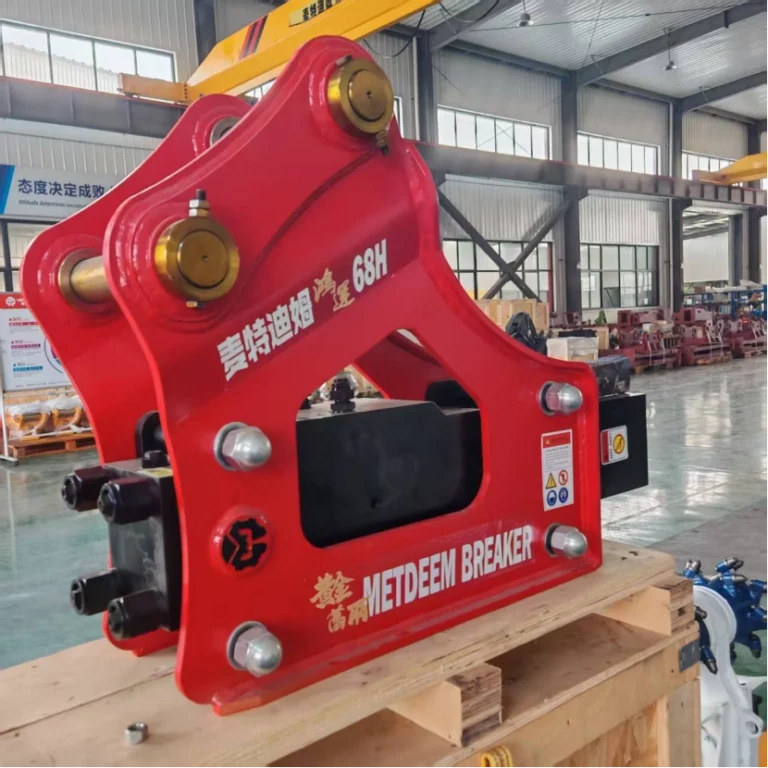
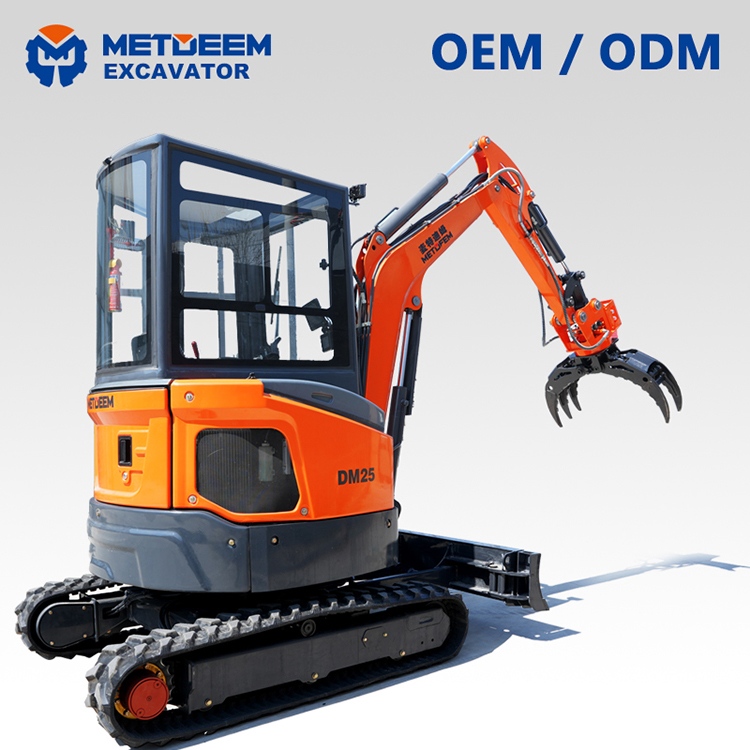
Die Auswahl des richtigen Baggers ist eine entscheidende Investition, die sich direkt auf die betriebliche Effizienz, die Projektproduktivität und die langfristigen Betriebskosten der Ausrüstung auswirkt. Bei städtischen Infrastrukturprojekten oder intensiven Steinbrucharbeiten kann ein unpassender Bagger den Kraftstoffverbrauch erhöhen, die Zykluseffizienz verringern und Projektzeitpläne verzögern. METDEEMAls professioneller Baggerhersteller wissen wir, dass jedes Projekt unterschiedliche Anforderungen an die Maschine stellt. Unser Sortiment umfasst den kompakten DM25 und den robusten DM360LC. Beide Modelle sind auf hohe Leistung bei gleichzeitig niedrigen Betriebskosten ausgelegt. Dieser Leitfaden beleuchtet die wichtigsten technischen Aspekte und Baustellenbedingungen, die Bauunternehmer für optimale Ergebnisse und eine gleichbleibende Produktivität berücksichtigen sollten.
Die spezifischen Arbeitsbedingungen Ihres Projekts verstehen
Städtische Infrastruktur und Engpassoperationen
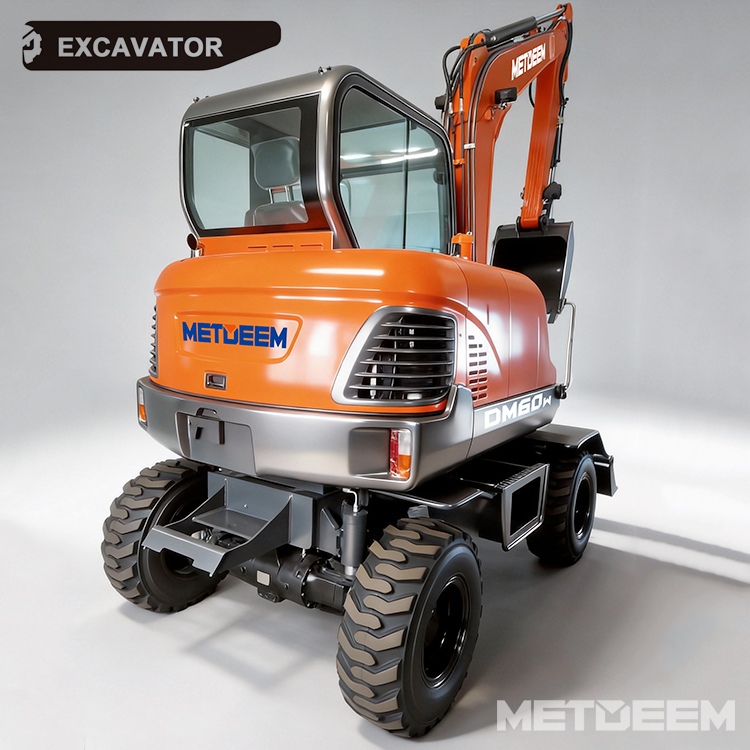
Bei städtischen Arbeiten ist der Platz oft begrenzt. Ob Straßenbegrünung, Hofgestaltung oder Abrissarbeiten in Gebäuden – große Maschinen können den Zugang versperren und den Fortschritt verlangsamen. Der DM60LC, ein 6-Tonnen-Raupenbagger, eignet sich ideal für diese beengten Bereiche. Dank seiner kompakten Größe kann der Bediener Hindernisse ohne zusätzliche Rüstzeiten umfahren. Wenn häufige Fahrten zwischen verschiedenen Baustellen erforderlich sind, … DM60W Der Radbagger ermöglicht ein schnelles Umsetzen auf befestigten Straßen und bietet gleichzeitig genügend Leistung für kommunale Aufgaben.
Hohe Anforderungen an Steinbrüche und Schwerbergbau
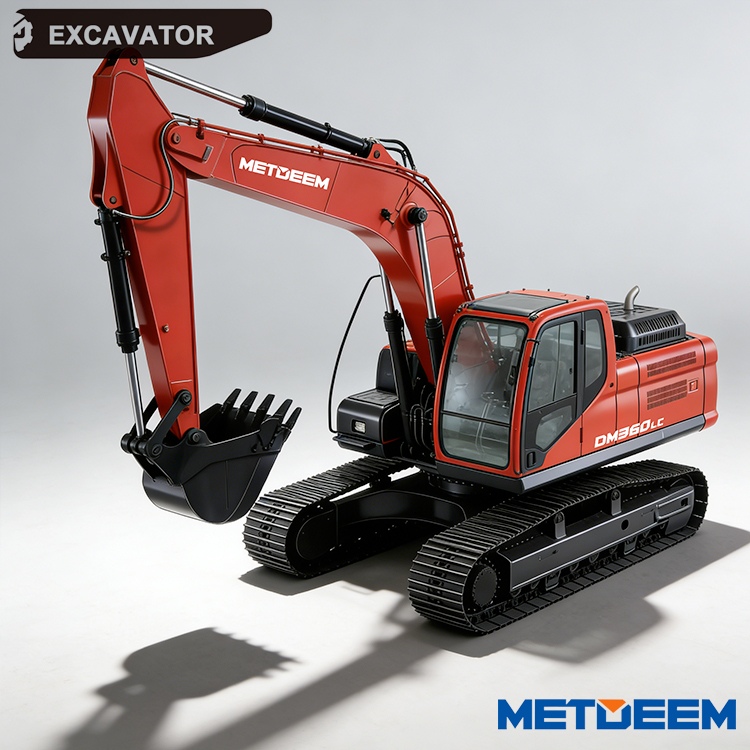
In Steinbrüchen und Bergwerken werden Maschinen täglich auf die Probe gestellt. Ständige Vibrationen und hohe Gesteinslasten können die Bauteile schnell verschleißen lassen. DM360LC Der Bergbaubagger ist speziell für diese Bedingungen konzipiert. Seine größere Schaufel und der verstärkte Rahmen ermöglichen schwere Erdbewegungen und das Verladen von Gestein ohne häufige Stillstände. In Kombination mit dem Hydraulikhammer DM45 kann dieselbe Maschine vor dem Verladen auch die sekundäre Gesteinszerkleinerung und die Zerkleinerung von Überkornmaterial durchführen. Diese Kombination sorgt für einen reibungslosen Lkw-Verkehr und reduziert den Bedarf an separater Ausrüstung vor Ort.
Bedarf an Rodungs- und Grabenarbeiten auf landwirtschaftlichen Flächen
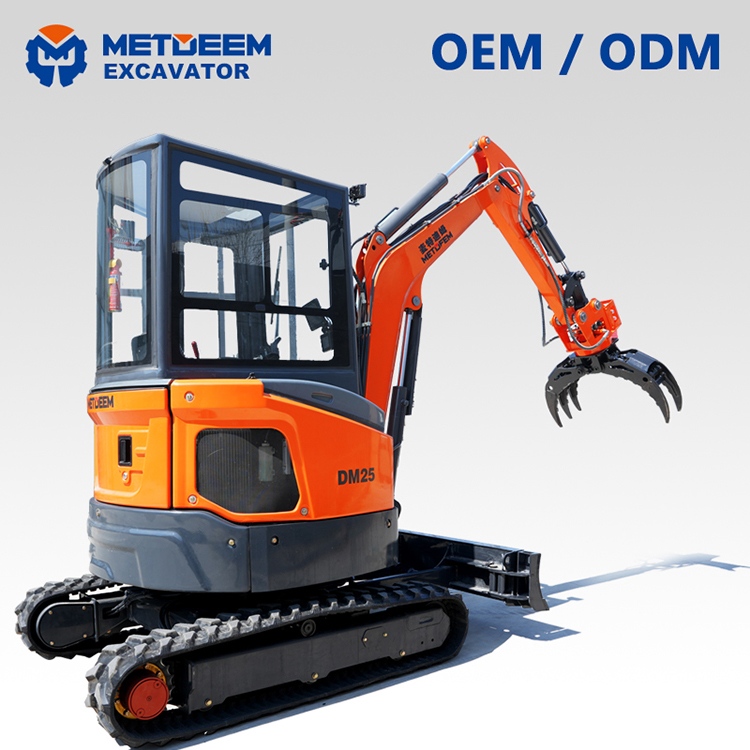
Landwirtschaftliche Projekte finden oft auf weicherem Boden und mit leichteren Lasten statt. DM25 Der Minibagger mit seinem Betriebsgewicht von 1980 kg und seinem 11,5-kW-Motor eignet sich hervorragend für Bewässerungsgräben oder die Rodung von Gestrüpp. Sein geringer Bodendruck schont die Bodenstruktur. Zur Steintrennung oder Schlammentfernung kann die Skelettschaufel DM06 an der Maschine montiert werden. So wird aus einem Gerät ohne zusätzliche Transportkosten ein Siebgerät.
Kritische technische Parameter für eine fundierte Auswahl
Ausbalancieren von Betriebsgewicht und Grabkraft
Das Betriebsgewicht beeinflusst sowohl die Stabilität als auch die Ausbrechkraft. Ein zu kleiner Bagger kann bei Arbeiten in hartem Gestein oder unter hoher Belastung eine geringere Stabilität, niedrigere Ausbrechkraft und eine höhere Belastung des Hydrauliksystems aufweisen. Ein zu schweres Gerät verbraucht unnötig Kraftstoff für kleinere Projekte. Unsere Produktpalette bietet Ihnen klare Auswahlmöglichkeiten. Der DM25 eignet sich ideal für Versorgungsarbeiten. Der DM230LC, ein 23-Tonnen-Raupenbagger, ist eine zuverlässige Option für allgemeine Erdbewegungsarbeiten, bei denen Reichweite und Schaufelkraft im Gleichgewicht sein müssen.
Optimierung der Schaufelkapazität und Zykluszeit
Die Zykluszeit misst die Zeit, die für Graben, Schwenken, Entladen und Rückfahrt benötigt wird. Eine zu kleine Schaufel erfordert mehrere Überfahrten, um jeden LKW zu befüllen. Eine zu große Schaufel kann die Stabilität beeinträchtigen. Der DM360LC verwendet eine Schaufelform, die auf die jeweiligen Fördermengen abgestimmt ist. Er transportiert eine volle Ladung bei gleichbleibender Schwenkgeschwindigkeit, wodurch die Wartezeiten der Muldenkipper verkürzt werden.
Maximierung der Kraftstoffeffizienz und Senkung der Kosten
Auswirkungen einer falschen Auswahl auf den Kraftstoffverbrauch
Wer nur nach dem Preis kauft, zahlt später oft mehr für Kraftstoff. Eine unterdimensionierte Maschine, die den ganzen Tag unter Volllast läuft, verbraucht mehr Kraftstoff als eine optimal dimensionierte Maschine im Teillastbetrieb. Der DM260LC nutzt eine elektronische Kraftstoffeinspritzung, um die Kraftstoffzufuhr lastabhängig anzupassen. So bleibt das Drehmoment hoch, während der Kraftstoffverbrauch bei großen Infrastrukturprojekten pro Stunde sinkt.
Verbesserung der Unterbodenbeständigkeit in anspruchsvollem Gelände
Steinbruchböden und Grubenwege enthalten scharfkantiges Gestein. Kettenrahmen und Laufrollen sind daher besonders beansprucht. METDEEM-Maschinen verwenden verstärkte Kettenglieder und robuste Laufrollen. Diese Bauteile sind rissbeständig und verlängern die Lebensdauer des Fahrwerks, wodurch ungeplante Ausfallzeiten in Produktionsspitzenzeiten reduziert werden.
Die Vielseitigkeit der METDEEM-Baggeranbaugeräte
Erreichen von Mehrzwecknutzen mit Quick Systems
Eine Maschine kann dank schnell wechselnder Anbaugeräte mehrere Aufgaben gleichzeitig bewältigen. Mit dem Schnellwechsler DM-04 kann der Bediener in weniger als einer Minute von der Schaufel zum Abbruchhammer wechseln. Ein DM230LC kann innerhalb derselben Schicht vom Grabenbau zum Abbruch der Sekundärfläche eingesetzt werden, wodurch die tägliche Auslastung ohne zusätzlichen Transportaufwand erhöht wird.
Spezialschaufeln für diverse Materialhandhabung
Standardlöffel eignen sich nicht für jedes Material. Der Greiferlöffel ist ideal für Flussbaggerarbeiten und Hafenumschlag, da er Materialverluste minimiert. Der Skelettlöffel DM06 trennt Gestein vom Erdreich beim Aushub, sodass das aufbereitete Material direkt auf Lkw verladen werden kann.
Warum strategische Auswahl den Projekterfolg fördert
Verbesserung der Schwenkgeschwindigkeit und der Produktivität auf der Baustelle
Die hohe Schwenkgeschwindigkeit verkürzt jeden Ladezyklus. Der DM60LC bietet ein schnelles Schwenkverhalten auch auf engstem Raum. Dadurch reduzieren sich die Wartezeiten der Stapler an der Ladestelle und die Produktivität steigt messbar über eine ganze Schicht.
Stärkung der Wettbewerbsfähigkeit bei Ausschreibungen mit METDEEM
Niedrigere Stundensätze helfen, Aufträge zu gewinnen. Ein optimal abgestimmter Raupenbagger mit passenden Anbaugeräten reduziert Kraftstoff- und Reparaturkosten. Bauunternehmer können so günstigere Angebote abgeben und gleichzeitig ihre Gewinnmargen bei langfristigen Projekten sichern.
Schlussfolgerung
Die richtige Abstimmung des Baggers auf die Baustellenbedingungen ist der erste Schritt zu konstanter Produktivität und kontrollierten Kosten. Werden Gewichtsklasse oder Hydraulikleistung vernachlässigt, kann dies zu langsamen Arbeitszyklen und höherem Wartungsaufwand führen. METDEEM bietet Maschinen, die Langlebigkeit mit flexiblen Anbaumöglichkeiten vereinen. Dank niedrigem Kraftstoffverbrauch und pünktlicher Ersatzteillieferungen ist der Maschinenpark stets einsatzbereit.
Besuchen Sie die offizielle METDEEM-Website, um sich die gesamte Baggerpalette anzusehen und das Modell auszuwählen, das zu Ihrem nächsten Projekt passt.
FAQ (häufig gestellte Fragen)
F: Welche Baggergröße benötige ich für allgemeine Bauarbeiten?
A: Ein mittelgroßes Gerät wie der DM230LC oder DM260LC bietet in der Regel die richtige Mischung aus Leistung, Kraftstoffverbrauch und Mobilität für die Vorbereitung von Baustellen und Infrastrukturarbeiten im urbanen Raum.
F: Wie wähle ich einen Bagger für den Bergbau aus?
A: Im Bergbau sind hohe Grabkräfte und ein robustes Fahrwerk unerlässlich. Der Raupenbagger DM360LC erfüllt diese Anforderungen mit seiner großen Schaufel und dem verstärkten Fahrwerk, das für den kontinuierlichen Gesteinstransport ausgelegt ist.
F: Kann ein Bagger sowohl graben als auch abreißen?
A: Ja. Mit dem Hydraulikhammer DM45 und einem Schnellwechsler kann eine einzelne Maschine innerhalb von Minuten zwischen Aushub- und Gesteinsbrecharbeiten umgeschaltet werden, wodurch die tägliche Auslastung auf gemischten Baustellen erhöht wird.