In today’s competitive construction and mining landscape, fuel efficiency is more than just an operational benefit—it directly impacts the bottom line. For contractors working on large infrastructure projects or tackling heavy-duty excavation tasks, every liter of diesel saved is a step toward improving project profitability.
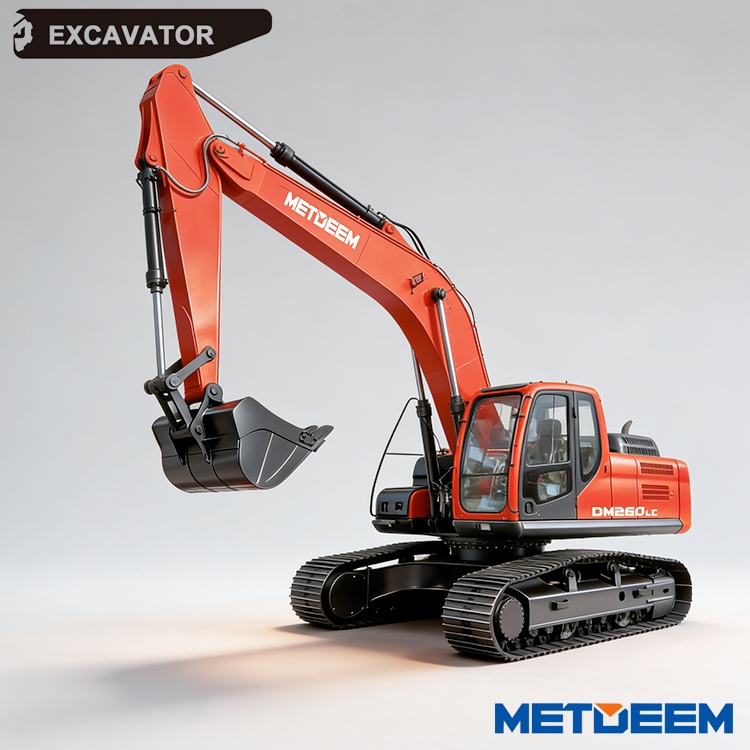
As a top maker of construction gear and precise parts, we have spent many years on engineering studies to tackle the problem of high fuel use in heavy machines. Enter the METDEEM DM260LC Excavator, equipped with cutting-edge Cummins QSB7 electronic fuel injection (EFI) technology. This advanced system not only boosts performance but also significantly reduces fuel consumption, making it a game-changer for businesses looking to enhance efficiency while cutting down on fuel costs.
Understanding Electronic Fuel Injection Technology
The Core Principles of EFI
Electronic Fuel Injection (EFI) shifts from mechanical estimates to exact digital control. Unlike past mechanical governors that respond slowly to load shifts, an EFI setup relies on an Electronic Control Unit (ECU). This unit gathers data from sensors, such as engine speed, air intake temperature, and manifold pressure, right away. It then figures out the precise fuel amount for each combustion cycle.
Selecting the Cummins QSB7 System
For the DM260LC Excavator, we picked the Cummins QSB7 engine for its strong build and advanced electronic features. This engine is adjusted to fit the hydraulic setup of our 26-ton frame.
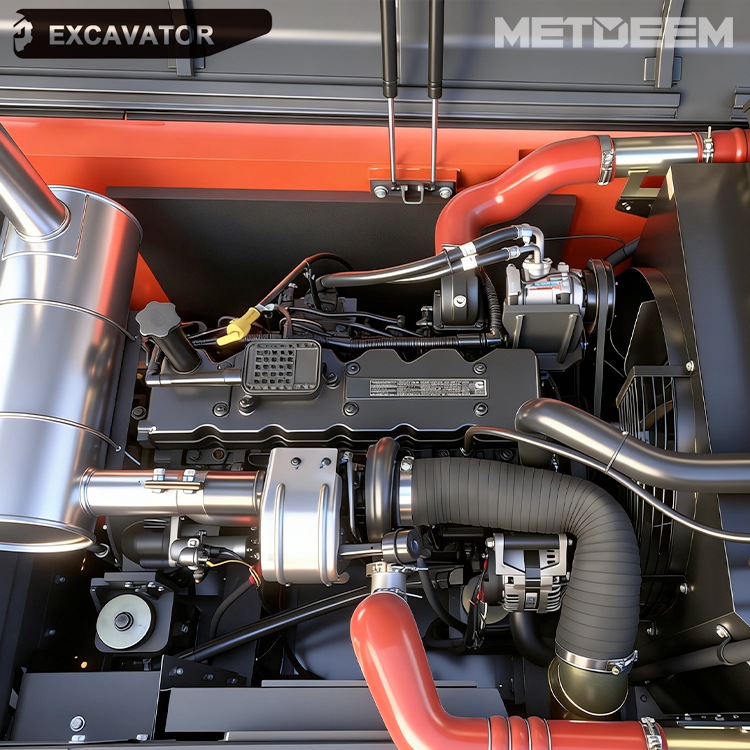
DM260LC Excavator Precision Fuel Delivery
High-Pressure Common Rail Systems
The core of the DM260LC Excavator’s fuel savings lies in its High-Pressure Common Rail (HPCR) system. In contrast, traditional engines operate at lower pressures. This leads to bigger fuel droplets that fail to burn fully. Our HPCR setup breaks the fuel into a fine spray under very high pressures. Thus, it allows the fuel to burn more completely and faster, pulling the most energy from every drop.
Digital Mapping of Injection
The ECU in the DM260LC Excavator applies detailed digital maps. It manages not only the fuel volume but also the timing and count of injection pulses. For instance, it employs “pilot injection,” which is a brief initial fuel shot. This steadies the combustion area before the main power phase. As a result, it cuts engine noise and shakes, while delivering steady and even power. Such control is key for tasks like careful grading or lifting heavy loads.
Dynamic Power Control via Load Adaptation
Real-Time Digging Resistance Adjustment
A standout trait of the DM260LC Excavator is its sense of the terrain. When the bucket strikes a solid rock bed or thick clay deposit, hydraulic sensors alert the ECU at once. Then, the Cummins QSB7 engine tweaks its torque output to supply the right breakout force. On the other hand, during swings or dumps—jobs that need less power—the system cuts back on fuel supply automatically. This adaptive approach to loads means the engine avoids extra effort.
Balancing Hydraulic Flow and Output
True efficiency involves more than the engine alone. It requires smooth interaction between the engine and pumps. In the DM260LC Excavator, we align the engine’s power with the hydraulic flow needs. This stops the hydraulic side from limiting the engine, which often wastes fuel in mismatched setups.
Reducing Waste with Smart Idle Optimization
Automatic Speed Reduction During Breaks
The DM260LC Excavator includes a clever auto-idle function. If the operator leaves the joysticks untouched for a certain time, the ECU lowers the engine RPM to a fuel-saving level. Once the operator engages a control, the engine quickly returns to full working speed. This proves handy in rock-loading sites, where brief waits occur between truck arrivals. For example, in a typical quarry shift, it can shave off noticeable fuel use during those pauses.
Impact on Long-Term Engine Life
By cutting high-RPM time in non-working periods, our auto-idle method saves fuel and more. It lessens wear inside the engine, stretches the Cummins QSB7’s service life, and widens the gaps between big repairs.
Performance Analysis in Stone Loading
Efficiency in Heavy-Duty Tasks
For rock loading and large infrastructure builds, the DM260LC Excavator performs well. We have run thorough tests in quarry settings. There, it lifts heavy stones repeatedly and fills large dump trucks. The EFI setup keeps cycle times quick, which drives high output. When compared to older mechanical types, the DM260LC Excavator moves more tons per liter of fuel.
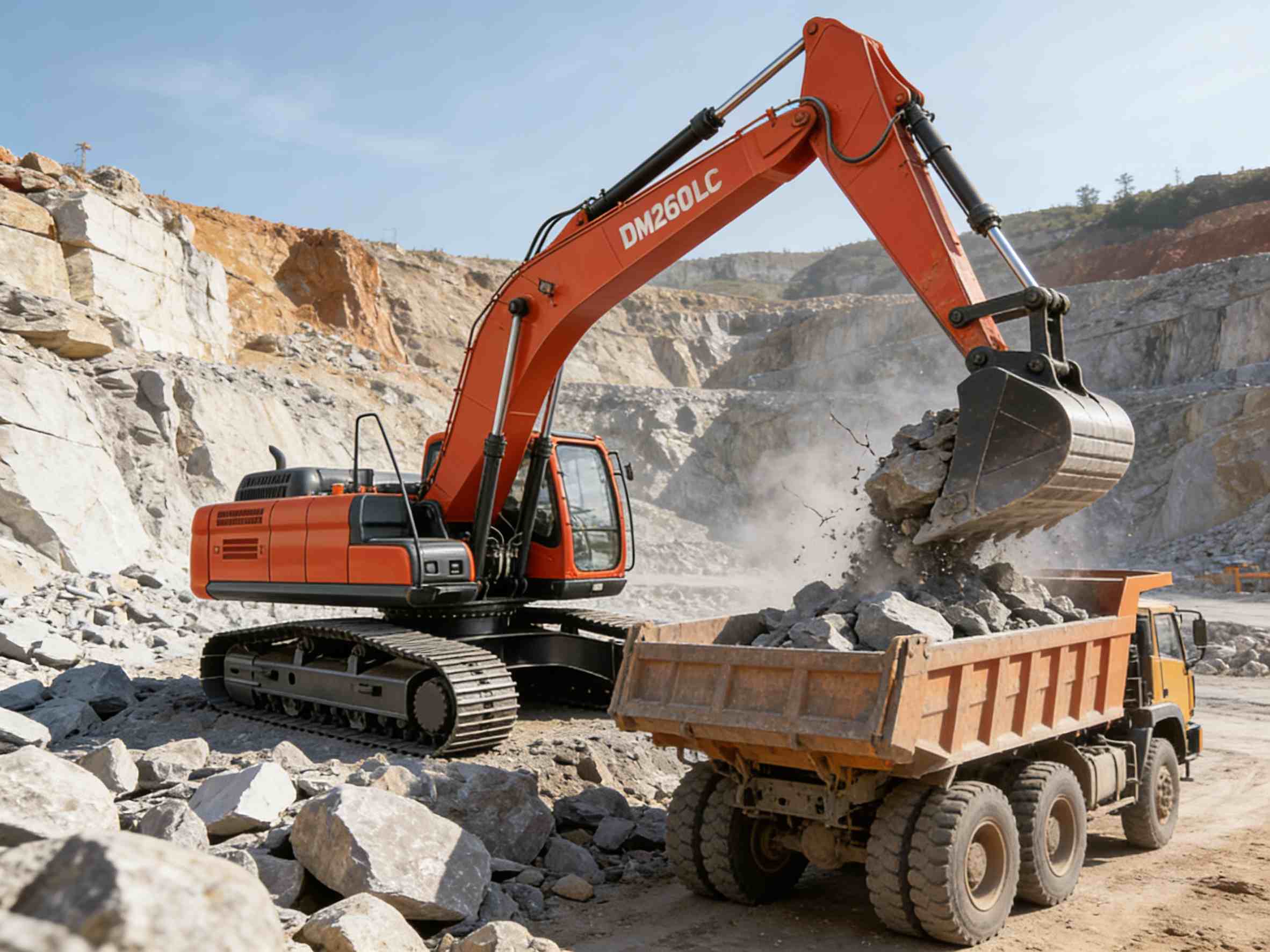
Standard Operating Fuel Data
In normal conditions, the DM260LC Excavator shows fuel savings of about 10-15% over traditional mechanical fuel system excavators in the same weight class. This gain holds without losing power. The 26-ton unit keeps the strong grip and digging strength typical of a METDEEM build.
Maximizing ROI with METDEEM
Lowering Total Cost of Ownership
As a skilled producer serving clients in more than 100 nations, we understand that the starting price is just part of the story. The DM260LC Excavator works to reduce the Total Cost of Ownership (TCO) by mixing long-lasting build with low daily expenses. Our strict checks, from assembly to shipping, make sure each unit from our plant stands ready for site challenges.
Comparison Against Traditional Models
Builders who move from outdated, fuel-heavy machines to the METDEEM DM260LC Excavator give similar reports. They notice quick drops in their fuel records each day. Plus, the simple upkeep from our worldwide parts network and the steady Cummins QSB7 engine lead to fewer stops and more paid work time.
Conclusion
From its high-pressure common rail fuel system that maximizes fuel combustion, to the smart load adaptation and auto-idle functions that minimize fuel wastage, every feature of the DM260LC is designed to reduce operating costs and enhance productivity. Whether you’re working in a challenging rock quarry or undertaking a large-scale infrastructure project, the DM260LC is engineered to provide superior power without compromising on fuel economy.
Contactez METDEEM aujourd'hui to get a professional quote and learn more about how our DM260LC Excavator can optimize your job site efficiency.
FAQ (questions fréquentes)
Q: How does electronic fuel injection improve excavator fuel economy?
A: Electronic fuel injection (EFI) uses an Electronic Control Unit (ECU) and sensors to deliver fuel with digital precision. This eliminates the mechanical lag and over-fueling common in older systems, ensuring that fuel is only consumed in the exact amount needed for the current load.
Q: What is the fuel consumption of the DM260LC Excavator?
A: While fuel consumption depends on the specific job site and operator, the DM260LC Excavator is designed to be 10-15% more fuel-efficient than traditional mechanical excavators in its class, particularly during high-intensity stone loading and infrastructure tasks.
Q: Does the Cummins QSB7 engine require special fuel?
A: The Cummins QSB7 engine in the DM260LC Excavator requires high-quality, clean diesel fuel and high-grade filtration to protect the sensitive high-pressure common rail injectors and ensure long-term efficiency.
Q: Can I use different attachments with the DM260LC Excavator?
A: Yes, the DM260LC Excavator is highly versatile. It can be equipped with various METDEEM attachments, such as the DM155 Hydraulic Breaker for rock breaking or the DM08 Skeleton Bucket for stone separation, and the EFI system will automatically adjust engine output to match the attachment’s power requirements.