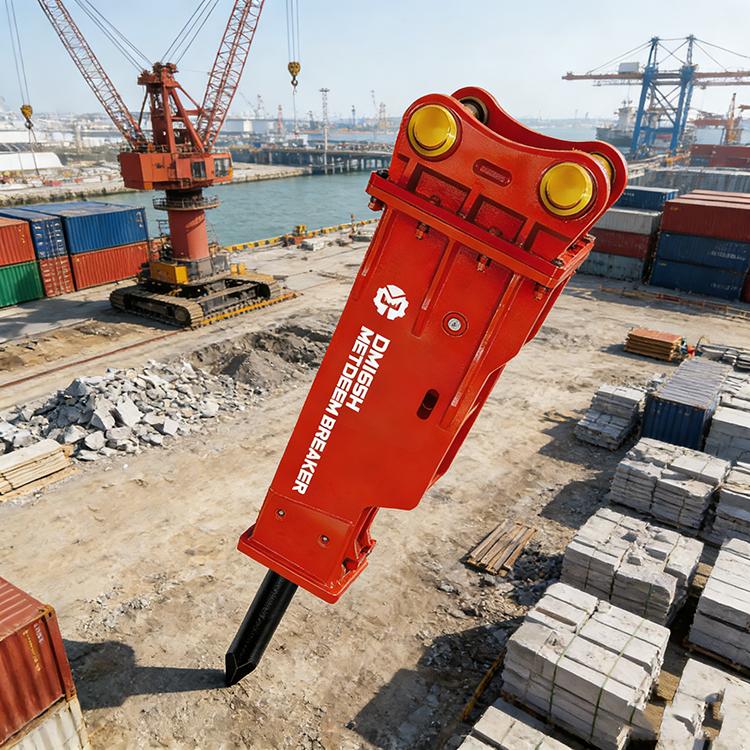
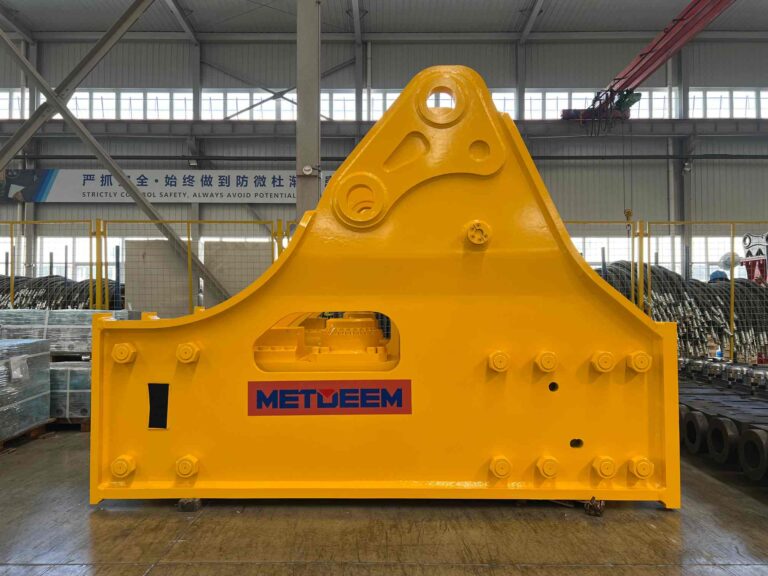
Un disjoncteur hydraulique est un accessoire lourd qui s'adapte au bras d'une pelleuse. Les gens l'appellent aussi un marteau ou un briseur de pierre. Vous les voyez partout dans de grands travaux: démolir de vieilles routes, abattre des bâtiments en béton, scinder des rochers géants dans des carrières ou ouvrir des pentes de montagnes pour de nouveaux tunnels. Le disjoncteur hydraulique convertit la pression hydraulique de l'excavatrice en percussions à haute fréquence, permettant une démolition efficace du béton armé et de la roche dure, en fonction de la dureté du matériau et des spécifications du disjoncteur hydraulique.
Pourquoi comprendre ses pièces est important
Savoir ce qui se trouve à l’intérieur du disjoncteur hydraulique vous permet d’économiser de l’argent réel et des maux de tête. Lorsque les opérateurs comprennent chaque pièce, ils repèrent de petits problèmes avant qu'ils ne deviennent de grandes pannes. Les opérateurs qui savent quand recharger l'accumulateur avec de l'azote et inspecter les étanchéités peuvent réduire considérablement les temps d'arrêt non planifiés. À METDEEMnous construisons chaque disjoncteur hydraulique afin que les pièces soient fortes, faciles à atteindre et simples à réparer quand le temps vient.
Aperçu des composants de base
Le rôle du piston
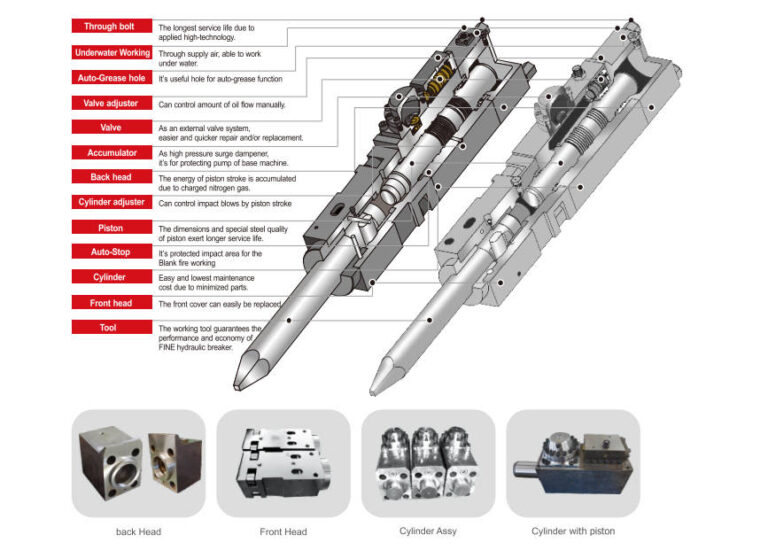
Le piston est la principale pièce mobile à l'intérieur de chaque disjoncteur hydraulique. Il ressemble à une barre d'acier épaisse. La pression hydraulique entraîne le piston vers le bas, appliquant une force de percussion au ciseau. Les interrupteurs hydrauliques typiques de taille moyenne fournissent plus de 3000 joules d'énergie d'impact par coup. C’est le vrai pouvoir qui brise le rocher. Dans notre boîte hydraulique DM135, le piston est fabriqué en acier trempé spécial et poli de manière si douce qu'il ne marque rarement les parois du cylindre, même après 3000 heures de travail.
Comprendre le cylindre
Le cylindre est le long tube en acier qui maintient le piston. Il doit être parfaitement droit et lisse à l'intérieur. L'huile entre et sort à travers de petits ports pour déplacer le piston rapidement et dur. Même des rayures mineures dans le cylindre peuvent entraîner des fuites d’huile au-delà des joints, réduisant l’efficacité d’impact du disjoncteur hydraulique. Nous usinons des cylindres METDEEM sur des équipements CNC avec des tolérances inférieures à 0,02 mm. DM35 Type supérieur d'interrupteur hydraulique peut encore frapper à pleine force après deux ans de travail quotidien de carrière.
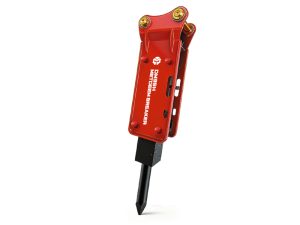
Ce que fait la tête avant
La tête avant est la section inférieure où le ciseau ressort. Il guide le ciseau pour s'assurer que chaque impact est aligné avec précision, optimisant le transfert d'énergie au matériau. Il prend également la plus grande partie du kick-back lorsque le ciseau frappe le rocher. Les bonnes têtes avant ont des bagues d'usure remplaçables épaisses. Lors d'un travail de démolition à Shanghai l'an dernier, un entrepreneur n'a changé que la boîte inférieure de sa tête avant METDEEM après 1800 heures et a continué à travailler sans toucher le corps principal.
Le but de l'accumulateur
L'accumulateur se trouve au-dessus ou sur le côté du disjoncteur hydraulique. Il s'agit d'un accumulateur hydraulique chargé de gaz logé en acier, qui absorbe les pics de pression et fournit de l'énergie supplémentaire pour la prochaine course du piston. Lorsque le piston monte rapidement, la pression d'huile supplémentaire n'a nulle part où aller. L'accumulateur absorbe ce pic, donc rien à l'intérieur du disjoncteur hydraulique n'est endommagé. Il donne également une poussée supplémentaire sur le coup suivant. Sans un accumulateur sain, vous ressentez le choc de la machine, et les coups deviennent inégaux. METDEEM charge chaque accumulateur d'azote à la bonne pression avant de quitter l'usine.
Comment ces pièces fonctionnent ensemble
Processus de conversion d'énergie
Voici l'étape par étape à l'intérieur du disjoncteur hydraulique: la pompe à excavatrice envoie de l'huile haute pression à travers les tuyaux. L'huile entre d'abord dans la vanne de commande. La vanne décide quand pousser le piston et quand le laisser tomber. Quand le piston tombe, il frappe le ciseau. Le ciseau entraîne cette énergie directement dans le béton ou la roche. L'ensemble du cycle fonctionne à une fréquence d'impact de 230 à 1200 coups par minute, selon le modèle d'interrupteur hydraulique.
Fonctionnement coordonné pour la performance
Tout doit fonctionner ensemble comme une horlogerie. L'accumulateur lisse la pression d'huile. Le cylindre maintient le piston en mouvement droit. La tête avant guide le ciseau afin qu'aucune énergie ne soit gaspillée. C'est pourquoi un DM140 Type latéral d'interrupteur hydraulique sur une pelle de 20 tonnes peut casser le béton armé de 40 cm d'épaisseur rapidement sans s'arrêter.
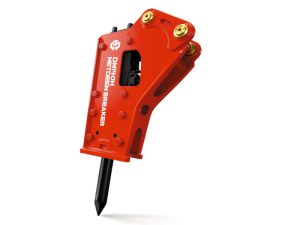
METDEEM’ s Engagement envers la qualité
Normes d'ingénierie de précision
Chaque disjoncteur hydraulique METDEEM suit les mêmes normes rigoureuses que les conceptions de la série Soosan. Nous comparons nos conceptions aux modèles de pointe du secteur et améliorons certains composants pour une meilleure durabilité. Par exemple, le DM68 Type de boîte d'interrupteur hydraulique utilise le même modèle de boulons et les mêmes exigences de débit d'huile que les modèles coréens populaires, de sorte qu'il tombe droit sur la plupart des pelles de 4,5-7 tonnes sans plaques d'adaptateur.
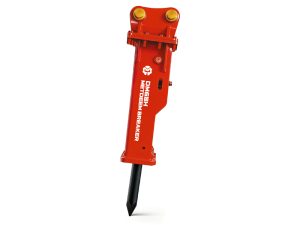
Sélection et essai des matériaux
Nous ne choisissons que des qualités d'acier éprouvées. Le piston et le cylindre proviennent d'usines qui fournissent également des vilebrequins automobiles - ces pièces doivent survivre à des millions de cycles. Chaque piston est testé à trois endroits. Nous avons fait des tests de chute des disjoncteurs hydrauliques finis à partir de 2 mètres sur le béton pour nous assurer que rien ne se fissure. C'est seulement alors que nous peinsons et expédions.
Concentrez-vous sur la longévité et la facilité d'entretien
Les temps d'arrêt coûtent plus que les pièces. C'est pourquoi chaque disjoncteur hydraulique METDEEM a des points de graisse que vous pouvez atteindre depuis le sol. Les boîtiers et les joints d'outillage sortent avec des outils manuels normaux. Un équipage formé peut remplacer les joints d'un DM175 Hydraulic Breaker Top Type en environ 45 minutes, minimisant ainsi les temps d'arrêt opérationnel.
Conclusion
Connaître le piston, le cylindre, la tête avant et l'accumulateur à l'intérieur de votre disjoncteur hydraulique est comme connaître le moteur de votre camion. Vous attrapez les petits problèmes tôt, vous choisissez la bonne taille pour le travail et vous obtenez beaucoup plus d'années de travail dur de l'outil. METDEEM construit chaque disjoncteur hydraulique avec des pièces qui s'ajustent parfaitement, résistent à une véritable punition sur le lieu de travail et restent faciles à entretenir. Si vous avez des questions ou avez besoin du bon modèle pour votre machine, appelez-nous au 86-15318660928 (le même numéro sur WhatsApp) ou envoyez un courriel à metdeem108@126.com. Nous répondons généralement le même jour.
FAQ (questions fréquentes)
Q: Qu'est-ce qu'un interrupteur hydraulique fait réellement?
R: Il transforme la pression d'huile de l'excavatrice en coups de marteau rapides et durs qui brisent la roche et le béton.
Q: À quelle fréquence dois-je entretenir mon interrupteur hydraulique?
R: Vérifiez les niveaux d'huile et graissez le ciseau tous les jours. Rechargez l'accumulateur et inspectez les joints toutes les 500 à 600 heures, ou plus tôt dans les carrières poussiéreuses.
Q: Puis-je utiliser des pièces de n'importe quelle marque avec un disjoncteur hydraulique METDEEM?
R: Vous pouvez, mais les pièces METDEEM originales s'adaptent parfaitement et gardent la garantie valide.
Q: Quelle taille interrupteur hydraulique dois-je choisir pour ma pelle?
A: Regardez votre poids d'excavatrice et la classe de transporteur normale. Une machine de 20 tonnes prend généralement un disjoncteur hydraulique de 2050 kg comme le type DM140 de disjoncteur hydraulique latéral.
Q: Pourquoi mon interrupteur hydraulique perd-il de la puissance?
R: Commencez par les choses simples - faible azote dans l'accumulateur, un ciseau usé ou faible débit d'huile de l'excavatrice. Si cela va bien, vérifiez les joints de piston.