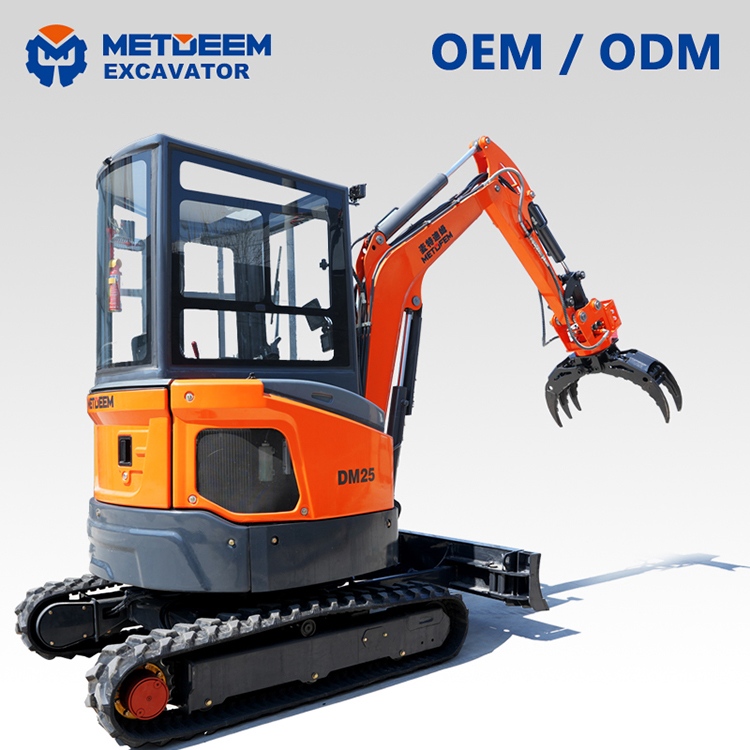
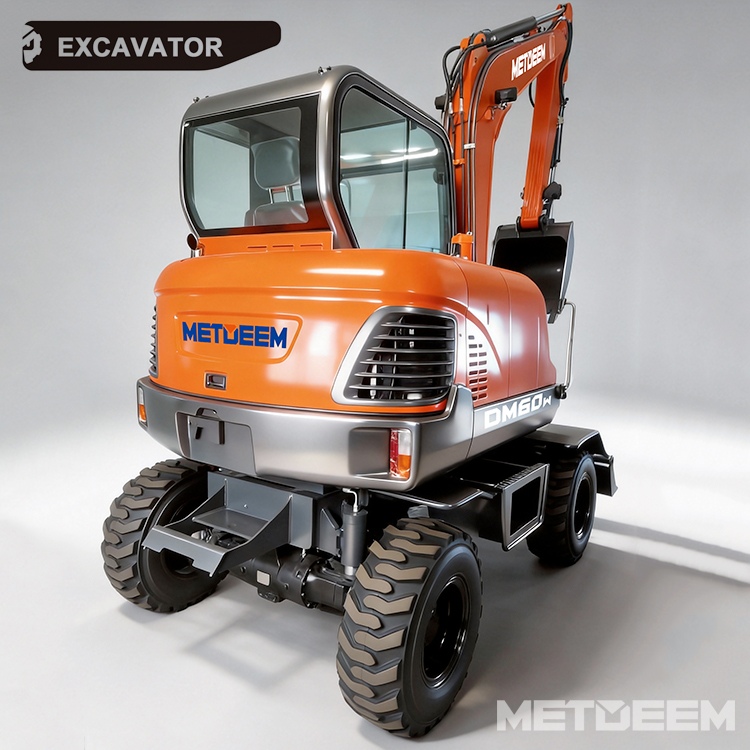
Forestry work can change from one task to another throughout the day. A crew may clear fallen trees in the morning, move logs after lunch, and build an access road before the day is over. Some jobs, such as post-wildfire cleanup, place even greater demands on equipment. Emissions regulations and operator shortages also encourage companies to use a single excavator for multiple tasks.
Forestry attachments must be compatible with the base machine and suited to the materials being handled and the work performed each day. Before purchasing grapples, breakers, or mulchers, buyers should verify the machine’s capacity, hydraulic requirements, mounting hardware, fuel consumption, and jobsite conditions.
Start With the Carrier, Not the Attachment Catalog
Sales brochures often emphasize jaw design or impact power. On the jobsite, however, the excavator itself sets the practical limits. Its operating weight and boom-and-arm configuration matter greatly. The hydraulic lines and rear counterweight help determine whether an attachment can operate safely and perform as intended.
Check excavator capacity in tons and balance
Excavator capacity, measured in tons, is an important starting point, but it is not the only factor. Forestry attachments are often heavier than standard digging buckets. Forestry grapples, for example, typically have wider frames and jaws. Because this weight sits farther from the machine’s center, it can change the excavator’s balance as it lifts a heavy, wet log on a slope.
Before choosing an attachment, check:
Base machine weight and lifting power at the required distance.
Tool weight in kg, plus the mounting bracket and lines.
Arm pin size, the gap between pins, and the mount width.
Space around the bucket cylinder during grapple movement.
Soil types, hill angles, and the biggest items you plan to move.
An attachment that is too light may not provide enough reach or gripping force. A heavier tool, however, places more strain on the arm, can slow machine movement, increases fuel consumption, and may make the excavator less stable. A practical lift test using a typical log can be more informative than relying on a weight chart alone.
Confirm hydraulic flow rate and pressure
Hydraulic forestry attachments depend on the correct oil flow and operating pressure. Verify the actual flow rate in L/min rather than relying solely on the machine’s display. Compare the measured value with the attachment’s operating range and maximum pressure rating. Also check the hose size and valve configuration.
A grapple depends on the correct hydraulic flow. Too little flow can make it slow and weak, while excessive flow generates heat, wastes fuel, and can cause seals to deteriorate prematurely. Hydraulic breakers and excavator mulchers may require different flow rates. Therefore, a machine used with multiple attachments should have a clear flow chart and tool-specific settings.
Match the Tool to the Forest Job
Forestry work involves handling wood, roots, rocks, and sometimes broken concrete. Storm cleanup crews need controlled gripping and efficient sorting, while road crews may need stronger tools for breaking and material placement. Before buying, match the attachment to both the material and the work method. This helps prevent an expensive tool from sitting idle.
Choose grapples for control and sorting
Un mechanical grapple bucket is suitable for handling mixed loads of branches, logs, and brush. It holds materials in place while the operator turns or loads them, reducing the need to reposition the bucket repeatedly. A hydraulic grapple provides additional gripping force, but it also adds hoses, valves, and components that require maintenance.
Check the distance between the teeth and the jaw opening, measured in mm. Consider the available rotation options and the typical size of the logs you will handle. Narrow teeth work well for small brush, while wider jaws provide a better grip on larger timber. Wood burned in wildfires can break apart easily and may conceal scrap metal or rocks. Clear visibility is essential whenever the machine lifts a load.
Add breaking equipment for stumps, rock, and concrete
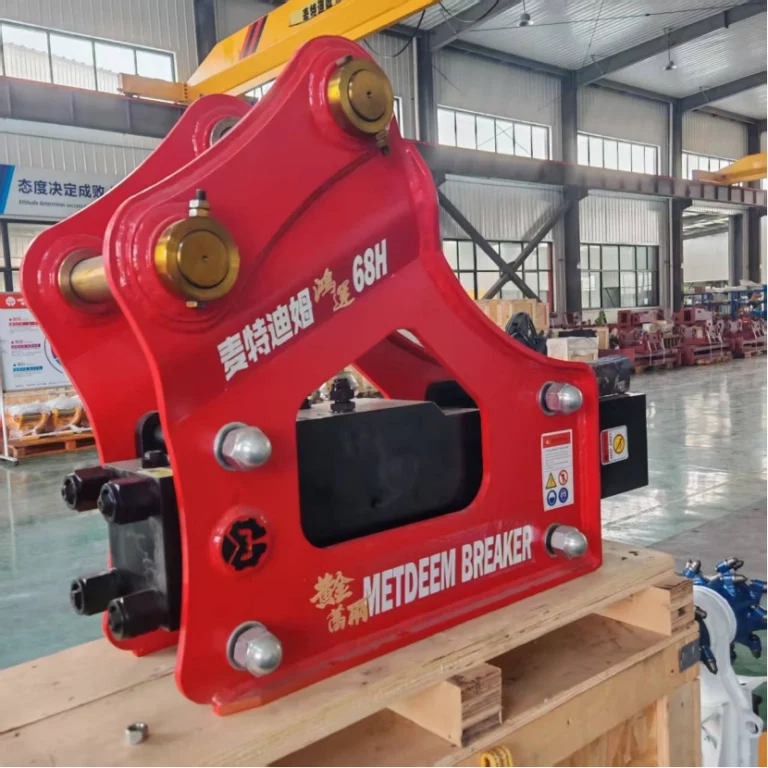
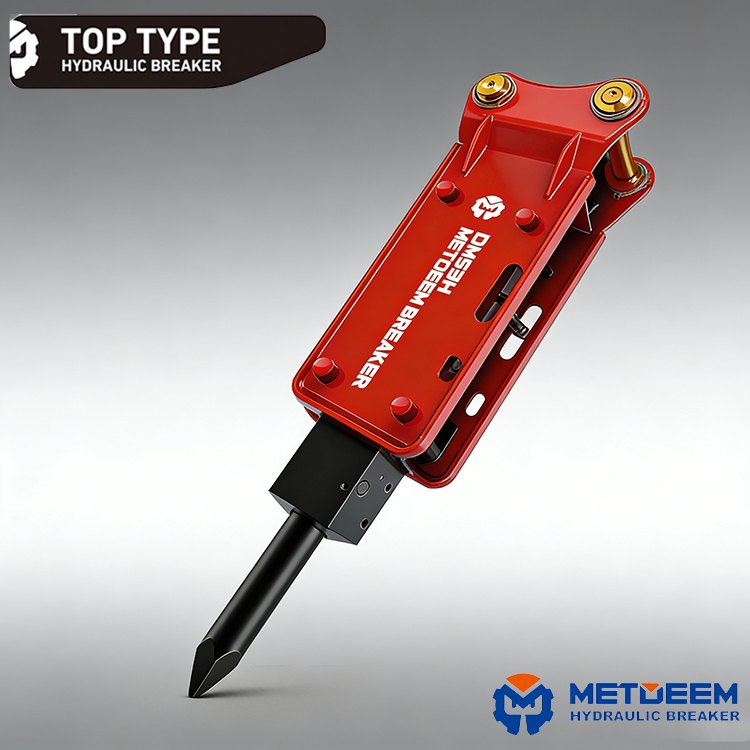
Forestry sites may contain old concrete foundations, sections of pipe, large rocks, and stubborn stumps. This is where breaking attachments can be useful. A hydraulic breaker fractures solid materials, while a hydraulic pulverizer crushes concrete into smaller pieces that are easier to sort and move. A grapple can then pick up the crushed material.
It is important to plan the work sequence carefully. Remove debris and establish a safe work area before breaking rock. After switching back to the grapple, check that the quick hitch is securely locked. Test each new attachment gradually and inspect the hoses. Search terms such as “jack hammer excavator,” “skid steer jack,” and “chargeur construction” may refer to different machine types and sizes. When selecting an attachment, confirm that it matches the intended carrier class.
Plan for Quick Changes and Lower Fuel Usage
A single excavator may support a land-clearing crew, a road crew, and a recycling team in the same week. Quick attachment changes help keep the machine productive, but speed should never replace a thorough visual inspection. A good changeover plan accounts for the quick hitch, hydraulic lines, cab controls, and the time needed to mount each tool safely.
Treat the quick hitch as a safety system
Make sure the quick hitch is rated for the attachment’s weight in kg and that its safety-lock indicator is clearly visible. After connecting the attachment, perform a slow curl test close to the ground. The attachment should remain securely engaged as the operator moves the arm through its full range.
Keep a short change checklist in the cab:
Park the machine on firm, level ground and release hydraulic pressure.
Inspect the pins, locking wedges, hoses, and metal contact surfaces carefully.
Connect clean fittings and use the correct seals.
Test the open, close, rotate, or impact functions at low speed.
Record any fluid leaks, unusual noises, or unexpected movements.
Reduce idle time and unnecessary travel
The entire work cycle affects fuel consumption. Heavy attachments, long idle periods, difficult access, and unnecessary machine movements all increase costs. Place logs near the loading area and plan rock-breaking work before grapple operations. Avoid carrying a heavy attachment across a field if the machine can travel to the work area first.
Do not reduce hydraulic flow below the attachment’s required range simply to save diesel. Insufficient power can slow the work and increase total fuel consumption. Track fuel use in L and operating hours for each attachment to understand its actual productivity and operating cost.
Account for Difficult Sites and Mixed Conditions
Forestry workers often face uneven ground, narrow dirt roads, bad weather, and hard-to-reach areas. A crew may need to repair a quarry road, support work in a mining area, or rebuild a water crossing. In these demanding conditions, operator visibility, hose protection, and convenient access for repairs are just as important as power.
Think beyond standard forest conditions
Keep loads close to the ground when travelling on steep slopes, and avoid pulling loads from the side. Control swing speed near buildings and public roads, and always establish a clearly marked safety zone. In dusty mining areas, dirt can quickly damage pins and seals. Clean and grease the attachment every day.
METDEEM supplies hydraulic breakers and similar excavator tools for building, tear-down, mining, and material sorting tasks. We look at machine facts and job materials to help you pick. We do not treat any tool as a perfect fit for everything. Buyers can view our hydraulic breaker range and broader construction machine range.
Check service support before purchase
Forestry attachments operate in mud, tree sap, water, and high-impact conditions. Before purchasing, ask where to source wear parts, seals, pins, and hoses. Check the lubrication points and service intervals, and find out how to verify hydraulic pressure. A reliable maintenance plan is especially important when crews work far from a service center.
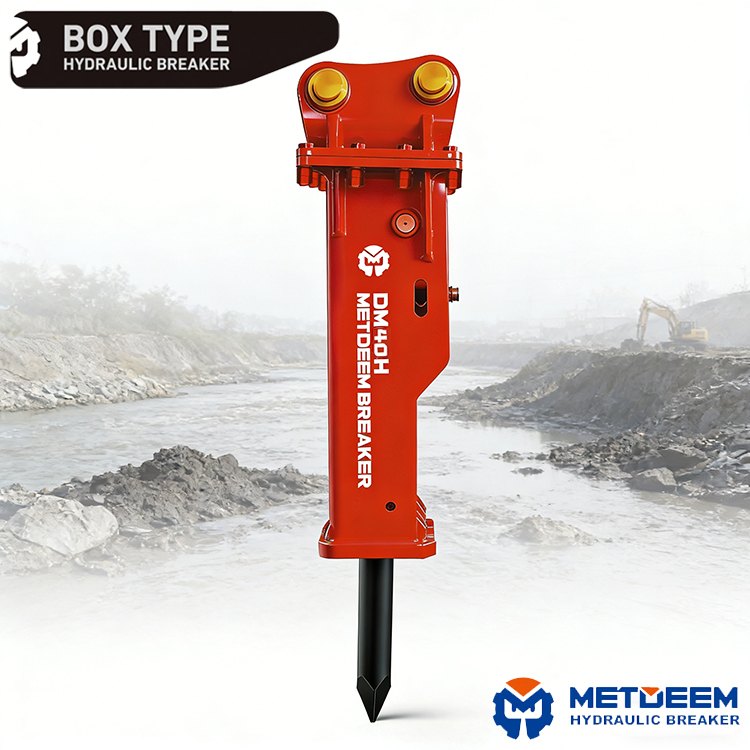
Our company information shows how METDEEM handles building parts and helping buyers. Our exhibition page highlights the machine talks we host at industry shows. For heavy hitting tasks, buyers can also check the enclosed DM40 unit on its product page.
A Practical Buying Checklist
Review this checklist before requesting a final quotation. It turns a general attachment search into a practical set of requirements that fleet managers, operators, and maintenance teams can assess.
What is the excavator capacity in tons and safe lift limit at the planned distance?
What is the tool weight in kg, counting the quick mount bracket?
Can the machine provide the needed fluid flow rate in L/min?
Does the unit fit the dirt type, hill angle, and daily work plan?
Can you easily get pins, metal sleeves, seals, hoses, and repair advice?
How will you track fuel burn in L before and after swapping tools?
Conclusion
Choosing forestry attachments for excavators starts with the base machine and ends with the needs of the daily work plan. Check the excavator’s capacity in tons, the attachment’s weight in kg, and the required hydraulic flow in L/min. Also verify the quick-hitch lock and the materials you plan to handle. A mechanical grapple bucket is well suited to logs and brush, while a hydraulic breaker or pulverizer can break up stumps, rocks, and concrete for easier sorting. Plan for steep slopes, burned wood, dusty mining areas, and field repairs. At METDEEM, we help buyers match hydraulic attachments to real jobsite requirements, maintenance plans, and productive operating hours.
FAQs
Q: What hydraulic flow rate does a forestry grapple need?
A: Read the attachment manual first. Then check the machine’s hydraulic flow in L/min and confirm that the operating pressure is within the attachment’s safe range, measured in MPa.
Q: How heavy should an excavator forestry attachment be?
A: Compare the attachment’s weight in kg with the excavator’s safe lifting capacity. Also consider machine balance at the working distance you normally use.
Q: Can one excavator run a grapple and hydraulic breaker?
A: Yes. The hydraulic flow, pressure, cab controls, quick hitch, and weight limits must be compatible with each attachment.