Building firms face huge stress in 2026. Worker costs run high. Timelines stay very strict. Also, many work areas lack room for big equipment groups. Meanwhile, crews still must dig, break, grade, lift, load, sort, drill, and clean. Purchasing a single machine for each job makes little sense.
This explains why excavator attachments play a bigger role in fleet choices today. A properly paired tool transforms a standard construction machine. It becomes a highly adaptable base. This approach lets builders finish extra tasks. They use fewer units. They cut down on hauling trips. They also reduce wasted downtime. Industry studies highlight growing needs for buckets, couplers, grapples, and breakers. In fact, experts value the worldwide excavator attachments market at USD 9.2 billion in 2026.
Attachments are not just basic extras anymore. This holds true for contractors, rental fleets, dealers, and site managers. These tools offer a clear path to manage expenses. They also boost daily work results on site.
Why Attachments Matter More in 2026?
In the past, purchasing decisions centered on machine size. Buyers looked closely at engine strength and bucket limits. Those details remain important. However, modern shoppers often ask a new question. They want to know: “How many jobs can this unit finish in one week?” This change links directly to the rise of compact equipment. It also connects to rental market needs and the push to keep all gear active.
One Base Machine, More Daily Tasks
A compact excavator might dig a trench early in the day. Then, it can smash concrete before the lunch break. Later, the same unit clears a ditch. The next morning, it lifts heavy rocks using a grapple. The core machine stays the same. Only the working tool switches out.
This fact is crucial since resting gear burns through money. A parked unit still generates bills. Owners must cover storage, loans, hauling, insurance, and upkeep. Attachments push usage rates higher. They simply give the exact same excavator a wider variety of chores to tackle.
Useful attachment groups include:
- Buckets for digging, grading, cleaning, and rock work
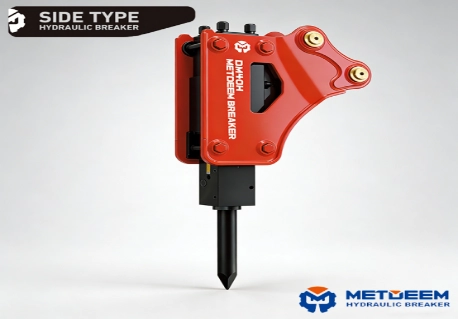
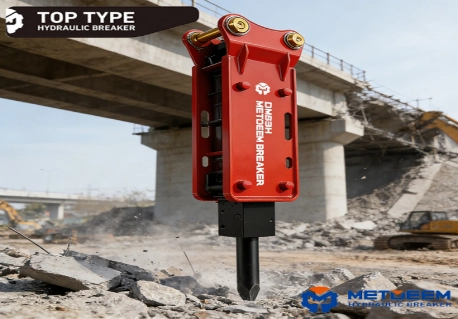
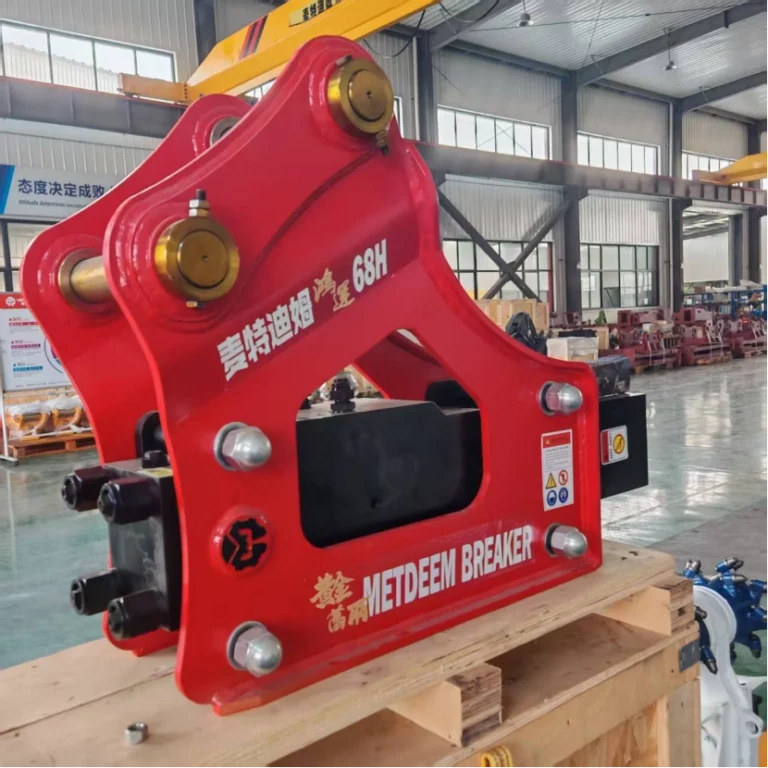
- Hydraulic breakers for concrete, road repair, and demolition
- Grapples for logs, stone, scrap, and sorting
- Rippers for hard soil and frozen ground
- Augers for post holes, trees, and foundation work
- Quick couplers for faster tool changes
- Compactors for trench and foundation compaction
Di METDEEM, we design our products for practical construction, mining, quarry, agriculture, and road work. Our machines and attachments are built to help users match real site tasks instead of buying equipment based only on catalog numbers.
Quick Couplers Save Time on Busy Jobsites
A quick coupler system is often the first attachment-related upgrade contractors should consider. It does not dig, break, or lift by itself. Still, it can make every attachment easier to use because it reduces the time needed to change tools.
Before choosing a coupler, buyers should think beyond speed. The coupler must match the excavator class, pin size, bucket width, and safety needs. Poor matching can create shaking, uneven wear, weak locking, or unsafe tool changes. A good coupler makes the whole attachment system more valuable.
Hydraulic and Mechanical Couplers
Hydraulic quick couplers are suited to jobsites that change tools often. The operator can switch between buckets, breakers, and grapples from the cab, which saves labor and keeps the machine moving. Mechanical couplers are simpler and may be enough for users who change tools less often.
A tilt hydraulic quick hitch adds another layer of movement. It helps when shaping slopes, cleaning ditches, grading edges, or working near walls. For landscaping and utility projects, this can reduce manual finishing work.
The key is not to choose the most complex coupler. The key is to choose the coupler that fits the work rhythm.
Matching Attachments to Real Jobsite Pain Points
Contractors often lose money because the attachment does not match the task. A bucket that is too light wears quickly in rock. A breaker that is too large can stress a small excavator. A grapple without enough clamping force may slow sorting work. A mismatch can damage the machine and increase fuel use.
A better buying process starts with the pain point. What is slowing the job? Is it hard material, tool change time, limited access, poor finishing quality, or too many machines on site?
Breaking and Demolition Work
For concrete, asphalt, and rock breaking, hydraulic breakers are the common choice. They are useful in road repair, building demolition, foundation removal, and quarry support. A breaker should match the excavator’s weight and hydraulic flow. If the breaker is too small, work is slow. If it is too large, it can damage the boom, arm, pins, and hydraulic system.
Demolition work may also need hydraulic shears, pulverizers, or sorting grapples. These tools help separate steel, concrete, and mixed waste. For contractors handling demolition material, sorting speed can be just as important as breaking power.
Digging, Grading, and Cleaning
Buckets remain the most used attachments because they handle the widest range of work. But not all buckets serve the same purpose. A rock bucket is built for abrasive material. A cleaning bucket is better for ditch cleaning and light grading. A tilt bucket helps shape slopes and finish edges with fewer machine repositioning moves.
For road, drainage, and landscaping projects, the right bucket can reduce rework. That means fewer passes, less fuel, and better finish quality.
Compact Excavators and Urban Projects Are Driving Demand
Compact machines are a major 2026 trend. Industry coverage of construction equipment trends points to compact equipment as a strong force because these machines are portable, flexible, and suited to tight jobsites.
Urban construction is one reason. Many projects now happen near homes, shops, utilities, roads, and finished surfaces. Large machines may be too wide or too heavy. Smaller excavators with the right attachments can work with less ground damage and easier transport.
Small Machines Still Need Serious Planning
A compact excavator is not automatically low-cost. If the attachment is poorly chosen, the machine may work slowly or wear too fast. Buyers should check operating weight, hydraulic pressure, oil flow, pin diameter, lifting capacity, and working radius.
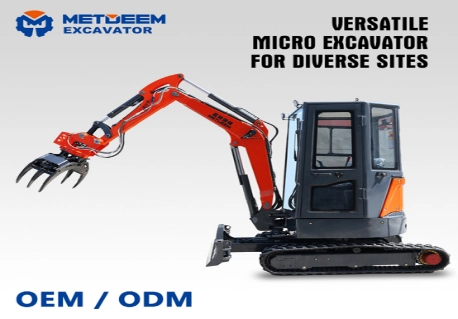
METDEEM mini excavators cover 0.8 ton to 6 ton classes, giving users options for different space and digging needs. We also supply related attachments so customers can plan machine and tool matching together.
Electric construction equipment is also gaining attention for city and indoor projects. A 2026 guide to electric construction equipment notes that compact machines are leading adoption because their work cycles are easier to match with battery power. Even so, runtime, charging access, and job intensity must be checked before buying.
Maintenance Protects Attachment ROI
Attachments reduce cost only when they stay reliable. A breaker with worn bushings, a coupler with loose locking parts, or a bucket with cracked welds can stop work and create safety risk. Maintenance should be part of the attachment plan from day one.
Daily checks do not need to be complex, but they must be consistent.
Important checks include:
- Look for cracks around welds and stress points
- Check pins, bushings, and locking parts
- Confirm hydraulic hoses are not twisted or leaking
- Watch for oil bubbles, discoloration, or high oil temperature
- Grease moving points at the correct interval
- Clean mud and stone from couplers and bucket joints
- Stop work if abnormal sound or vibration appears
Hydraulic system diagnosis should follow a clear order. Ask the operator what changed. Look for oil level, leaks, bubbles, and damaged parts. Listen for sharp whistling, rough pump noise, or valve sound. Touch carefully for abnormal heat. Then test machine functions one by one.
This step-by-step method reduces guesswork. It also helps teams avoid replacing good parts while missing the real fault.
What Buyers Should Ask Before Purchasing Attachments?
A good attachment purchase is based on both machine data and jobsite habits. Before placing an order, buyers should ask practical questions.
- What machine class will carry the attachment?
- What hydraulic flow and pressure are available?
- How many hours per week will the tool work?
- Is the job mainly digging, breaking, grading, sorting, or lifting?
- Will the tool be used in rock, soil, concrete, scrap, or wood?
- Does the operator need fast tool changes?
- Are spare parts easy to source?
- Can the attachment be used across more than one machine?
METDEEM supports buyers with construction machines, spare parts, and attachments through our wider product system. You can view our machine direction on the METDEEM construction machine page and learn more about our company background on the METDEEM about us page.
Kesimpulan
Excavator attachments are becoming one of the smartest ways to control equipment cost in 2026. They help contractors use one construction machine for more tasks, reduce idle time, and respond faster to changing jobsite needs. Quick couplers, buckets, breakers, grapples, rippers, and compactors all have a clear role when matched correctly. The best choice depends on machine weight, hydraulic flow, material type, and daily work rhythm. For contractors, rental fleets, and dealers, attachments are not just accessories. They are a practical path to higher machine use, lower downtime, and stronger long-term value.
FAQs
Q: What excavator attachments are best for concrete breaking?
A: A hydraulic breaker matched to machine weight and oil flow is best.
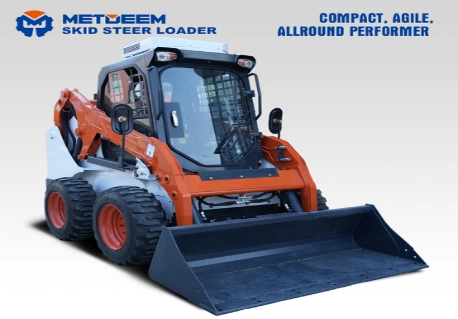
Q: How much can the DM08 mini skid steer loader carry?
A: The DM08 rated operating capacity is 705 kg.
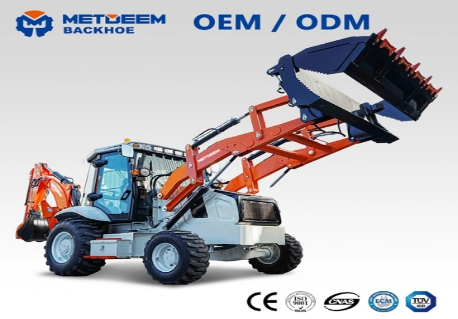
Q: What bucket size does the DM3CX backhoe loader use?
A: The DM3CX loader bucket is 1,500 liters.