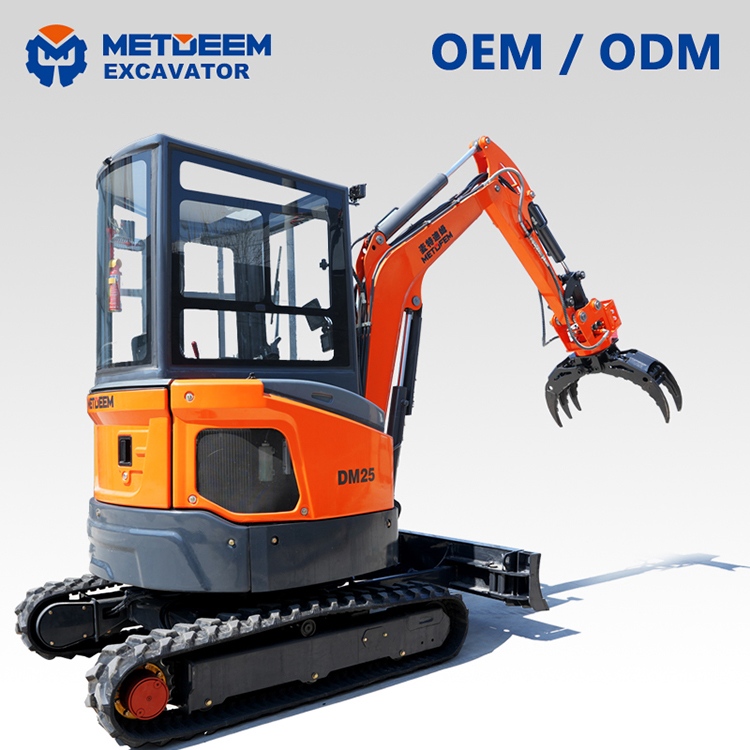
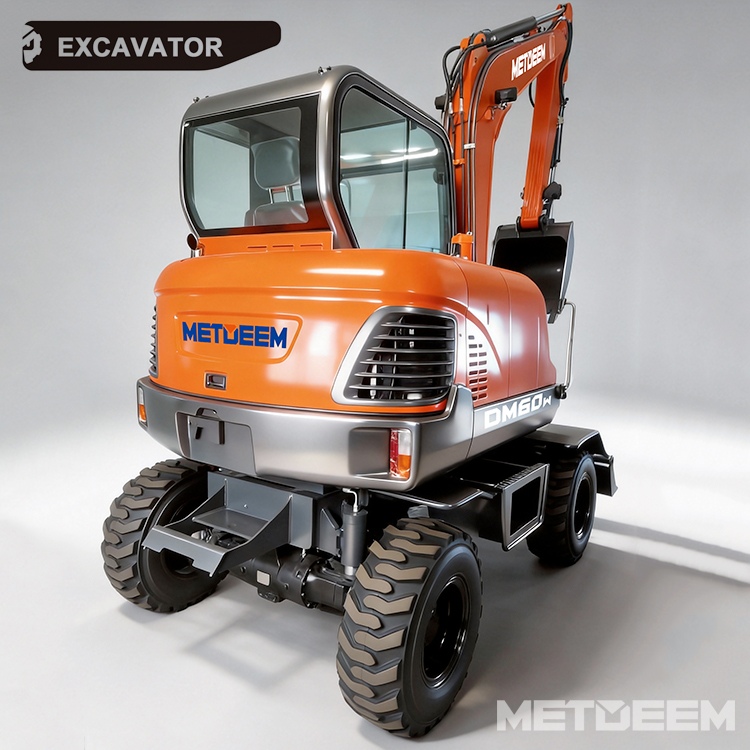
Rock grinder attachments for excavators are increasingly used in trenching, demolition, roadwork, quarrying, and utility projects. Contractors often work in confined spaces and face rising disposal costs, as well as strict local limits on noise and vibration. A grinder cuts through rock, concrete, frozen ground, and compacted soil. It can also provide more controlled cutting than conventional impact methods.
However, a rugged appearance does not necessarily translate into high productivity. The right attachment must match the base carrier and its hydraulic circuit, as well as the site’s ground conditions, required cutting depth, and planned daily operating hours. This guide is intended for contractors, fleet managers, rental companies, and equipment buyers. It outlines practical factors to review before requesting a quotation.
Why Rock Grinder Attachments Are Gaining Attention in 2026
Modern construction increasingly favors versatile machines that can handle several tasks without requiring additional carriers on site. Processing materials locally reduces truck traffic and can turn suitable excavated soil into valuable backfill. In busy urban areas, precise cutting helps crews work near buried utilities, roads, and occupied buildings, where heavy impact methods may create unacceptable vibration.
Compact tail-swing designs, stored tool settings, and quick-change systems can make hydraulic attachments highly efficient. However, choosing the wrong grinder can lead to overheating, frequent stalling, rapid tooth wear, and excessive fuel consumption.
Start with Excavator and Hydraulic Matching
A rock grinder is an extension of the excavator’s hydraulic and mechanical systems. Before comparing drum widths or tooth styles, buyers should gather the base machine’s specifications and identify the hardest rock expected on the site. The checks below provide a sound basis for selecting a model and help operators avoid poor cutting performance, overheating, unstable handling, and premature component failure.
Match Excavator Capacity in Tons
Start by checking the excavator’s capacity in tons, then review the attachment’s operating weight in kg. A grinder that is too heavy can upset the machine’s balance and place excessive stress on the stick, boom, coupler, and swing motor. Conversely, a smaller unit may be suitable for basic trench cleaning but could lose cutting speed significantly in solid rock.
Do not rely on carrier weight alone. Boom reach, rear counterweight, ground slope, and working angles are equally important. Request the approved carrier size range and the attachment’s exact weight. You should also check its center of gravity and the manufacturer’s safe side-cutting limits.
Check Flow, Pressure, and Return-Line Needs
A hydraulic rock grinder needs sufficient oil flow to keep the drum rotating properly and adequate pressure to maintain torque when the teeth engage hard surfaces. Insufficient flow causes slow cutting and frequent motor stalls. Excessive flow, on the other hand, creates heat that can damage seals and shorten motor life. Excessive back pressure in the return line can cause similar problems.
Record the auxiliary flow rate in L/min and the operating pressure in bar. Also note the return-line diameter, case-drain requirements, and oil-cooling capacity. If the carrier also operates hydraulic breakers, assess the requirements of each attachment separately. A circuit configured for a conventional excavator jack hammer may need specific adjustments to support continuous rotary grinding.
Review Coupler Geometry and Machine Balance
A quick hitch saves time when operators switch between digging and loading. However, it adds height and bulk between the dipper stick and the attachment. This can reduce breakout force and change the ideal cutting angle. Measure the pin diameter, pin spacing, and bracket width, and check the hydraulic connections and overall coupler height before ordering.
The operator needs a clear view of the work area to keep the drum properly aligned. Incorrect mounting geometry can cause uneven tooth wear and damaging side loads. After installing the attachment, test its movement slowly, verify that the lock is secure, and carry out a brief cutting trial.
Cutting Performance Depends on Drum Design and Tooling
Two grinders of the same weight can perform very differently in the same trench. Drum profile, motor torque, tooth arrangement, and cutting width all play important roles. These factors determine how smoothly the attachment cuts into the material and removes loose spoil. Buyers should assess them in relation to the required wall finish, daily production targets, and the ongoing cost of replacement wear parts.
Choose Teeth for the Actual Material
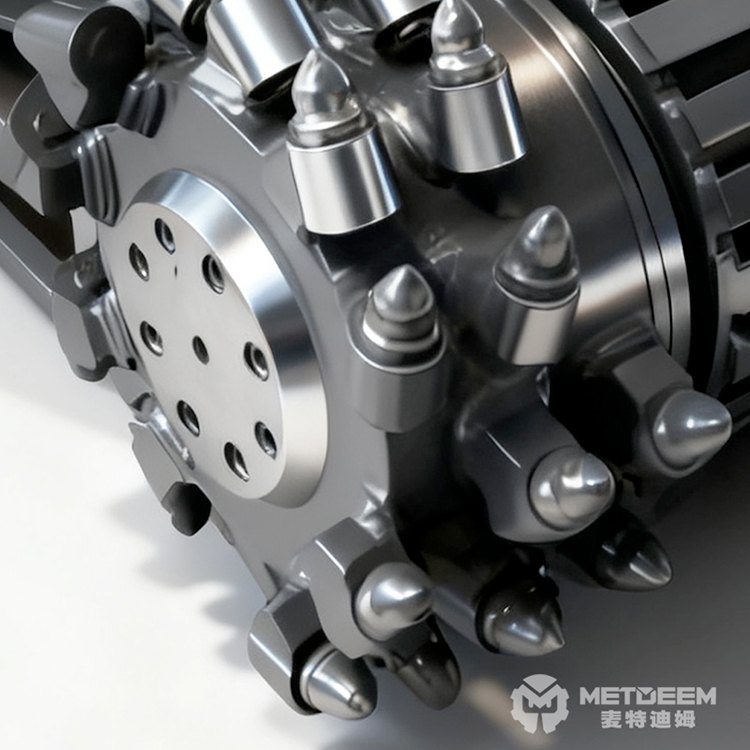
Rock strength is only one factor when selecting teeth. Abrasiveness, natural fractures, moisture, steel rebar, and mixed soil can all affect wear rates. Standard conical picks generally provide concentrated penetration, while manufacturers offer different tip materials and body profiles for abrasive rock, cured concrete, and loose soil.
Check the total number of installed teeth and their exact arrangement. Ask whether the tooth holders can be replaced easily. A well-balanced tooth pattern distributes cutting loads evenly and helps reduce vibration. Difficult tooth changes can waste time and increase costs on large trenching or mining projects.
Balance Torque, Drum Speed, and Cutting Width
A high drum speed does not necessarily mean higher daily production. Solid rock requires substantial torque to keep the drum turning under load. Softer soil, by contrast, may benefit from higher speeds and a wider cutting pass. The best design delivers smooth, consistent grinding without requiring the operator to apply excessive downward pressure with the boom.
The cutting width should suit the job. A narrow drum is often best for confined utility trenches and clean wall profiles, while a wider drum can process more material in each pass. However, it also demands more hydraulic power from the carrier. Compare hourly output in cubic meters, average tooth costs, and daily fuel consumption.
Durability Features for Difficult Jobsite Challenges
Grinding rock produces heavy dust, high temperatures, and strong shock loads. The attachment also remains in constant contact with rough, broken material. Durable internal components are essential, but easy access for servicing is just as important. Look for a design that allows quick daily inspections without requiring mechanics to remove heavy steel guards.
Key features include:
Protected hydraulic motor: Robust covers should protect the drive motor and hose fittings from falling rocks and accidental side impacts.
Heavy-duty bearings and seals: These components must withstand high radial loads while keeping fine dust away from lubricated metal surfaces.
Replaceable wear parts: Tooth holders, side skids, and armor plates should be easy to replace before excessive wear damages the main frame.
Accessible lubrication points: Grease fittings should be clearly visible and easy for workers to reach during routine daily inspections.
Protected hose routing with adequate movement clearance: Hydraulic hoses need durable outer protection and enough slack to avoid becoming overstretched when the bucket cylinder extends or curls fully.
Practical maintenance records: Owners should track tooth life and bearing temperatures, as well as minor oil leaks, changes in operating noise, and overall production volume.
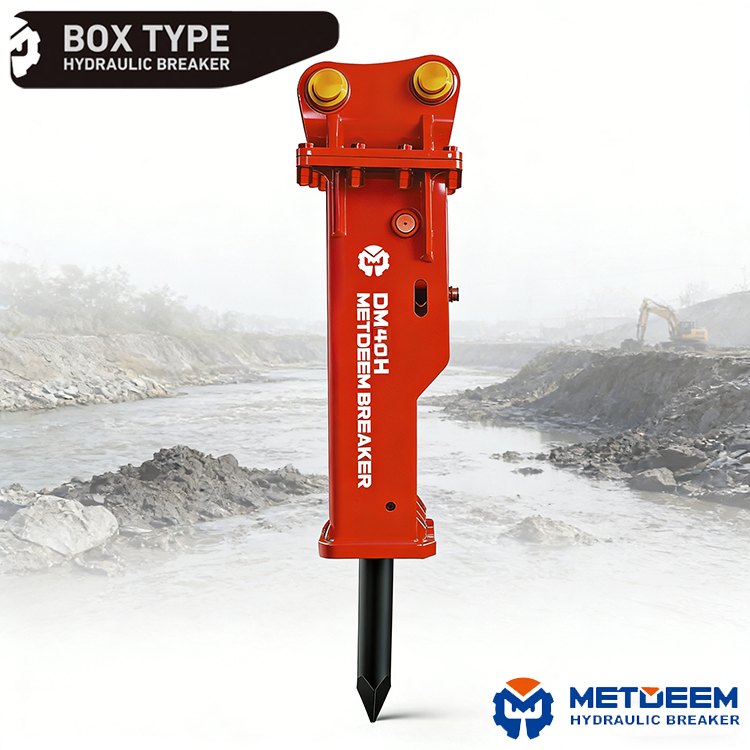
Rock Grinder or Hydraulic Breaker: Choose by Work Method
Rock grinders and hydraulic breakers are designed for different types of work. A rotary grinder removes material through a continuous milling action. It is useful when crews need a clean trench or a relatively smooth vertical wall. It also allows more controlled cutting depth and can reduce ground vibration near older buildings. In addition, it produces smaller, more uniform material that is easier to collect.
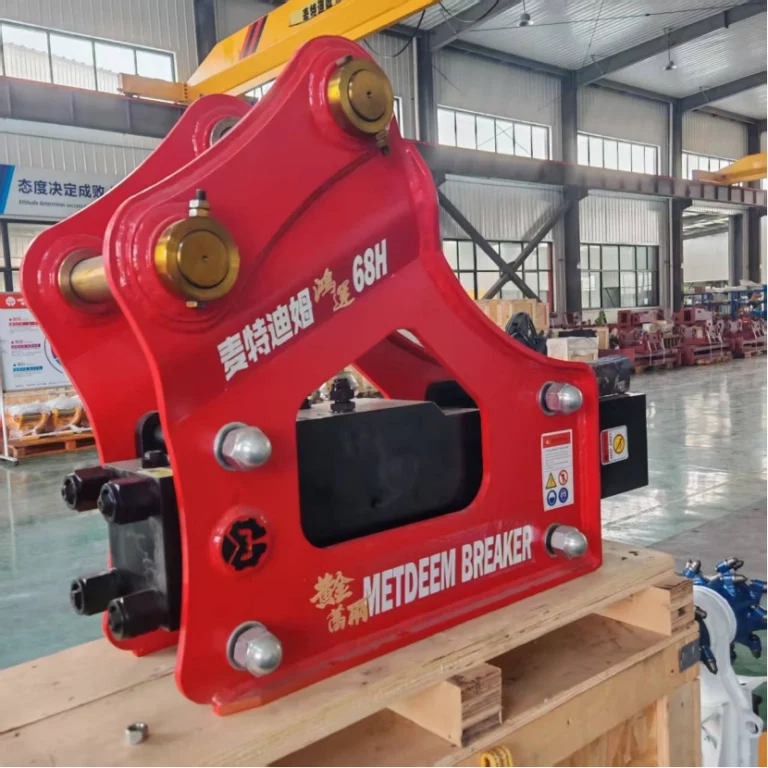
A hydraulic breaker, by contrast, uses repeated high-impact blows. It is generally better suited to breaking thick concrete slabs and large boulders, especially when a smooth wall finish is not required. On many jobsites, the two attachments can complement each other: the breaker first fractures the thickest sections, the grinder then smooths the rough edges, and a standard bucket removes the remaining debris.
Before you make a final purchase, compare these factors:
local regulations governing noise and ground vibration;
the hardness and abrasiveness of the material;
the required wall finish and cutting precision;
the safe working space around buried pipes and nearby buildings;
daily production targets and permitted operating hours;
ongoing costs for teeth, steel chisels, diesel fuel, and truck transport.
Build a Multi-Attachment Workflow Around the Grinder
An effective attachment plan considers the entire material-handling cycle. After milling, the loose material may need to be lifted, sorted, crushed, or loaded. A heavy-duty mechanical grapple bucket can handle mixed, bulky pieces, while a hydraulic pulverizer can crush old concrete and separate the reinforcing steel. A reliable quick hitch allows the carrier to switch between these tasks with minimal downtime.
Buyers may encounter search terms such as “chargeur construction,” “skid steer jack,” or “jack hammer excavator” when looking for different types of base machines. Confirm the exact carrier model before selecting an attachment, because hydraulic flow requirements and mounting dimensions can vary significantly between brands.
For major quarry, highway, demolition, and mining projects, plan the work sequence in advance. This helps avoid purchasing redundant attachments and reduces costly delays during loading, sorting, and final grading.
How METDEEM Supports Attachment Planning
Here at METDEEM, we actively assist shoppers in checking base machine sizes and fluid power specs. We also review physical pin dimensions and harsh site environments. Our pemutus hidrolik fit many distinct frame designs and various weight classes. Clients can easily browse our construction machine range. This helps them pair a new base unit with the perfect tool simultaneously.
To speed up daily swap times, our expert articles detail proper quick hitch selection. They highlight the exact pin measurements needed for totally safe locking. We also build heavy-duty lifting gear, including our rugged mechanical grapples. Customers can discover extra details about our factory methods on the official METDEEM company page. You can also view our latest global market updates by visiting our exhibitions.
Kesimpulan
The best rock grinder attachments for excavators combine compatible hydraulic performance with stable machine balance. They should also have suitable tooth designs, sufficient torque, protected internal components, and straightforward maintenance requirements. Buyers should first check the carrier’s capacity in tons, then verify hydraulic flow in L/min, peak pressure, pin dimensions, and total attachment weight in kg. Next, assess the actual job requirements, including rock hardness, trench width, noise restrictions, desired wall finish, and material-handling steps. A rotary grinder may be the primary attachment or may work alongside hydraulic breakers, a heavy-duty pulverizer, and a mechanical grapple bucket. A well-planned attachment strategy gives operators clear daily objectives, reduces unnecessary travel around the site, and makes it easier to track diesel use, steel wear parts, labor costs, and unexpected repair downtime.
FAQs
Q: What flow data is needed for rock grinder attachments for excavators?
A: Provide the exact auxiliary flow rate in L/min, the peak operating pressure in bar, and the specific case-drain line requirements.
Q: How do I confirm the attachment is not too heavy?
A: Compare the attachment’s total weight in kg with the manufacturer’s approved limits. Also consider maximum boom reach, rear counterweight size, and ground slope.
Q: Can one excavator use a grinder and hydraulic hammers?
A: Yes. Each attachment must be compatible with the carrier’s hydraulic flow in L/min, peak pressure, return-line capacity, and quick-hitch dimensions.