What Makes the Excavator with Rock Hammer Suitable for Mining Tasks?
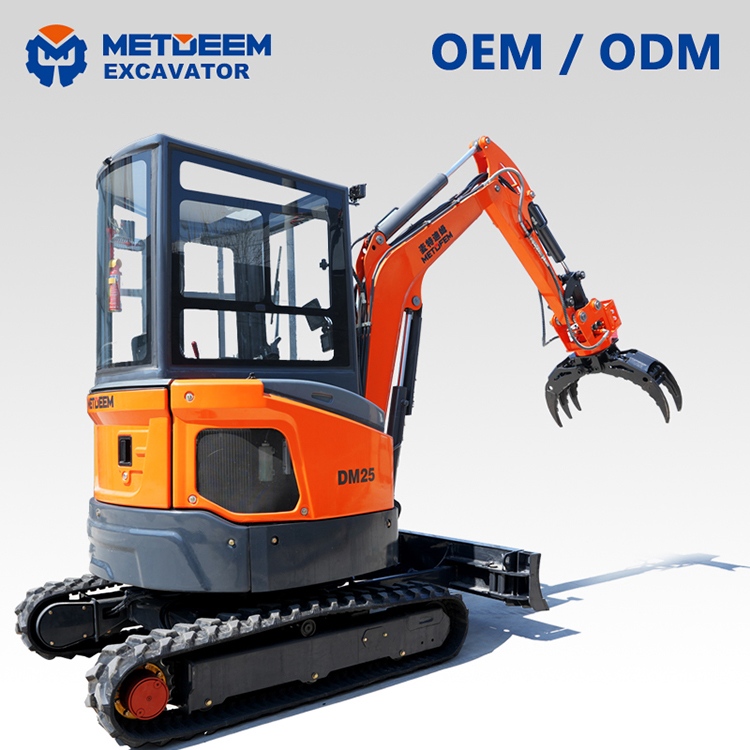
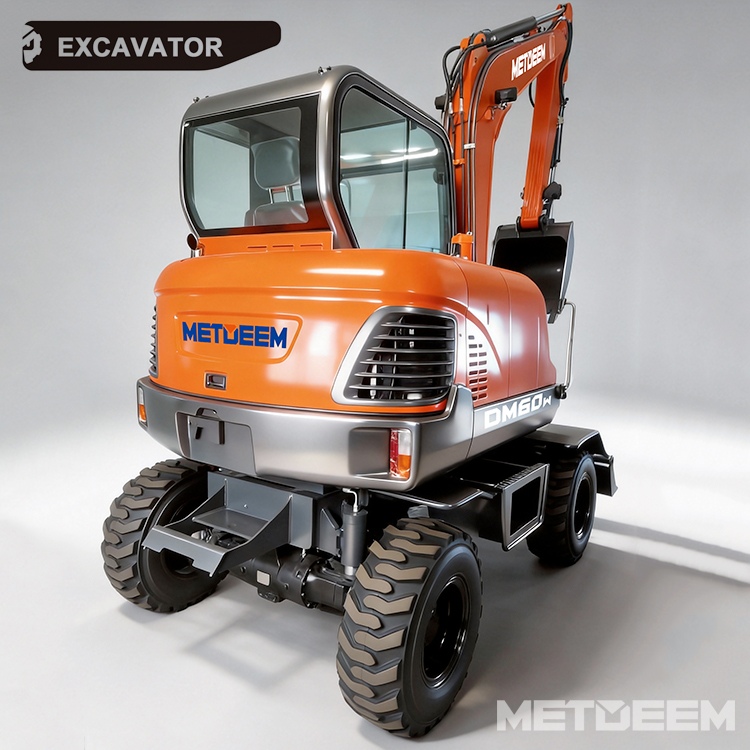
Mining sites require tough equipment. These machines must shatter solid materials. They also need to travel fast between different zones. Furthermore, they must withstand endless hours of dirt, shaking, and extreme warmth. Therefore, an excavator with rock hammer remains a smart pick for numerous mining and quarry jobs. This setup blends the long reach and easy movement of a standard digger. It pairs those traits with the heavy striking power of a hydraulic breaker.
Mining jobs are almost never easy. Workers often have to smash massive boulders. They might clear dirt paths or strip away tough ground layers. Sometimes they assist with feeding crushers. They also perform extra breaking after explosives go off. A correctly paired rock hammer excavator lowers the amount of hand labor. It boosts overall safety on the grounds. In addition, it keeps daily output steady whenever giant stones block the normal workflow.
Why Mining Sites Use Excavators with Rock Hammers
A typical mine setup shifts constantly throughout the day. One spot might require deep digging. Another zone could need fast loading. Meanwhile, a third section demands heavy tools to shatter solid stone. A stationary machine works well in a single spot. However, an excavator with a breaker offers much more freedom. It travels easily, reaches far, and strikes from various angles.
Such versatility proves highly valuable across open-pit mines and stone quarries. It helps at road carving sites and tunnel openings. It also serves well in rear support zones. This trait perfectly matches the growing shift toward multi-use heavy machines and tools. Current talks about mining gear constantly highlight better output and worker safety. They also point toward electric power, automated controls, and smarter usage of current fleets.
Breaking Oversized Rock Before Crushing
Huge stones frequently block loading tasks. They delay transport trucks and drop crusher performance. You do not have to drag massive chunks to a separate zone. Instead, the excavator drives the rock hammer straight to the problem. The driver then smashes the boulder into smaller bits. These broken parts become much simpler to scoop up and process.
This fact represents a huge reason why hydraulic hammers stay vital in modern mining. They allow teams to manage surprise rock sizes. They do this without halting the entire site. To get top results, the hammer needs to fit the exact stone hardness. It must also match the carrier size, fluid flow, and active pressure levels.
Working in Difficult Mining Areas
Mining duties rarely happen on perfectly level dirt. Drivers often operate near steep benches or narrow dirt paths. They work around giant stockpiles and busy crusher zones. They also handle rear support sections. In these tricky spots, the boom and arm of the machine provide excellent reach. They give the driver precise control over tool placement.
A rock hammer excavator performs well in tough locations. Using a manual tool or a tiny jack hammer excavator there would prove too slow. It could also pose severe safety risks. This bigger setup removes the need for ground staff to stand near loose stones. It keeps them away from dangerous falling debris.
Matching the Breaker to Excavator Capacity
A rock hammer only works right when paired properly with its base machine. If the tool is too tiny, it hits repeatedly but lacks real power. If the tool is too heavy, it causes major stress. It can overload the main boom, steel pins, and fluid pump. It might even damage the whole carrier frame.
Buyers must check several details before picking a specific model. They need to confirm the carrier weight limit in tons. They should look at fluid flow and active pressure. They must also check the tool weight, chisel width, and nitrogen gas levels. The bracket size is crucial too. These facts determine if the attachment will run safely and reliably.
Hydraulic Flow and Working Pressure
Fluid flow decides the exact speed of the hitting cycle. Active pressure provides the actual striking power. Both factors must remain inside the suggested limits. A bad match leads to higher fuel burn. It heats up the fluid too much. It can ruin internal seals. Sometimes, it just makes the tool hit very weakly.
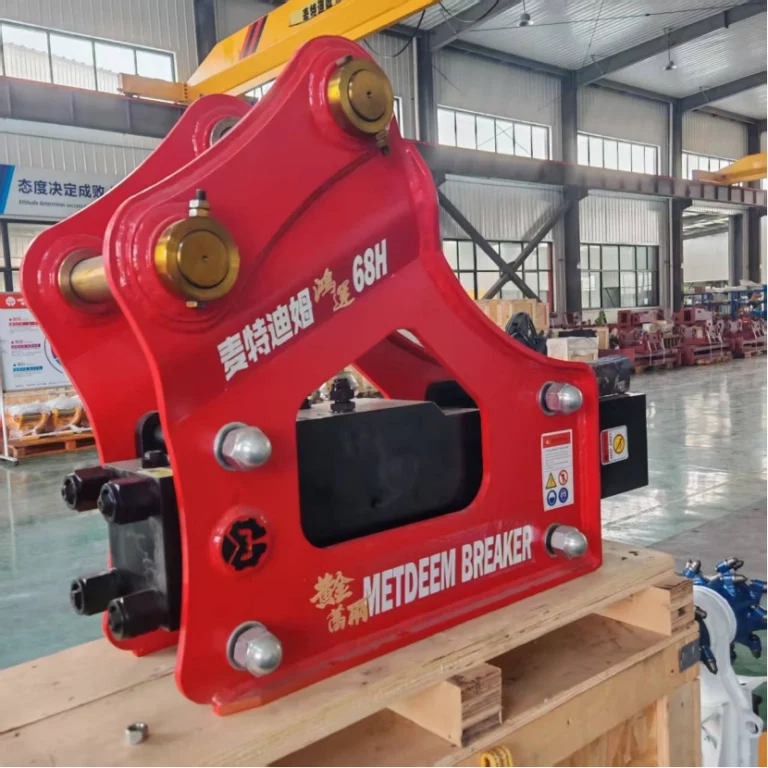
METDEEM hydraulic breaker details cover a broad span of carrier sizes. Tiny versions might take around 15-20 L/min. Meanwhile, massive units can demand 300-330 L/min. Active pressure often sits between 8-12 MPa on smaller types. It can climb to 34-36 MPa on giant models.
For intense mining chores, buyers must never choose based solely on tool dimensions. The actual extra fluid capacity of the base machine matters much more.
Chisel Diameter and Rock Hardness
The width of the chisel must fit both the tool and the stone type. A thin rod might wear down fast in very solid rock. A giant rod on a small machine drops handling precision. It also adds unwanted stress to the equipment.
We always ask clients specific questions when they pick METDEEM goods. We check the carrier model and the exact stone kind. We ask about daily shift lengths and target output goals. Our hydraulic breaker range features box type, side type, and top type units. These fit diverse mining, teardown, and building scenarios.
Breaker Structure for Mining Applications
Distinct tool shapes fit various working angles. Mining chores often include flat dirt, upright walls, or solid ledges. They involve path fixes and angled breaking. The outer shell design alters driver vision and tool placement. It also impacts sound levels and internal part safety.
Contractors must consider primary daily uses before choosing a shell style. A stone pit floor differs greatly from a tunnel wall. A crusher zone and a sharp cliff face present totally different working angles.
Side Type Breaker for Horizontal Rock Work
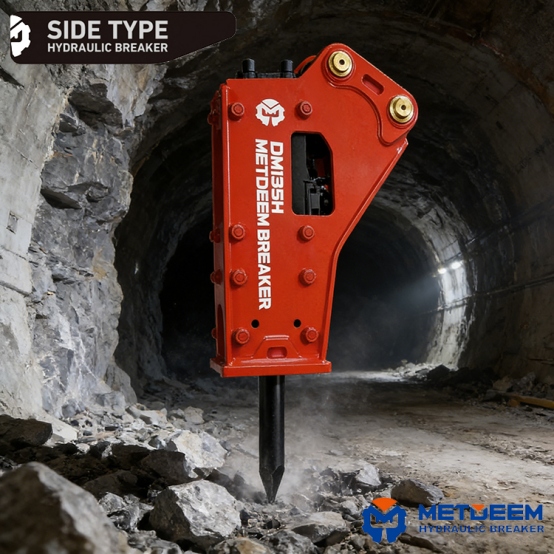
A side type unit normally works well for flat breaking tasks. It handles path materials, pit floors, and broad mining dirt. Its shape grants the driver a very clear look at the steel rod and the exact strike point.
This shape proves highly helpful when the machine smashes stone on flat ground. It also works well along wide walls. METDEEM supplies a range of side type hydraulic breakers from the DM Series, designed for demanding excavator breaking applications.
Top Type Breaker for Non-Horizontal Tasks
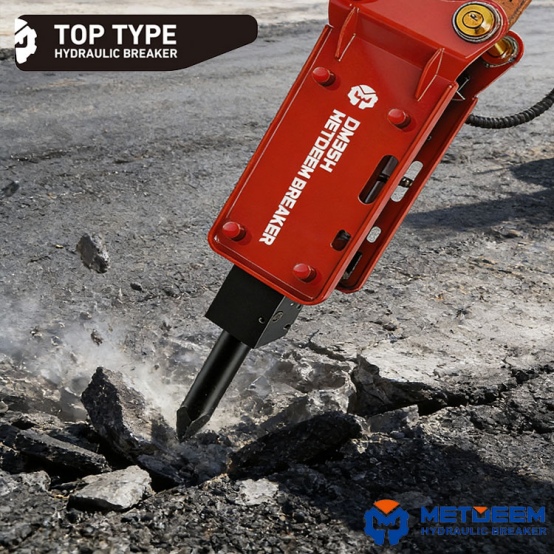
A top type unit shines when the task is not level. It supports teardown projects and tunnel digging. It also helps on specific mining walls. In these spots, the driver requires a very direct tool posture.
For site support duties, a top type model assists greatly. It shatters tough spots near high walls, steep slopes, or tunnel doors. However, drivers must still use it properly. The steel rod must line up straight with the stone. The driver must never pry or push sideways.
Durability Matters More Than Purchase Price
Mining destroys weak gear. Dirt sneaks into tiny spaces. Constant shaking loosens tight bolts. Solid stone grinds down steel rods. High heat ruins rubber seals. A cheap unit might seem nice initially. However, constant breakdowns quickly cost much more than buying a solidly crafted tool.
A lasting tool relies on premium metal quality and proper heating processes. It needs precise cutting, smart seal layout, and smooth piston travel. Valve timing and solid bushing support also matter greatly. METDEEM details its production goals in its hydraulic breaker craftsmanship article. This covers output rates, correct pairing, and field support for mining and teardown jobs.
Key Parts That Face Mining Stress
The most stressed parts include:
- Piston
- Silinder
- Directional valve
- Chisel
- Front head
- Back head
- Bushings
- Oil seals
- Nitrogen chamber
Inside the unit, gas pressure and fluid power push the piston down. The piston then hits the steel rod. Next, the rod sends that heavy energy straight into the stone. If rubber rings leak, power drops. If metal sleeves wear out or gas levels fail, striking force vanishes while internal damage grows.
Maintenance Reduces Downtime
Site workers must apply grease to the unit every 2-3 hours during active shifts. They should test all bolts before starting the morning routine. Rubber rings, metal sleeves, fluid lines, and rod tips need frequent visual checks.
The driver must prevent empty hitting. They should never work underwater without proper setup. They must avoid hitting one exact spot for over 30 seconds. If the stone refuses to split, they should shift the tool. Striking near an outer edge often works better.
Managing Fuel Usage and Work Efficiency
Fuel burn goes beyond just the main motor. A badly paired tool forces the fluid system to strain heavily. It does this without giving good results. This issue creates extra heat and faster part decay. It also leads to very slow smashing speeds.
The top method for saving fuel is pairing the tool perfectly. Drivers must pick the correct rod style. They need to hold the unit straight and stop useless empty hits. A properly sized hydraulic hammer shatters material rapidly. It uses far fewer wasted motions.
For busy sites, this helps achieve a larger target. It keeps the base machine active for multiple chores. By using a fast coupler, a single digger switches roles quickly. It goes from smashing stone to scooping dirt. Then, it can easily grab other tools.
Working with Other Attachments on Mining Sites
An excavator with rock hammer usually forms just one piece of the total site plan. Once the stone breaks, teams must sort the debris. They load it, crush it more, or transport it away. This step makes smart tool planning very important.
A fluid-powered crusher easily breaks down cement or steel-filled blocks. A metal grab bucket manages messy trash piles. A fast coupler lets the driver swap gear rapidly. In certain regions, shoppers might look up phrases like chargeur construction, skid steer jack, or jack hammer excavator. They do this while checking various machine and tool choices.
METDEEM supplies heavy gear and tools via its construction machine category. Our items assist with smashing, scooping, lifting, and organizing. They handle many other site duties too. We also connect with buyers at worldwide shows found on our exhibition page. There, honest feedback from field users guides our future design upgrades.
Buyer Checklist for Mining Rock Hammers
Prior to purchasing, site bosses and sellers must verify:
- Excavator capacity in tons
- Chisel diameter and type
- Mounting bracket size
- Service support and warranty terms
METDEEM concentrates on pairing units to actual field environments. Our About Us page details our factory scale and strict testing methods. It also lists our official papers and worldwide support background.
Kesimpulan
An excavator with rock hammer fits mining duties perfectly. It mixes easy travel, long reach, heavy striking, and tool swapping. It shatters massive boulders and feeds crushers. It clears tough dirt and fixes dirt paths. It also functions well in rear zones where stationary gear fails. The main secret is accurate pairing. Shoppers must verify the carrier weight limit and fluid flow. They must check active pressure, rod width, and tool weight. Stone hardness matters before picking a unit. Toughness and upkeep remain vital too. A rugged piston and a steady gas chamber prevent stops. Good rubber rings and constant greasing lower breakdown risks. By adding a fast coupler and extra tools, one single machine manages smashing, sorting, and loading with great ease.
FAQs
Pertanyaan: What makes an excavator with rock hammer useful in mining?
A: It shatters massive stones and digs through solid dirt. It also travels easily across different job zones.
Pertanyaan: How much flow does a mining breaker need?
A: Tiny units require about 15-20 L/min. Meanwhile, massive versions demand up to 300-330 L/min.
Pertanyaan: How often should hydraulic hammers be greased?
A: Workers must apply grease to hydraulic hammers every 2-3 hours during active shifts.