Crawler excavators are designed to perform in the harshest of conditions, whether it’s rocky landscapes or muddy terrains. However, their undercarriages—comprising key components like track chains, rollers, and sprockets—are subject to significant wear and tear in abrasive environments. Mechanical impurities such as dirt, sand, and even metal debris exacerbate this problem, leading to faster deterioration of crucial parts. To ensure your machine’s longevity and avoid costly repairs, proper undercarriage maintenance is essential.
Understanding Undercarriage Wear Mechanisms
Factors Affecting Chassis System Wear
Various ground types shape how wear happens in big ways. In areas with rocks, sharp points can break track links or bend rollers. In soft, wet mud, friction goes up, and junk gets stuck near parts that move. For instance, if mechanical impurities in the lubricant hit 0.15%, the wear on the first piston ring in an engine jumps to 2.5 times the usual rate. When rolling shafts pick up these impurity particles, their service life drops by 80%-90%. The same idea holds true for crawler tracks. Keeping things clean has a direct impact on how long they last.
The Role of Durable Well Seals
Strong, well-sealed matter a lot in blocking dirt from key inner parts like support wheels and idlers. These seals hold tight to stop gritty bits from slipping into the lube areas. Such defense cuts repair bills by avoiding early breakdowns in bearings and oil spills. If hydraulic oil starts leaking, first check that the bolts aren’t too loose or unevenly fastened. Before swapping out any badly worn or broken oil seals, test the pressure to confirm it stays in the safe range.
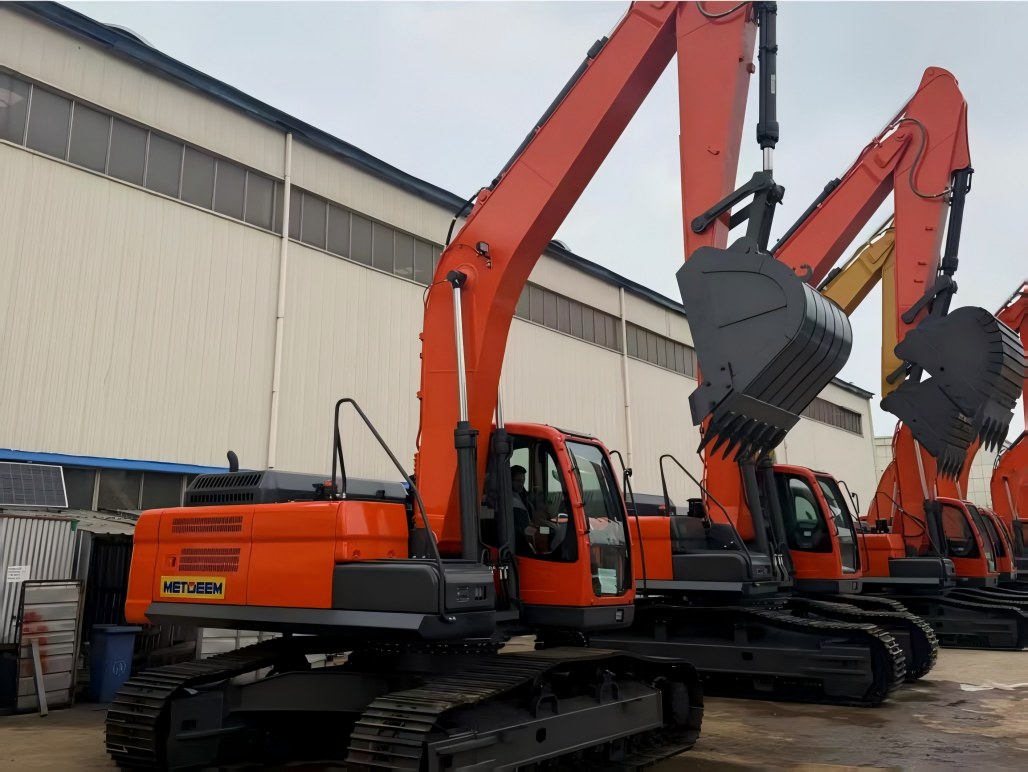
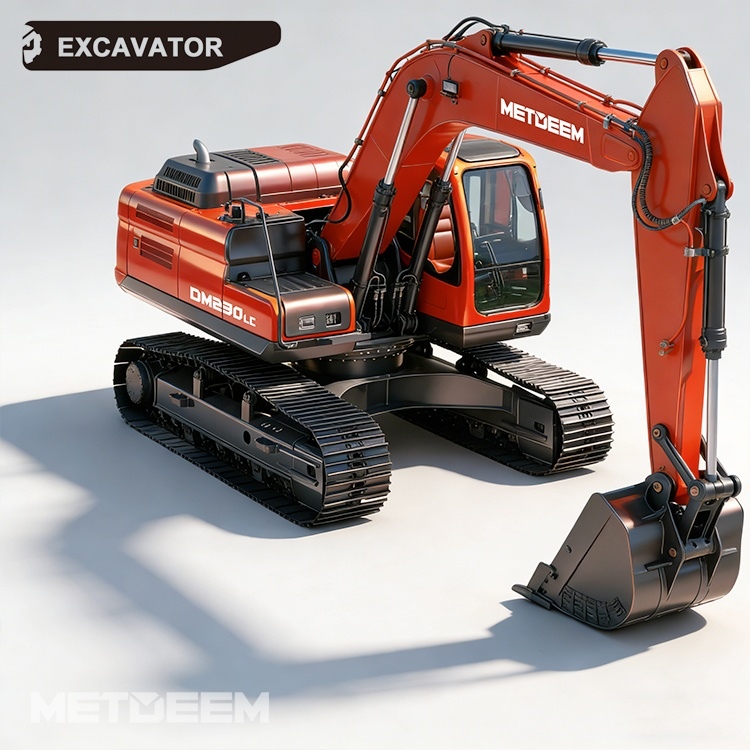
In METEEM’s crawler excavators, such as the DM230LC, every wheel setup has solid sealing setups built for lasting strength under heavy weights. This sturdy build works well with the seals. It helps by cutting down on harm from shakes and jolts.
Maintenance Strategies for Longevity
Proper Tension Adjustment Techniques
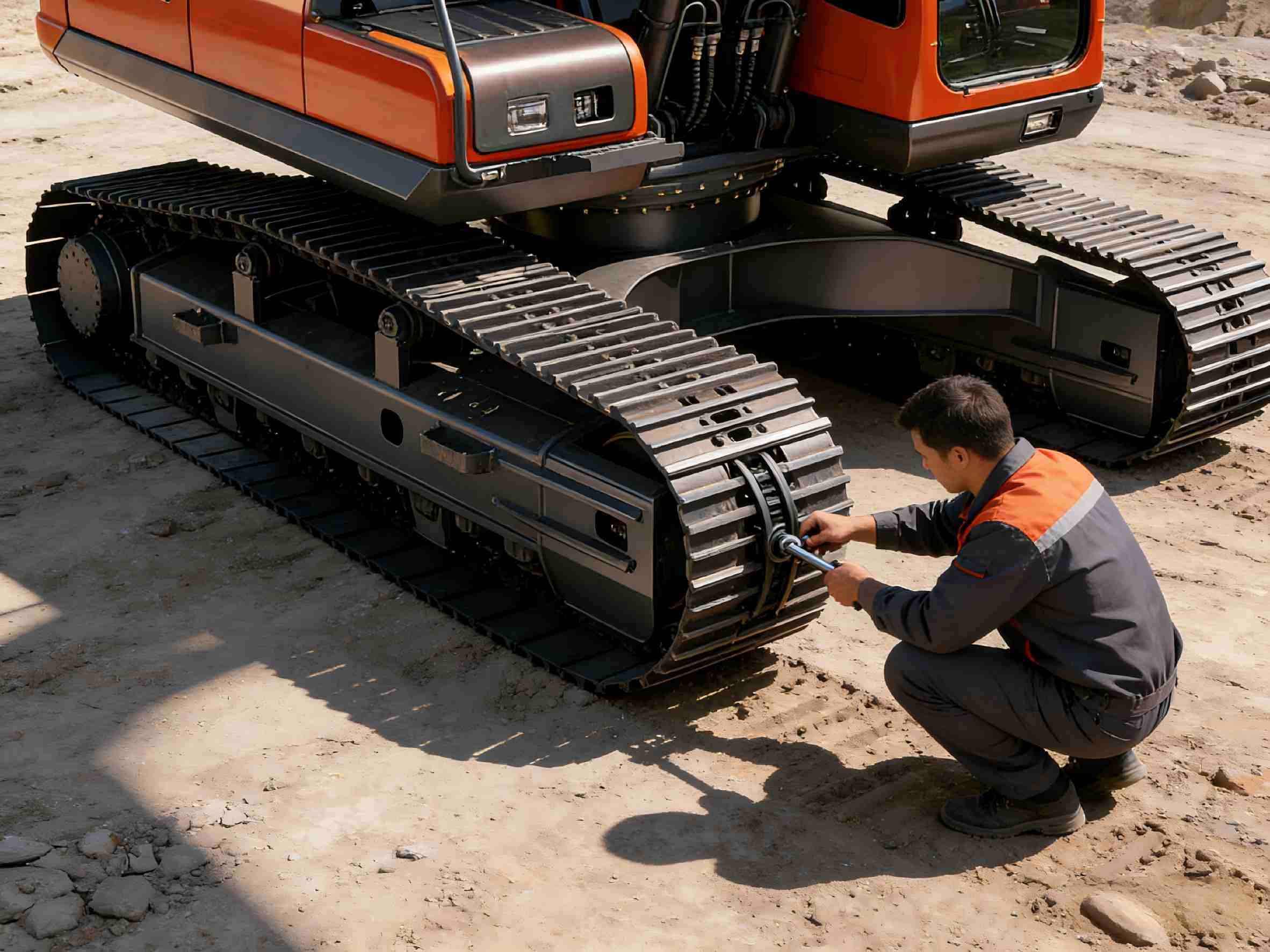
Setting the right track tension ranks as a top task for making the undercarriage last longer. Adjust the tension based on the job at hand. If it’s too tight, it adds drag while moving and leads to heavy wear. If it’s too slack, the track rubs against chassis parts in bad ways during motion. Take soft ground, for example. A bit looser tension keeps too much mud from piling up. On rough, stony spots, firmer tension gives better grip and steadiness.
Wrong tension brings on pricey problems, like sprockets getting out of line or track shoes cracking. When it’s overly tight, it puts extra load on bearings and idlers. Slack tracks, on the other hand, spread the weight unevenly over rollers. Both issues push the chassis system to wear out faster.
Daily Cleaning and Inspection Routines
Every day, clean off the buildup of junk around sprockets and rollers after a shift ends. Daily upkeep covers looking at, wiping, or swapping the air filter. It also means clearing the cooling setup, checking and securing track shoe bolts, and setting track tension right. Use a strong spray of water or air to wash mud from link gaps. Just don’t aim high-pressure blasts straight at the seals, as that could harm them.
Key spots to inspect include shoes with cracks, bolts loose on support wheels, odd sounds while traveling, or oil drips near well seals. METDEEM’s machines make these tasks easier. On models like the DM230LC, “the key oil volume capacity is clearly marked,” which helps with quick daily checks.
Operating Tips for Abrasive Conditions
Techniques for Rock and Mud Terrains
In rocky zones, careful moves reduce hard hits to the tracks. Steer clear of twisting tracks hard against solid faces. That action wears metal quicker than most folks think. For muddy ground, drivers should back up slowly now and then to shake loose stuck soil from undercarriage spots. Mechanical impurities sneak into machines via outside paths and small openings. Once inside, they eat away at parts and boost wear speed. So, stopping mud from building up proves key for fighting rust and decay.
METDEEM’s excavators come with tough frames fit for rough spots. The DM230LC, powered by an Isuzu engine and Kawasaki pump system, provides ample power and quick response even as pull resistance climbs in wet mud.
Impact of Trenching on Undercarriage Components
Trenching puts tracks under focused side push from walls or packed dirt layers. This lopsided force wears rollers more on one chassis side. To ease this, workers can switch digging sides often or shift the machine’s spot regularly. That way, stress evens out. Tools like METDEEM’s DM06 Skeleton Bucket help too. It lets soil sift through better during backfill. With less packed resistance, there’s reduced pull on undercarriage parts.
Importance of Regular Checks and Replacements
Steady checks spot early trouble in all moving parts of the four-wheel drive setup in crawler excavators. Vital zones cover support wheel bearings, carrier rollers, sprocket tooth lineup, hydraulic hoses by travel motors, and well seals on idlers.
Engines that run at steady loads break down less and last longer. The same goes for keeping the load even on the undercarriage pieces. It boosts working life a great deal. Watch for signs like too much shake while going, clear breaks in chain links, heat buildup in bearings from too much rub, or ongoing hydraulic drips. These point to the need for new parts.
Al METDEEM, we focus on ahead-of-time care via our after-sales support in more than a dozen countries. Our tech experts offer advice on swap times for parts, drawn from actual field use. This helps buyers keep machines running smoothly without surprise halts.
Conclusione
Maintaining the undercarriage of your crawler excavator is more than just routine cleaning—it’s an investment in the machine’s long-term performance. By understanding the mechanisms behind undercarriage wear, implementing strategies such as proper tension adjustment, sealing, and regular inspections, you can drastically reduce the risk of early failures and expensive repairs.
If you’re looking for expert advice on maintaining your crawler excavator or need support for parts replacement, don’t hesitate to reach out to our after-sales support team. At METDEEM, we provide personalized maintenance recommendations to help you get the most out of your equipment. Get in touch with us today and keep your fleet performing at its peak!
Domande frequenti
Q: How often should I inspect my crawler excavator’s undercarriage?
A: Inspections should be performed daily for visible damage or debris buildup and weekly for detailed checks after operating in abrasive conditions.
Q: What are common signs that indicate my well seals need replacing?
A: Look for oil seepage around idlers or support wheels, unusual grinding noises during travel, or accelerated bearing wear—these suggest seal failure.
Q: Can incorrect track tension lead to expensive repairs?
A: Yes. Over-tightened tracks strain rollers and idlers, while loose ones cause derailing risks; both result in costly replacements if ignored.
Q: Why is daily cleaning critical after working in mud or gravel?
A: Because trapped debris acts as an abrasive agent that erodes metal surfaces over time, cleaning prevents this cumulative damage.