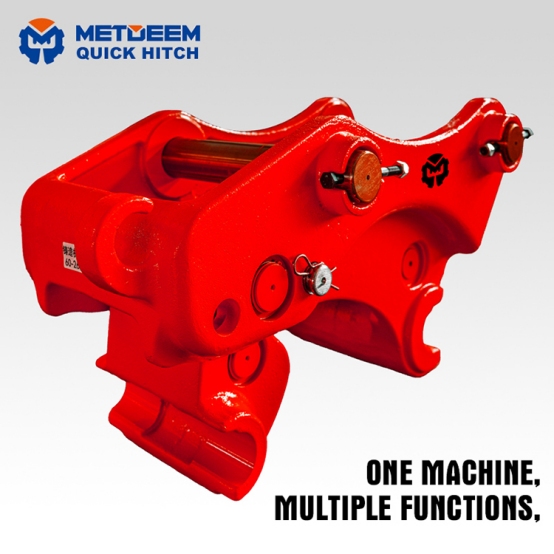
Clearing land does not just rely on chainsaws, hand tools, or massive single-purpose machines anymore. Today, workers on many job sites choose a single excavator. They pair it with different attachments to handle plant growth, dirt, water flow, and general site setup. In this setup, a hydraulic brush cutter stands out as a highly practical tool.
Once you mount it on an excavator, this device easily cuts through tall grass, tough weeds, dense brush, and even small trees. It reaches spots that standard mowers simply cannot handle. The tool proves incredibly useful on sharp inclines, road edges, and riverbanks. It also works well in fields, public parks, and building zones. In these places, safe entry and movement often present serious hurdles.
What Is a Hydraulic Brush Cutter?
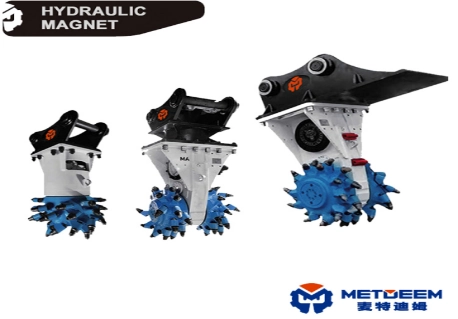
A hydraulic brush cutter serves as a reliable excavator attachment. The auxiliary hydraulic system of the base machine powers it. It does not need a standalone engine. Instead, it relies on pressurized hydraulic oil. This fluid drives a strong motor, which spins the blades. After that, the active cutting head quickly removes plants across a broad workspace.
Based on its specific shape and build, people might call this attachment a hydraulic mower, a vegetation cutter, a mulcher, or an excavator brush cutter. Regardless of the exact name, the primary goal remains the same. It clears away unwanted plants at a faster pace. At the same time, it greatly reduces the need for hard physical labor.
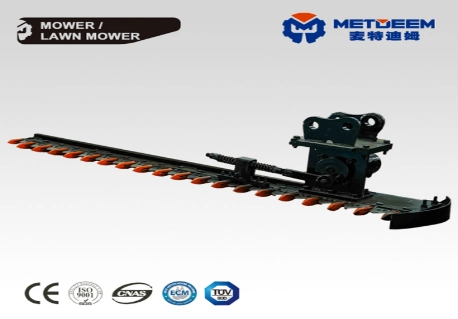
Here at METDEEM, we design our hydraulic lawn mower for effective grass trimming, general landscaping, garden shaping, and total vegetation control. The attachment pairs well with excavators ranging from 0.8 to 50 tons. You just need to ensure the hydraulic pressure and fluid flow match the tool properly.
Main Components and Working Principle
The basic build of a hydraulic brush cutter normally features a tough steel frame, a hydraulic motor, and a spinning shaft. It also contains sharp cutting blades, a sturdy protective cover, a mounting bracket, and heavy-duty hydraulic hoses. Certain models feature an extra overload protection system. This mechanism helps shield the motor and the blades. It activates if the cutter suddenly strikes hard rocks or unseen debris.
The daily operating process remains quite simple:
- First, the excavator pumps hydraulic oil directly to the motor.
- Next, this motor rotates the central blade shaft.
- The moving blades slice through grass, bushes, and thin woody stems.
- Meanwhile, the metal protective cover traps loose, flying dirt and debris.
- Finally, the main excavator arm sweeps the cutter smoothly across the target zone.
You should note that this attachment does not replace an excavator hydraulic breaker. A breaker exists specifically to smash concrete and solid rock. On the other hand, a brush cutter focuses entirely on living vegetation. Picking the correct tool for your specific material matters greatly. It ensures worker safety and extends the overall service life of the equipment.
Where Can a Hydraulic Brush Cutter Be Used?
The true value of a hydraulic brush cutter lies in its long reach and high flexibility. It operates easily beside busy roads, on steep hills, and near deep drainage channels. It also excels in tight spaces where large tractors cannot travel without risk. The heavy excavator can sit firmly on solid, stable ground. Meanwhile, its long arm stretches out to manage plants located much farther away.
Before exploring specific daily uses, contractors must evaluate the current site conditions. They need to look at plant thickness, hill steepness, available entry space, and the actual size of their excavator. These important details help them make a smart decision. The facts will show if a compact mower, a rugged heavy-duty cutter, or a dedicated mulching head fits the job best.
Roadside and Riverbank Maintenance
Wild roadside plants often hide important traffic signs. They lower driver visibility and can severely damage water drainage paths. Old-fashioned manual clearing takes a lot of time. This is especially true when the target area stretches far or features very dense brush. By using a hydraulic brush cutter, a single operator can clean up a massive section of plants. They do this comfortably from inside the safe excavator cab.
The equipment also proves highly effective along riverbanks and wet drainage zones. The heavy excavator stays securely away from soft, unstable dirt. At the same time, the cutter extends outward across the messy bank. This smart method keeps human workers safer. It removes the dangerous need for them to stand on steep, wet, or slippery slopes.
METDEEM states that our hydraulic lawn mower fits perfectly into many environments. These include public parks, busy industrial sectors, muddy riverbanks, and open sports fields. It also tackles overgrown farming plots or unused commercial land with ease.
Steep Slopes and Difficult Terrain
Steep slopes create serious safety problems for tractors and handheld equipment. A machine may lose balance, slide, or expose workers to falling branches and flying stones. With an excavator brush cutter, the base machine can stay on a flatter surface while the boom handles the cutting work.
This arrangement is useful for:
- Highway embankments
- Railway banks
- Mountain roads
- Canal sides
- Quarry edges
- Flood-control areas
- Construction site boundaries
The operator should still work carefully. The cutter must not be forced into the ground, and the excavator should remain within its safe working range.
Agriculture, Forestry, and Land Reclamation
A hydraulic brush cutter can also support agriculture and forestry work. It can clear weeds before planting, remove light brush from unused land, and maintain access paths. In forestry areas, it may help manage undergrowth and small vegetation around roads or working zones.
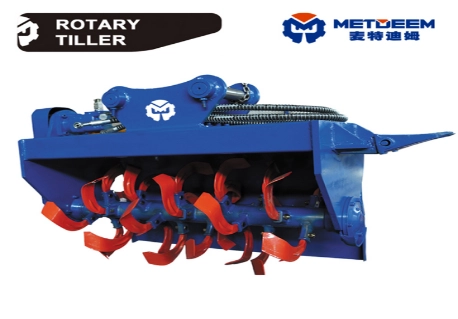
For heavier land preparation, contractors may combine the cutter with a rotary tiller. The METDEEM hydraulic rotary tiller is designed for soil cultivation, ditching, weeding, and soil pulverization. This creates a useful work sequence: cut vegetation first, then loosen and prepare the soil.
How Does a Hydraulic Brush Cutter Improve Efficiency?
The biggest advantage is not only cutting speed. It is the ability to use one excavator for several connected tasks. The machine can clear vegetation, prepare land, clean drainage, and change to other breaking equipment when the project requires it.
METDEEM’s hydraulic drive and alloy blades can clear vegetation much faster than manual labor. We also highlight protective covers, overload protection, and compatibility with different excavator sizes.
Lower Labor Demand
Manual clearing often requires several workers, especially when the vegetation is dense. Workers must carry tools, move cut branches, and remain close to flying debris. A hydraulic brush cutter allows the operator to complete much of the work from inside the cab.
This can reduce:
- Manual cutting time
- Worker exposure to sharp branches
- Cleanup delays
- Equipment transport
- Dependence on separate mowing machines
The exact saving depends on vegetation type, operator skill, and site conditions. Still, the machine-based approach is usually more consistent for long roadside or land-clearing projects.
Better Equipment Utilization
An excavator that sits idle between digging jobs is expensive. A brush cutter gives the machine another role. After excavation, the same unit may handle vegetation maintenance, slope trimming, or land reclamation.
A broader METDEEM construction machine range includes excavators, loaders, bulldozers, buckets, hydraulic breakers, and other attachments. This supports a multi-purpose fleet approach, where contractors select tools according to the next task rather than buying one machine for every operation.
How to Choose the Right Excavator Brush Cutter
Choosing a brush cutter by appearance alone can create problems. The attachment must match the excavator’s hydraulic system, lifting capacity, mounting bracket, and working environment. A cutter that is too large may overload the machine. A cutter that is too small may work slowly in dense vegetation.
Check Excavator Size and Hydraulic Parameters
Important selection points include:
- Excavator operating weight
- Hydraulic oil flow in L/min
- Working pressure in bar or MPa
- Attachment weight
- Cutting width
- Blade type
- Motor capacity
- Mounting dimensions
- Hose and quick-coupler connections
METDEEM recommends confirming the excavator’s tonnage and hydraulic pressure before selecting a model. Smaller excavators from 1 to 6 tons may use compact mower heads, while machines above 7 tons can support wider and stronger attachments for dense vegetation.
Match the Cutter to the Vegetation
Fine grass does not need the same cutting head as thick shrubs or small saplings. Contractors should describe the actual work condition before ordering.
Consider:
- Grass and weeds
- Tall reeds
- Dense brush
- Small trees
- Crop residue
- Bamboo or woody plants
- Rocky or debris-filled ground
For heavy vegetation, stronger blades and a reinforced frame may be required. For lawns and parks, a lighter cutter with good surface control may be more suitable.
Building a Practical Attachment Combination
A brush cutter usually fits into a broader excavator attachment strategy. Workers clear the plant life first. Then, the machine might need to lift logs. It could also gather scrap metal, smash concrete, or get the dirt ready.
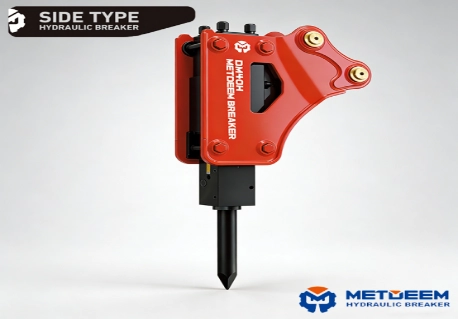
Think about an excavator timber grab for instance. It easily shifts branches and logs once the brush is gone. Next, a steel grab manages metal rubbish as teams tidy the site. Meanwhile, a hydraulic magnet picks up iron scraps near torn-down buildings. Roadways and quarries have different needs. There, crews might run a side breaker or a top type breaker. They do this right after stripping the plants and prepping the earth for building tasks.
You can look at the attachment section on METDEEM’s website. It lists grass mowers, rotary tillers, and rippers. Pile hammers and various excavator tools are there too. This wide choice lets builders create a highly adaptable fleet. They no longer have to depend on just a single tool for all their duties.
Take back-end mining zones as a good example. A brush cutter can open up entry paths there. After that, workers bring in a breaker, a grab, or a magnet. The main trick is setting up a smart work order. This way, every single attachment does its specific job very well.
Maintenance and Safety Tips
A hydraulic brush cutter operates amid heavy dust, wetness, and strong shaking. The ground conditions change constantly as well. Basic upkeep goes a long way. It shields the hydraulic motor and bearings. It also keeps the cutting shaft and blades safe.
Users must look out for these things:
- Blade damage and cracks
- Loose bolts
- Broken hydraulic hoses
- Leaking oil
- Strange bearing sounds
- State of the safety shield
- Worn mounting pins
- Junk stuck inside the cutter
You must stop the cutter entirely before checking or washing it. Drivers need to keep bystanders far from the active zone. The machine can easily throw rocks, sticks, and metal bits while it chops.
Stay away from buried wires, pipes, and fences. Watch out for big rocks too. You should only cut there if someone has checked the space first. Never push the cutter into stuff that is too thick for it. Proper handling protects the add-on tool and the main excavator.
Conclusion
A hydraulic brush cutter transforms a standard excavator into a versatile plant-control unit. It wipes out tall grass, bushes, and roadside weeds. It also handles riverbanks and thin forest spots. This cuts down on hard manual work and offers superior reach. The tool shines on sharp hills and rough ground. Tractors and manual gear often cause safety worries in those places. Builders need to pair the cutter with the excavator’s exact weight to get top results. They must check the hydraulic flow, pressure, plant type, and site layout. A smartly planned tool group brings extra worth. An excavator timber grab picks up the leftover branches. A hydraulic magnet sweeps up the scrap metal. Breaking gear then steps in for later tear-down phases. Proper driving and steady upkeep make a huge difference. A hydraulic brush cutter boosts output across numerous kinds of land-clearing jobs.
FAQs
Q: What is a hydraulic brush cutter used for?
A: It cuts grass, brush, weeds, reeds, and small vegetation using an excavator’s hydraulic system.
Q: Can a hydraulic brush cutter cut small trees?
A: Yes, suitable heavy-duty models can cut small trees and woody vegetation.
Q: What excavator size can use a hydraulic brush cutter?
A: METDEEM models can match excavators from 0.8 tons to 50 tons, depending on hydraulic specifications.