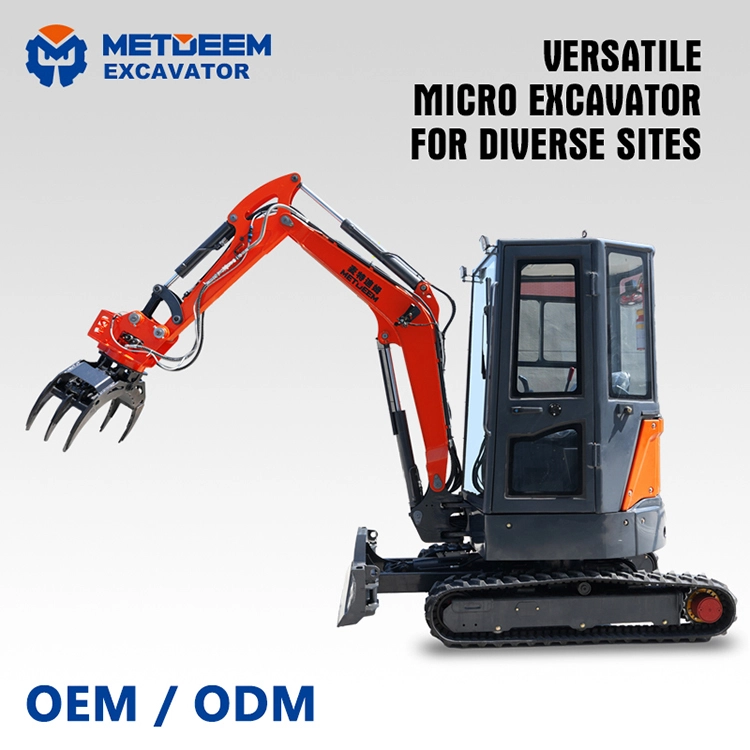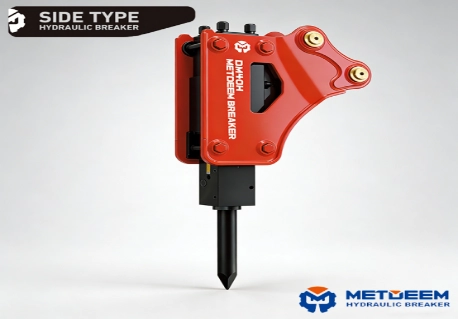
Today, excavators do various jobs at building sites. Builders frequently use a single machine for several duties. They might break concrete, sort waste, or lift heavy rocks. They also drill holes, clear trenches, and transport supplies. Because of this, excavator attachments represent a major purchase for contractors in 2026. However, picking the proper excavator attachments takes careful thought. You cannot just buy the toughest tool. You also should not just grab the cheapest item. Every tool has to fit the machine properly. It must align with the excavator’s weight and hydraulic flow. The pin size needs to be exactly right. The local work conditions and the specific material type matter too. A bad pairing causes real problems. It brings poor results and burns extra fuel. The equipment might become unsteady or leak fluid. Parts will also break down much faster. Businesses should follow these basic guidelines. Doing so keeps their equipment safe. It also ensures steady output during various building jobs in 2026 and the years ahead.
Quick Hitch Systems for Faster Tool Changes
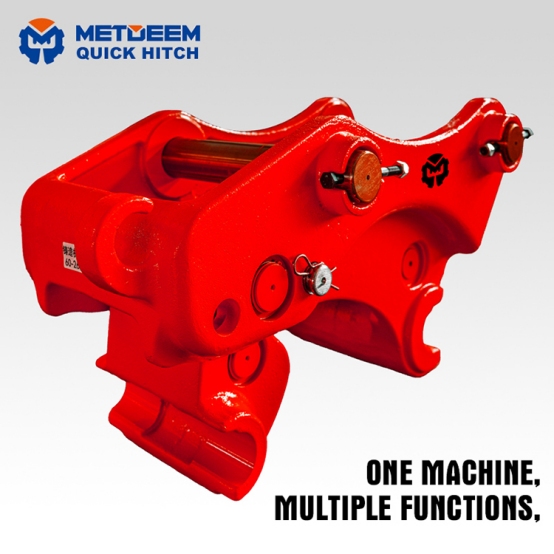
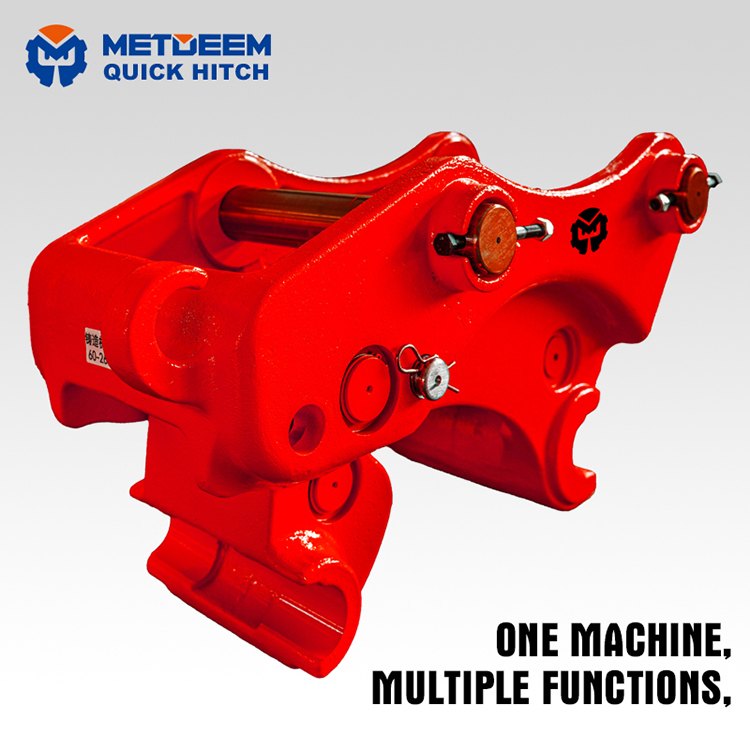
A quick hitch ranks among the most useful attachment systems for contractors who switch tools regularly. It links the excavator arm to various attachments.
Without a quick hitch, workers must often exit the cab. They then remove pins, align the attachment, and install it by hand. This process takes extra time and raises safety risks. A reliable quick hitch lets the operator switch tools more quickly. As a result, the machine stays productive for longer periods each day.
Hydraulic Quick Hitch
A hydraulic quick hitch relies on the excavator’s hydraulic system to manage the locking mechanism. The operator can switch attachments directly from the cab. This feature proves especially helpful on sites that require frequent tool changes.
Nossa quick hitch products are designed for contractors who want faster attachment changes and safer daily operations. We offer both hydraulic and mechanical options. These suit different excavator sizes and working preferences.
Ataque rápido mecânico
A mechanical quick hitch remains simpler in design and usually more affordable. It commonly uses a manual locking pin or screw adjustment. This type works well for smaller machines or for users who change tools less frequently.
No matter which type you select, check the locking points, pins, bolts, and safety parts on a regular basis. A loose quick hitch can cause tool vibration, unsafe movement, and faster component wear.
Excavator Buckets for Digging, Loading, and Sorting
Rock Bucket
A rock bucket is built for hard soil, gravel, stone, and demanding digging tasks. It typically features stronger plates, reinforced wear zones, durable teeth, and a wide opening to handle larger rocks.
A standard bucket may wear out quickly in tough material. A rock bucket delivers greater strength and extended service life. Still, it must match the excavator size correctly. If the bucket weighs too much, the machine can become slower and less stable.
METDEEM offers bucket attachments for various working conditions. These include rock buckets, skeleton buckets, clamshell buckets, clamp buckets, and screening buckets.
Bucket Skeleton
A skeleton bucket serves to separate loose materials. It functions like a standard bucket during digging. However, finer material passes through the gaps while larger stones, roots, waste, or debris stays inside.
The gap size plays an important role. If the grid gap is too wide, useful material may escape. If it is too narrow, the separation process slows down. Contractors should select the gap size according to the material they handle most frequently.
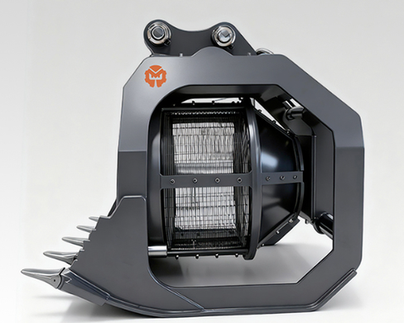
Screening Bucket
A screening bucket employs hydraulic power to separate soil, sand, stone, and mixed materials. It can screen and classify these materials right on the job site.
Grapples for Handling, Sorting, and Recycling
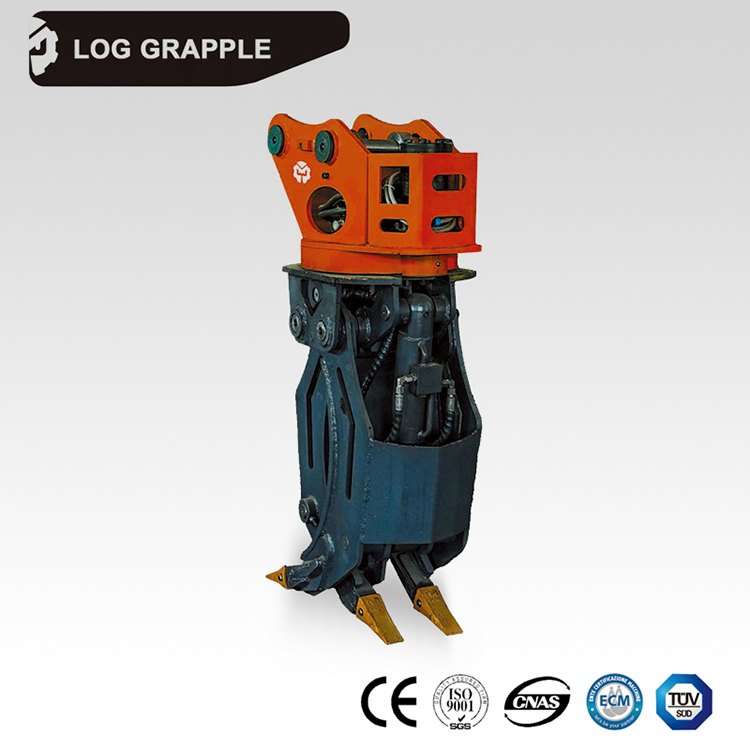
Hydraulic Log and Stone Grapple
A hydraulic log and stone grapple relies on hydraulic cylinders to open and close its jaws. Certain models also provide 360° rotation. This capability allows the operator to position materials with greater precision.
Nossa grapple attachments cover tools for rock, log, steel, sorting, and additional handling applications. We design them to offer strong gripping force, good wear resistance, and smooth operation.
Steel Grab and Orange Peel Grapple
A steel grab is intended for scrap steel, heavy waste, and industrial material handling. It requires strong closing force and sturdy teeth. An orange peel grapple performs better with loose, light, and scattered materials.
The shape and weight of the material should guide the choice of grapple type. Long steel, small scrap, wood, stone, and broken concrete each call for distinct jaw designs.
Crusher Buckets and Pulverizers for Demolition Waste
Crusher Bucket
A crusher bucket applies hydraulic power to crush material between its jaws or crushing elements. It can reduce bricks, concrete, rocks, and similar items into smaller sizes. Some models permit adjustment of the output size.
A crusher bucket can ease transport demands. This benefit is especially useful in urban areas, on narrow roads, and at sites with restricted storage. Before purchase, verify feed size, output size, excavator weight class, hydraulic flow in L/min, and the cost of wear part replacement.
Pulverizer
A pulverizer serves to crush concrete and to separate steel bars from reinforced concrete. It features movable and fixed jaws that operate under hydraulic pressure. This equipment breaks down concrete effectively while pulling out embedded steel bars at the same time. The device relies on its movable and fixed jaws, which work together smoothly through hydraulic pressure. These jaws apply consistent force during operation.
Use a pulverizer for:
Concrete demolition
Reinforced concrete separation
Secondary crushing
Waste sorting
Recycling preparation
Shears for Steel Cutting and Structural Demolition
Hydraulic shears cut steel, pipes, beams, tanks, vehicles, and metal structures. They operate much like heavy-duty scissors powered by hydraulic cylinders. In factory demolition and urban renewal projects, these tools help contractors dismantle structures with improved control and precision. The equipment provides dependable performance in tough working conditions. These shears deliver reliable results across demanding environments. They support efficient material processing in various industrial applications. Contractors often choose them for their consistent output and ease of integration with existing machinery.
Use hydraulic shears for:
Steel structure demolition
Scrap steel processing
Vehicle dismantling
Old factory removal
Pipe and beam cutting
Recycling yards
Augers, Rippers, and Compactors for Site Preparation
Not every attachment focuses on demolition. Many contractors also require tools for drilling holes, breaking up hard ground, and compacting soil after backfilling operations.
Auger Drill
An auger drill employs a hydraulic motor to turn a drill bit. It creates holes in soil, clay, sand, frozen ground, and weathered rock.
Use an auger drill for:
Fence posts
Tree planting
Utility poles
Foundation holes
Farm work
Landscaping
The drill bit, motor torque, and hole diameter must suit the soil conditions.
Ripper
A ripper loosens hard soil, frozen ground, weathered rock, and compacted layers before digging begins. It reduces strain on the bucket and improves overall digging efficiency. Choose a ripper when the bucket struggles to penetrate the ground or when the material proves too firm for standard digging methods.
Hydraulic Plate Compactor
A hydraulic plate compactor compacts soil, gravel, and backfill material effectively. Workers often apply it during trench work, road repair, foundation backfill, and pipeline installation projects. It also reduces surface cracks. In addition, it helps avoid the need for repeated repairs. The equipment delivers reliable performance in demanding conditions. Operators rely on it to achieve proper density in various fill materials. Proper compaction supports long-term stability of the ground. It minimizes the risk of settlement over time.
Conclusão
Excavator attachments have grown into vital tools on today’s construction sites. By 2026, contractors will rely heavily on these attachments to reduce project timelines, control expenses, and complete a broader variety of tasks with a smaller equipment fleet. A quick hitch makes it possible to switch between different implements in less time. Buckets improve performance in digging, cleaning, and sorting work. Breakers, crusher buckets, pulverizers, and shears enable faster and more effective demolition and recycling processes. Grapples make material handling and loading tasks simpler while raising overall efficiency. Augers, rippers, and compactors help prepare the ground and complete final grading. Selecting the right attachment depends on the specific excavator model, the type of material, the available workspace, and the typical demands of daily operations.
FAQs
Q: What are excavator attachments used for?
A: Excavator attachments are used for digging, breaking, grabbing, crushing, screening, drilling, and compacting.
Q: What hydraulic flow do excavator attachments need?
A: Hydraulic flow depends on the attachment model; always check the rated L/min before purchase.
Q: How heavy should an excavator attachment be?
A: Attachment weight should match the excavator class; check the rated kg before purchase.