لماذا النيتروجين هو “ مصدر الطاقة” من المكسورات الهيدروليكية؟
في المهام الصعبة مثل هدم المباني أو حفر المناجم أو تكسير الطرق ، تبرز المكسورات الهيدروليكية كأدوات حيوية لإنجاز العمل بسرعة. الكثير من المشغلين والأصحاب يدركون أن التكميل إلى مقطع’ الغرفة الخلفية ، والتي تسمى أيضًا المتراكم ، مع تصنيفات النيتروجين كخطوة صيانة رئيسية. ولكن ماذا يفعل النيتروجين بالضبط؟ ولماذا تختار النيتروجين على الخيارات الأخرى؟ فهم العلم الأساسي وراءه يساعد الناس على التعامل مع معداتهم بشكل صحيح ، لذلك فإنه يعمل على مستوى الذروة. بالإضافة إلى ذلك ، فإنه يوقف الانهيارات من التعامل الخاطئ. هذه المقالة، ميتديم سوف الغوص في النيتروجين’ الوظيفة الرئيسية ، وكيفية عملها ، ونصائح الصيانة في المكسورات الهيدروليكية.
الدور الأساسي 1: توفير وتنظيم قوة التأثير
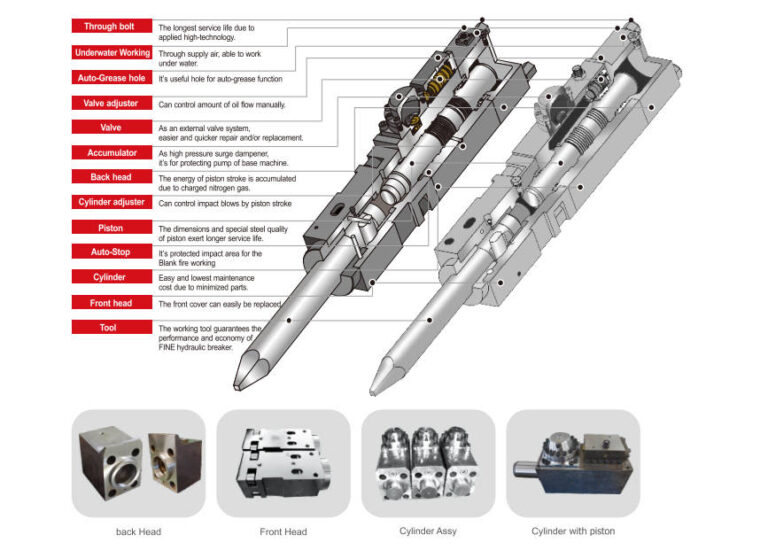
مقطع هيدروليكي’ قوة لا’ t فقط جذع من حفارة’ المضخة الهيدروليكية. بدلاً من ذلك، فإن الحيلة الحقيقية هي في الإعداد الداخلي الذي يحول الطاقة الهيدروليكية إلى ضربات حادة وقوية. يعمل النيتروجين كعنصر مركزي في هذا التحول وزيادة الطاقة.
دورة تخزين الطاقة وإطلاقها
كل ضربة من مقطع هيدروليكي تتبع حلقة طاقة ضيقة. النيتروجين يعمل مثل ربيع الغاز في هذه العملية.
- عودة السكتة الدماغية مرحلة تخزين الطاقة: حفارة’ الزيت الهيدروليكي يدفع المكبس للأعلى في المقطع أثناء السكتة الدماغية العودة. كما يحدث ذلك، المكبس’ ينزلق النهاية الخلفية إلى غرفة النيتروجين. هذا يضغط النيتروجين، وتحويل جزء من الطاقة الهيدروليكية إلى طاقة مخزنة في الغاز. لذلك ، يتراكم ضغط النيتروجين ، مثل ربيع مجروح بشدة جاهز للانتشار.
- مرحلة الإفراج عن السكتة الدماغية والتسارع: بعد ذلك ، يقلب الصمام الاتجاهي تدفق الزيت. الآن، الزيت الهيدروليكي يدفع المكبس للأمام للسكتة الدماغية الرئيسية. كل من دفع النيتروجين المتراكم وضغط الزيت ضرب المكبس ’ العودة على الفور. النيتروجين يتوسع بسرعة ، مما يسمح للطاقة المخزنة. يتعاون مع القوة الهيدروليكية لإعطاء المكبس دفعة كبيرة للسرعة. وهذا يرسلها لضربها في ذيل الخزف بقوة حقيقية، وخلق ضربة قوية.
العلاقة المباشرة بين ضغط النيتروجين وقوة التأثير
- تأثير إيجابي: في النطاق الأيمن، تحدد شحنة النيتروجين في الغرفة الخلفية لكمة كل ضربة. الضغط العالي يعني المزيد من الطاقة يتم تعبئتها خلال الضغط. ثم ، أثناء السكتة الدماغية ، يطلق سراح دفعة أكبر ، مما يؤدي إلى ضربة أصعب بشكل عام. هذه هي واحدة من المعلمات المهمة لضبط المقطع الهيدروليكي للتكيف مع المواد ذات الصلابة المختلفة (مثل الخرسانة الناعمة والصخرة الصلبة).
- قيود رئيسية: لا تزال، ورفع ضغط النيتروجين هو’ دائما الفوز. الكثير منه يجعل المكبس يقاتل بجد ضد الغاز في طريقه للعودة. إذا كان الإعداد الهيدروليكي يمكن’ t توفير ضغط زيت كاف للوصول إلى نقطة التبديل، والصمام won’ t تحويل التدفق بشكل صحيح. هذا يمكن أن يسبب المكبس لتلتع أو توقف تماما - ما يسميه المحترفون “ مقطع عالق. ” هذا’ لماذا التمسك بالصانع’ توجيهات الضغط مهمة كثيرا، عادة 10-25 بار بناء على النموذج.
الدور الأساسي 2: ضمان استقرار النظام وسلامته
بالإضافة إلى تسليم الضربات، يحافظ النيتروجين على النظام بأكمله مستقرا وآمنا. خصائصها الخاصة تجعلها تبرز لهذا.
استقرار درجة الحرارة ممتاز
في فترات طويلة من العمل الثقيل ، تتراكم الحرارة في الزيت الهيدروليكي والأجزاء المعدنية للمكسر. حجم الغاز والضغط يتغير كثيرا مع الحرارة ، كما قوانين مثل تشارلز ’ s و Gay-Lussac’ S شرح.
- مزايا النيتروجين: كونها غاز خامل ، يحمل النيتروجين سمات ثابتة. حجمها ودفع don’ ت تتأرجح بشدة مع ارتفاع درجات الحرارة. لذلك، عندما ترتفع الحرارة في موقع العمل الصيفي الحار، يبقى ضغط الغرفة الخلفية متساوية. هذا يحافظ على قوة الضربة متسقة ويوقف التروس من التصرف بسبب التحولات الدفئة.
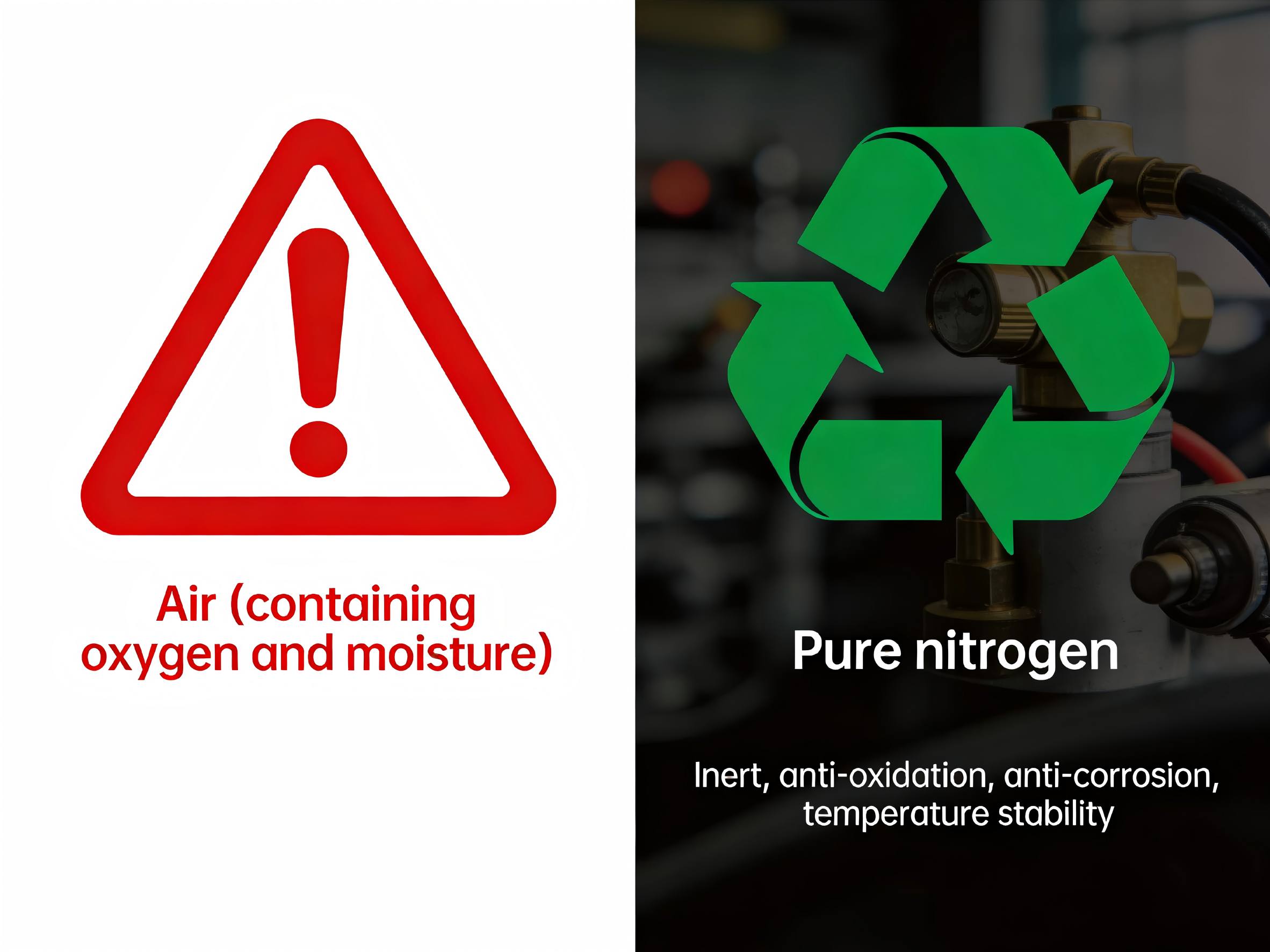
- المخاطر المقارنة: تبادل الهواء المضغوط ، الذي يحتوي على الأكسجين وبخار الماء ، وتنشأ المشاكل. يتسخن الأكسجين ويصبح حيويًا تحت الضغط ، مما يسرع انهيار الزيت وتآكل الجزء. قد يتحول بخار الماء إلى سائل ، مما يسبب الصدأ في الداخل وسوء التشحيم. والأسوأ من ذلك ، فإن ضغط الهواء يقفز أكثر مع الحرارة ، مما يرمي إلى العمل المستمر.
سلامة الغازات الخاملة
تتصدر السلامة القائمة في استخدام الآلات في المواقع.
- مقاومة للانفجار ومبطلة اللهب: النيتروجين فوز ’ t حرق منذ’ الخامل. الختم يتآكل مع مرور الوقت، مما يترك قطع من تسرب الزيت. قد تشتعل الأجزاء المعدنية من فرك. مع النيتروجين، تختفي مخاطر الحريق أو الانفجارات في الغرفة تمامًا.
- منع الأكسدة والتآكل: ملء النيتروجين يمنع الأكسجين والرطوبة. يحمي البقع الرئيسية مثل جدران الأسطوانة الخلفية وقضبان المكبس من الصدأ والارتداء. بالعبارات الحقيقية، وهذا يعني أقل صيانة وطول
الدور الأساسي 3: الاقتصاد وسهولة الوصول
إن اختيار التكنولوجيا يتضمن أكثر من مجرد مدى فعاليته. التكلفة والاستخدام الحقيقي يحسب أيضا.
تكاليف شراء منخفضة
يملأ النيتروجين حوالي 78٪ من الهواء المحيط بنا. تجعل المصانع ذلك من خلال طرق مثبتة مثل تقسيم الهواء البارد أو إعدادات التأرجح الضغط. هذه تبقي الأسعار منخفضة للإمدادات النظيفة عالية الجودة. بالنسبة للمقطعات التي تحتاج إلى إعدادات متكررة ، يعني هذا أن الصيانة تبقى بأسعار معقولة.
ملء مريح وتطبيق
- StandardizeOperation: النيتروجين’ الاستخدام الشائع يعني أنه يمكنك الاستيلاء على الخزانات المحمولة وملء مجموعات بسهولة ، سواء استئجار أو شراء. تتحول عمليات التفتيش والإضافة في الموقع إلى مهام روتينية سريعة ومباشرة للفرق الميدانية.
- صديقة للبيئة: يأتي مباشرة من الهواء ، بدون أي منتجات ثانوية سيئة في التعبئة أو التشغيل. في النهاية، فإنه يختلط مجرد مرة أخرى في السماء، وتناسب المعايير الخضراء في مواقع العمل الحديثة.
النقاط الرئيسية لصيانة نظام النيتروجين
معرفة النيتروجين’ القيمة هي شيء واحد. لكن ممارسات الصيانة الذكية تجعلها تتمسك.
- فحص منتظم: اختبار ضغط النيتروجين أسبوعيا أو بعد 50 ساعة من الاستخدام. القيام بذلك قبل بدء التحول يبني عادات جيدة ويكتشف المشاكل في وقت مبكر.
- استخدم الأدوات الصحيحة: التمسك بالنيتروجين النقي ومجموعة المقياس الصحيحة لإضافة أو نزيف. لا تربط أبدا ضاغط الهواء أو أي شيء آخر—it’ وصفة للمشاكل.
- اتبع المعلمات التقنية: دائما تفريغ الضغط القديم أولا. ثم، تطابق القيمة الدقيقة من كاسر’ دليل لتجنب التعبئة الزائدة أو القليلة.
- احتياطات السلامة: اشير إلى المنزل أثناء العمل. التمسك بقواعد الموقع لتجنب المفاجآت التي يمكن أن تؤذي شخص ما.
استنتاج
النيتروجين يذهب إلى ما وراء التعبئة الأساسية كاسحات هيدروليكية. انها تتعامل مع تدفق الطاقة ، ووسائد الصدمات ، وتضبط الناتج ، وحماية ضد المخاطر. المزيج الذكي من الغاز والعمل الهيدروليكي يحول طاقة النفط الثابتة إلى ضربات شديدة. طبيعتها الهادئة توفر ضربات موثوقة وبناء دائم عبر جميع أنواع الوظائف. للمديرين والأيدي على حد سواء، الحصول على إعداد النيتروجين الحق يفتح مقطع’ قوة كاملة ، تخفض النفقات ، وتحافظ على الأمور آمنة على الأرض.
أسئلة متكررة
س: لماذا كاسر الهيدروليكي مليء بالنيتروجين؟ Can’ أن تكون مليئة بالهواء؟
ج: لا. يحمل الهواء الأكسجين والرطوبة ، مما يشعل الأكسدة والصدأ ومخاطر الحريق عندما تسخن الأشياء. أيضًا ، يتغير ضغطها بشكل حاد مع درجة الحرارة ، مما يتعارض مع الأداء الثابت.
س: هل يعني ارتفاع ضغط النيتروجين مقطع هيدروليكي أقوى؟
ج: في حدود، نعم. ولكن الذهاب على صانع’ يمكن لـ s max منع عودة المكبس ، مما يؤدي إلى تعطل أو حطام في النظام.
س: كم من المرات يجب فحص النيتروجين أو تجديده؟
ج: تحقق من ذلك أسبوعيا أو كل 50 ساعة من وقت التشغيل. النيتروجين يتسرب قليلاً بعد قليل، لذلك قم بعودته إلى المواصفات من وقت لآخر.
س: ما هي الاحتياطات الخاصة التي يجب اتخاذها عند ملء النيتروجين؟
ج: نزف الضغط القديم أولا. استخدم النيتروجين النظيف ومقياس التعبئة المناسب. ضرب الضغط الدقيق من العتاد’ وثائق.
س: كيفية تحديد ما إذا كان ضغط النيتروجين في مقطع هيدروليكي غير كاف؟
ج: ابحث عن الضربات الناعمة ، أو السرعة المنخفضة ، أو ضوضاء المكبس المسطحة ، أو التشويش بدون إعادة الإعداد. ابدأ باختبار مستوى النيتروجين.