Is Your Used Excavator Thumb the Right Fit for Your Equipment?
A used excavator thumb can transform a standard excavator into a highly versatile tool for eg. sorting of concrete, holding of timber, clearing of brush and loading of crushed material. However, a low purchase price is not necessarily sufficient. A used thumb must match the weight of the excavator, the pin configuration, the hydraulic system, the bucket and the working hours per day. A wrong choice could lead to reduced stability, higher consumption of fuel and above all: idleness.
Contractors, rental managers and buyers can use this guide to assess used excavator thumb attachments prior to purchase. It also details how to use thumb attachments in conjunction with hydraulic breakers and other breaking equipment to fulfill multiple tasks with one machine.
Why Fit Matters More Than a Low Used-Equipment Price
There is considerable business in the used attachment market. Contractors are looking to manage capital expenditure whilst keeping productive during economic uncertainty. Buying used attachments, however, brings its own set of problems and there is the risk that some attachments may have incomplete service histories and look and sound to be in good condition but have worn pins, worn bushings or a worn out cylinder nearing end of life. A simple fit check can prevent damage to the carrier and provide a better buying experience.
An excavator thumb adds weight to the end of the arm. It can also change the balance point of the bucket and therefore the load on the boom. If the thumb is too heavy for the arm it can make the machine unstable when lifting items such as wet logs or dense concrete blocks. If the thumb is too small the jaws will not close enough to grab the material and so the operator will have to reposition it.
Check the Excavator Before You Inspect the Thumb
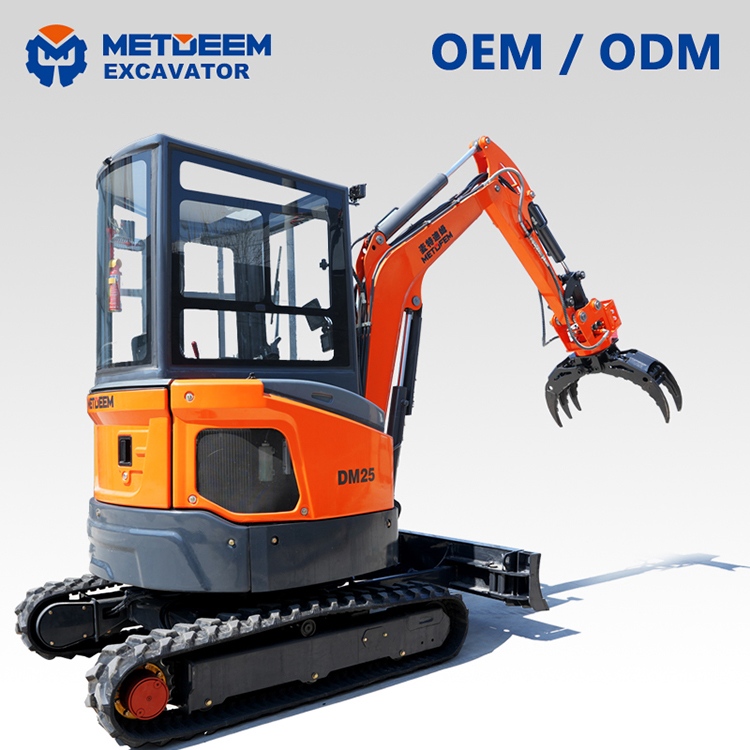
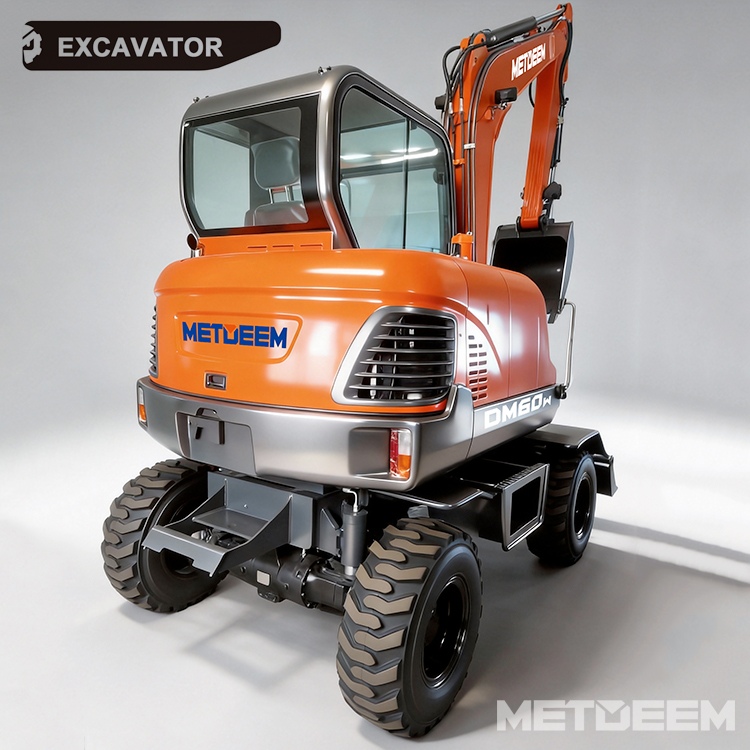
Focus on the carrier, not the seller’s model name for their used seller models. List the weight of the carrier, the width of the bucket, the dimensions of the stick end, the pin diameter and pin center line spacing. List all of the available aux lines. This data provides a basis for determining what used excavator thumb models will fit on the carrier. This same data can then be used to compare a thumb with a breaker, a pulverizer or grapple that may be used on the same machine.
Confirm excavator capacity in tons and balance
Manufacturers normally group attachments by excavator capacity in tons. Use that range as a safety screen, then check the actual weight of the used thumb and its mounting bracket. A compact excavator used for landscaping may need a light mechanical thumb, while a heavier machine used in demolition can carry a larger hydraulic thumb. Do not assume that a stronger carrier makes every oversized attachment safe.
Test the boom with the bucket lifted empty then loaded with typical material. Look for slow movement, excessive front-end drop or frequent release of the hydraulic relief valve. This type of operation could indicate an over-sized attachment or an under-sized circuit.
Match hydraulic flow, pressure, and fuel usage
Some mechanical thumbs are powered by hydraulic cylinders. A hydraulic thumb requires a specific hydraulic flow rate, working pressure, hose size and valve control. The excavator must be able to supply smooth oil supply without overheating. Too little flow will result in insufficient closing force. Too much flow creates excessive heat and excessive fuel consumption.
One breaker may need entirely different flow to operate as a thumb, pulverizer or shear. A written hydraulic chart is so much better than advertising an “universal” attachment. Compare the carrier’s actual measured auxiliary flow with the required flow for the chosen attachment.
Verify pin, bracket, and quick hitch compatibility
Instead of relying on images of a thumb’s mounting points, measure them for pin diameter, centre-to-centre spacing, bracket width and the space around the bucket cylinder. Also check for quick hitch compatibility when the excavator is equipped with a quick hitch. Check the coupler for full engagement in both locked and unlocked positions of the quick hitch and make sure the safety lock is visible before lifting.
Tiny geometry errors can cause big problems operating your machine. A thumb that is too close to the bucket will pinch the hose. A thumb that opens too far will hit the boom or lose grip. Test the actual bucket before you buy.
Match the Thumb to the Work Sequence
An attachment is part of a workflow and thus needs to be planned in the sequence of the tasks of a workflow before the choice of the thumb can be made. While demolition work may require to break up a slab and then to hold up parts of it and to sort out steel and then to load up the rest of the pieces in one shift of work, the sequence of tasks of work of forestry and land-clearing work will be entirely different from that of road work, which in turn may alternate between the tasks of jack hammering and of using the excavator for material handling.
Pair the thumb with breaking equipment
A breaker can be used to first break up the concrete or rock. The loose pieces are then held by the thumb and the concrete is crushed by a hydraulic pulverizer. A mechanical grapple bucket can then sort out the timber, rebar, etc. from the mixed debris and this be loaded by hand or saved for later transport, thus keeping the excavator active after the hammer has stopped.
For working on hard ground, operators searching for excavator attachments will often look for “jack hammer excavator” or “hydraulic hammers”. In order to choose the right attachment for your application, it is still important to check if the carrier is able to provide the necessary flow and pressure and if it will stay stable. Terms like “chargeur construction” and “skid steer jack” may refer to different types of machines or even markets. Make sure to clearly state the type of carrier you are using when inquiring for attachments.
Plan for changing site conditions
There are significant differences between rear mining work, trenching and urban demolition work and associated access / safety constraints. A thumb designed for use near buildings will typically be designed to provide controlled movement and low side force. In contrast, a thumb used in quarrying will require wear protection and easy access to pins. The use of a quick hitch to reduce attachment change time is independent of the need to check the lock after every change and to ensure that the attachment is level.
In the current practice of fleet management, fewer idle machines are preferred. In order to make better use of space between sites, one single carrier, the excavator, can be used for breaking, sorting and loading, as opposed to moving three carriers around tight sites. However, all attachments must be used within the machine’s rated capacity.
Use This Inspection Checklist for a Used Thumb
An inspection includes measurements, movement tests as well as service records. Dirt in the mounting area has to be removed and cleaned from the surface before judging wear. Seller not willing a functional test to be carried out? Then treat this as a cost risk and budget for a professional inspection.
Inspect steel, pins, bushings, and the cylinder
Examine the machine for cracks around bracket, any weld repairs that are not documented, deep grooves in pins, and uneven wear on bushings. Slowly extend and retract the hydraulic cylinder. It should move slowly without jerking or oil leakage. Also check for scoring on rod and wetness in gland.
Determine critical clearances and compare to manufacturer’s specified limits. Minor finger tip clearance can translate into large shock forces when heavy materials are grasped by the thumb. While some bushings may be replaceable components, a severely distorted bracket or cracked main frame component requires serious consideration of replacement versus repair.
Review records and future parts access
Ask how the thumb was used, what material it handled, and when pins, seals, or hoses were changed. Photos from earlier work can reveal whether it spent its life in light sorting or severe demolition. Confirm that replacement parts, grease points, and technical drawings are available in your market.
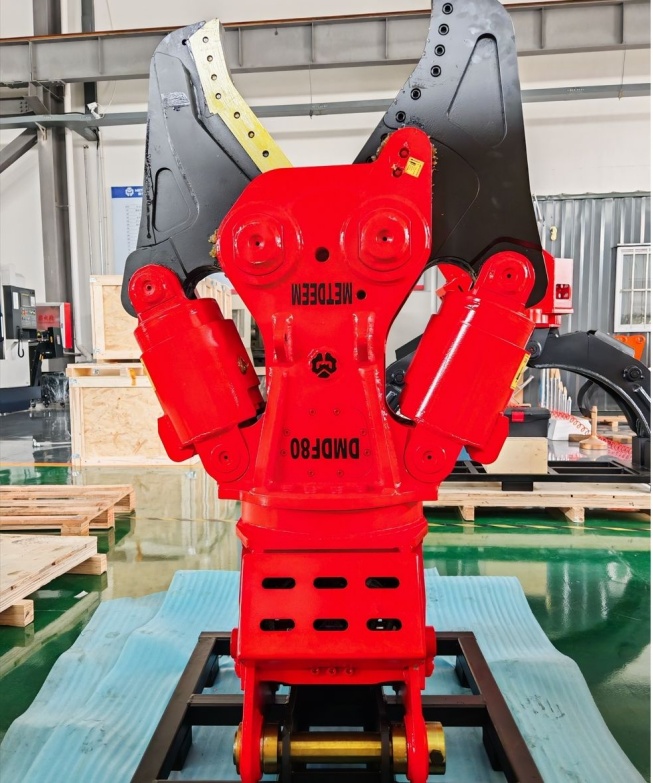
METDEEM publishes attachment information for buyers comparing كاسحات هيدروليكية and other excavator tools. We recommend matching the attachment to the carrier first, then checking wear parts and service access. Our broader construction machine range helps buyers plan a complete attachment set rather than a single isolated purchase.
How METDEEM Supports Practical Attachment Planning
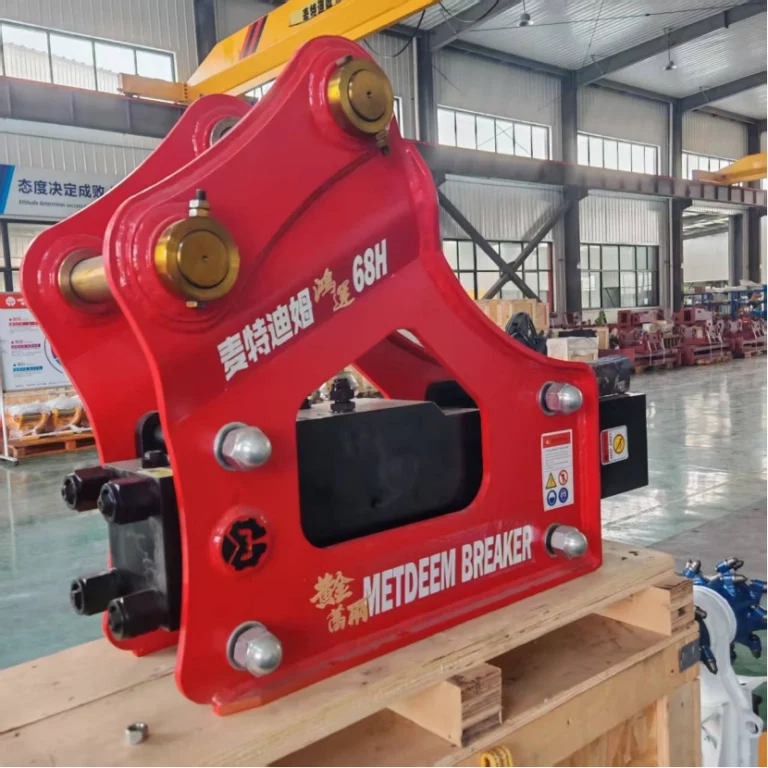
At METDEEM, we design and supply excavator attachments for construction, demolition, quarrying, mining, and material handling. Our hydraulic breakers are available in different structures and carrier classes, so buyers can compare working position, chisel size, and hydraulic demand. We also discuss the job material and operating pattern before recommending a model.
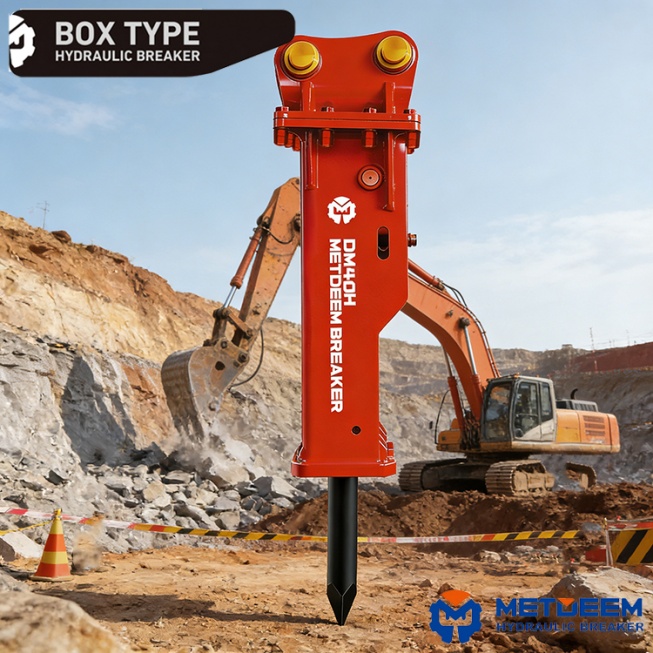
لدينا company profile outlines our manufacturing background and quality approach. Buyers can also review our exhibition activities to see the types of equipment conversations we bring to industry events. For a specific breaker reference, the DM40 box-type model shows how enclosed construction can suit controlled demolition environments.
استنتاج
The right used excavator thumb attachment is the one that fits the carrier, the bucket, the hydraulic circuit, and the real work sequence. Check excavator capacity in tons, mounting measurements, quick hitch compatibility, cylinder condition, and service history before comparing prices. Then consider how the thumb will work with a breaker, hydraulic pulverizer, or mechanical grapple bucket after material is opened. This practical review reduces downtime, protects fuel usage, and makes one excavator more useful across changing sites. It also gives operators a clear way to compare repair risk, transport needs, and expected working hours. At METDEEM, we help buyers connect attachment choice with working conditions, maintenance needs, and long-term fleet plans.
FAQs
س: How do I check a used excavator thumb fit?
A: Compare pin spacing, bracket width, excavator weight in tons, and required hydraulic flow in L/min.
س: Can a thumb share an excavator with hydraulic breakers?
A: Yes, if each attachment matches auxiliary flow in L/min, pressure in MPa, controls, and carrier limits.
س: What excavator capacity in tons suits a used thumb?
A: Use the rated range, then verify attachment weight in kg and balance with your actual bucket.