Importing a mini excavator helps contractors, rental companies, farm owners, and small construction teams control costs and increase job flexibility. These compact machines can enter narrow sites. They dig trenches, repair roads, support landscaping work, clean ditches, handle farm water projects, and complete light demolition tasks.
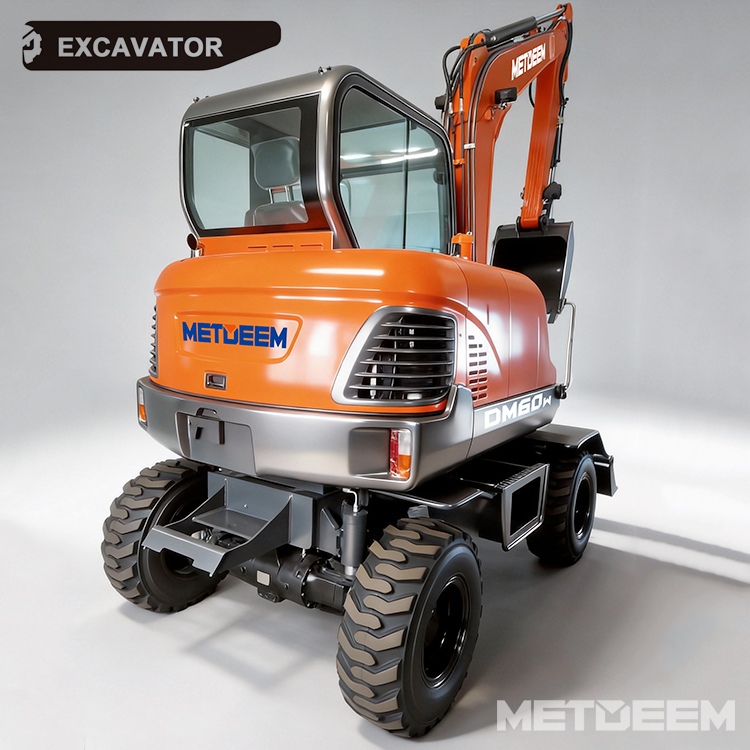
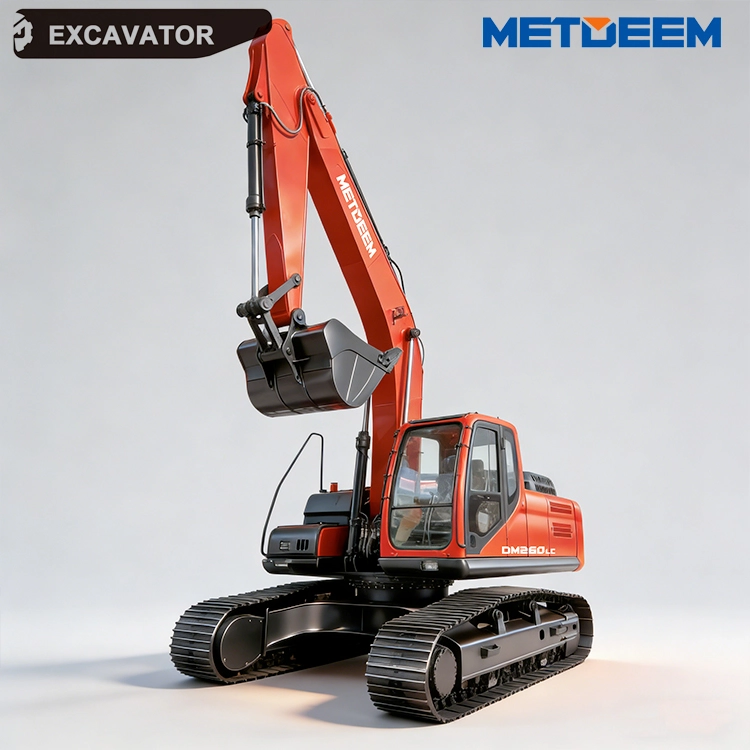
Bei METDEEM, we build construction machinery and parts for users who value practical field performance. Our products cover compact excavators, crawler excavators, wheeled excavators, bulldozers, loaders, and excavator attachments. This guide explains what contractors should check before importing a mini excavator.
Match the Mini Excavator Size with Real Job Conditions
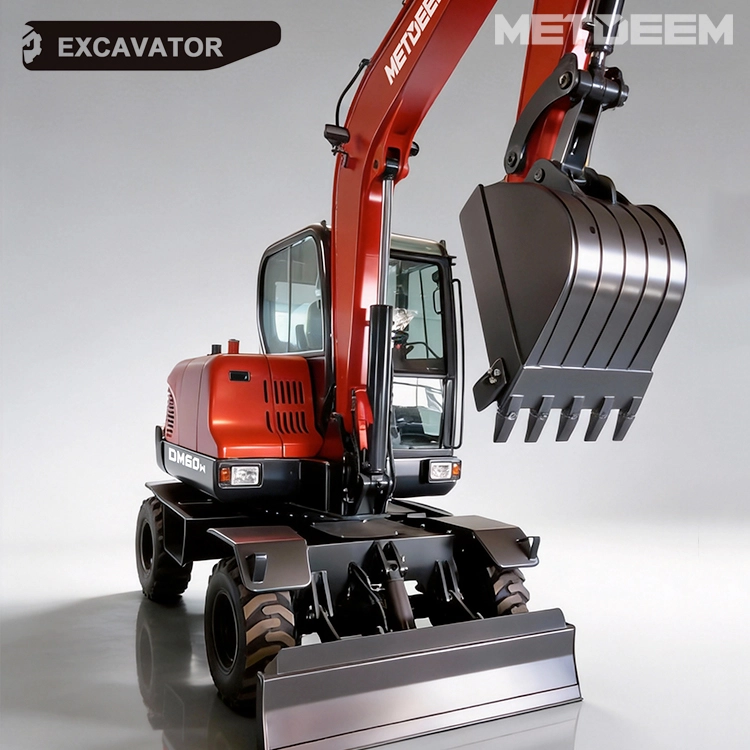
The first step is to match the machine with the job, not just the budget. Contractors should review working space, soil type, digging depth, road access, transport limits, and daily working hours. A machine that is too small may work slowly. A machine that is too large may not enter the site.
Check Operating Weight and Site Access
Before importing, buyers should check several practical details. These include gate width and road width. They also include transport truck capacity. Ground strength and slope conditions matter too. Work near walls, fences, or indoor areas needs attention. Finally, local road and site access rules must be reviewed.
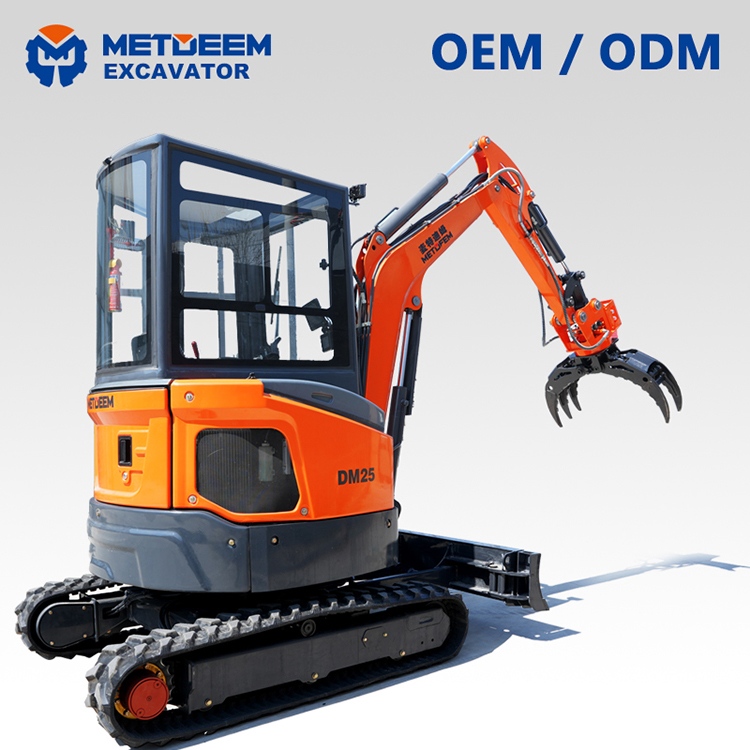
If the main jobs include municipal repair, landscaping, farm irrigation, and indoor demolition, a compact crawler excavator can be a practical choice. METDEEM’s Bagger include compact and larger options for different project needs.
Compare Digging Depth and Bucket Capacity
Buyers should not only ask for machine weight. Digging depth, boom length, arm length, bucket capacity, and lifting ability decide whether the machine can finish the job efficiently. These specifications directly affect daily productivity on site.
Important points include maximum digging depth. Standard bucket volume also deserves close attention. Bucket digging force and arm digging force play important roles. Dumping height and swing radius affect performance as well. Stability during lifting completes the list of essential checks.
A small bucket is useful for cable trenching and garden work. A larger bucket helps with drainage channels, small foundations, and soil removal. For many compact machines, bucket capacity may range from 44 liters to 210 liters. The exact volume depends on the model and job need.
Review Power, Fuel Use, and Hydraulic Performance
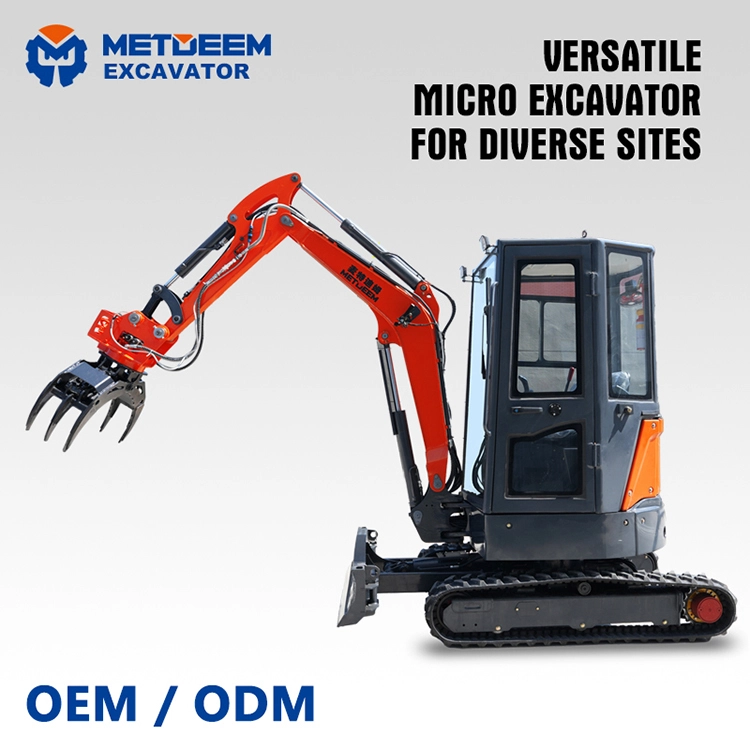
Look Beyond Rated Power
Rated power forms just one aspect of overall performance. A reliable machine must maintain steady output throughout digging, lifting, swinging, and traveling operations. When power decreases too quickly, operators require extra cycles to complete the same workload.
Contractors need to raise several specific questions. What is the rated power in kW? What is the typical fuel consumption? Does the engine align properly with the hydraulic system? Is the cooling system simple to clean? What is the fuel tank capacity? For light municipal and landscaping tasks, about 5 liters per hour serves as a practical fuel consumption guide. Real-world usage varies based on soil conditions, idle periods, weather factors, operator practices, and attachment choices. At METDEEM, we focus closely on actual job-site fuel costs. Contractors require equipment that delivers consistent performance over extended hours.
Check Hydraulic Response and Service Access
The hydraulic system controls digging, lifting, swinging, traveling, and attachment movement. Slow response, oil leakage, dirty oil, or overheating can lead to downtime.
Buyers should check several technical details, including main hydraulic pressure, pump type, and flow rate. Hydraulic oil tank capacity deserves review. Hose layout and filter access affect daily maintenance. Daily service points and support for hydraulic attachments also require careful evaluation.
Easy maintenance is especially important for import buyers. Operators should be able to check oil level, leakage points, filters, and hose wear without wasting time.
Check Structure, Chassis, and Attachments
A mini excavator may be compact, but it often works in rough places. Mud, stones, wet ground, broken concrete, and narrow paths can all test the machine. The frame, boom, arm, undercarriage, track width, and bucket structure affect long-term life.
Review Track Width and Ground Stability
Crawler mini excavators are popular because they offer good grip and lower ground pressure. Wider tracks spread machine weight and help the machine move more steadily on soft ground. Narrower tracks help the machine pass through tight spaces.
Key points include track shoe width and track tension adjustment. Roller layout, ground clearance, chassis width, and travel motor protection also affect performance and service life.
Choose Attachments Before Shipment
Many buyers purchase a mini excavator first and add tools later. This approach may cause problems because not every attachment fits every machine. Attachment weight, hydraulic flow, pressure, coupler size, and machine balance must be checked before shipment.
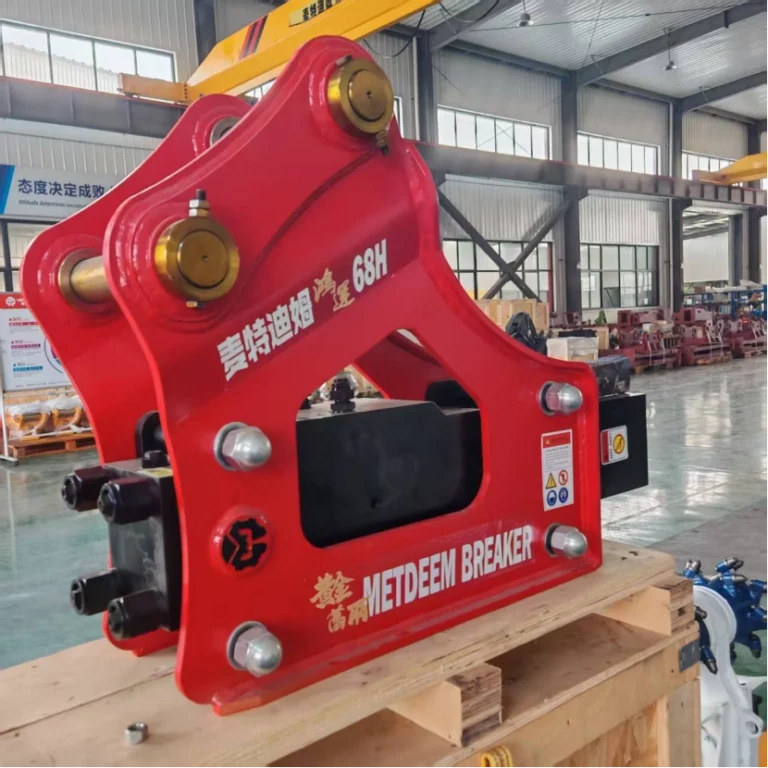
Common attachment options include standard digging bucket, narrow trench bucket, hydraulic breaker, quick hitch, grapple, auger, ripper, and compactor. METDEEM supplies Anhänge to help contractors use one machine across more jobs. Buyers doing demolition or breaking work can also review Hydraulikbrecher and match them with the right excavator class.
Study Import Costs, Documents, and After-Sales Support
Importing a mini excavator includes more than product price. Buyers should calculate freight, insurance, customs duty, tax, port fees, inland transport, unloading cost, and local inspection. A clear supplier should help prepare product details and export documents before shipment.
Check Documents Before Delivery
Different markets often require various documents. Buyers need to verify local import regulations at an early stage. This helps prevent unnecessary delays at the port. Common documents include a commercial invoice, packing list, bill of lading, certificate of origin, product specification sheet, operation manual, parts manual, and warranty terms. The machine nameplate details must match the documents exactly. These details cover the model, serial number, operating weight, engine power, and production year.
Ask About Spare Parts and Remote Support
After-sales support is a key point in imported equipment. Even a good excavator needs filters, seals, hoses, pins, bushings, track parts, and normal wear parts.
Before buying, buyers should ask several direct questions. Which spare parts should ship with the first order? How long is the warranty? What parts are covered? Are parts drawings available? Can video guidance be provided? What is the normal reply time?
METDEEM provides practical support, including parts supply and technical guidance. We know that downtime can delay a project. Therefore our service work focuses on keeping equipment available.
Inspect Quality Before Shipping
Pre-shipment inspection helps buyers find missing parts, oil leakage, wrong attachments, loose bolts, document errors, or packaging problems before the machine leaves the factory.
Important checks include engine start and idle condition. Boom, arm, bucket, and swing movement need testing. Forward and backward travel should be verified. Hydraulic oil leakage must be absent. Track tension, bucket and attachment fit, lights, horn, and display require attention. Nameplate and serial number, tool box and documents, and container loading plan all need confirmation.
Buyers should request clear photos and videos of the full machine, engine area, hydraulic lines, undercarriage, bucket, cab, and spare parts package.
Compare Supplier Strength, Not Only Price
A mini excavator is a working asset. The buyer needs it to finish jobs, earn money, and stay in service. A low quote without clear parts support or warranty may become expensive later.
A reliable supplier should provide several forms of assistance. These include clear model recommendations, full technical data, attachment matching advice, spare parts list, warranty details, export document support, maintenance guidance, and fast reply after delivery.
Schlussfolgerung
Importing a mini excavator represents a significant long-term investment for contractors. They need to evaluate key factors such as operating weight, digging depth, bucket capacity, hydraulic performance, attachment matching, transport cost, documents, warranty, and spare parts support prior to placing an order.
A suitable machine must align well with the specific demands of the job site. It should ease daily operational challenges and stay straightforward to maintain once delivered. Price remains an important consideration, yet it should never serve as the sole criterion. True value emerges from reliable performance, minimized downtime, and responsive support during unexpected issues. For municipal repair work, landscaping tasks, farm operations, rental fleets, and small-scale construction projects, a thorough selection process helps safeguard both financial resources and overall project timelines.
FAQs
Q: What mini excavator weight suits narrow jobs?
A: 1,980 kg to 6,000 kg is common for compact work.
Q: How much fuel may a mini excavator use per hour?
A: Around 5 liters per hour under light-duty work.
Q: What bucket volume should contractors compare?
A: 44 liters to 210 liters helps compare digging capacity.