What Types of Jobs Require a Trencher Attachment for Excavator?
Sometimes a project requires a long and narrow cut. The cut must have a consistent depth. In these cases, a trencher attachment for excavator is an excellent option. It provides a solid substitute for digging an entire trench with a standard bucket. Professional contractors frequently utilize this equipment for utility tasks. They also rely on it for drainage and irrigation duties. Furthermore, crews apply it to road construction and landscaping projects. Selecting the correct implement relies on the specific soil type. The required trench dimensions matter too. Additionally, you must consider your equipment’s capabilities. You should also watch out for any underground pipes in the area.
Demand for this kind of work is growing. Cities are constantly updating their water networks. They also upgrade their power and transportation grids. In the United States, the Broadband Equity, Access, and Deployment program provides $42.45 billion to expand high-speed internet availability. Certain cable installations require entirely new routes. Workers have to map these routes cautiously. They must navigate around existing utility lines. Accidentally striking an underground pipe can halt a job entirely. Such accidents create severe safety hazards. They also lead to massive repair costs. This article discusses which teams could benefit from an excavator trencher attachment. It highlights situations where a different implement might be more suitable. Finally, it outlines the key factors operators should inspect prior to digging.
Jobs That Commonly Need an Excavator Trencher Attachment
This attachment performs exceptionally well when a task demands multiple cuts. These cuts must have a precise width and depth. The equipment proves highly beneficial when workers prefer a clean trench over a large, messy hole. However, actual site conditions still play a major role. The dimensions of the trench influence your decision. Your daily production targets affect it as well. You should also evaluate site cleanup requirements. Finally, checking the machine’s hydraulic capacity is necessary before making a choice.
Utility Installation and Repair
Projects involving electrical conduits, telecommunication lines, and water mains frequently require narrow trenches. These trenches must follow a precise route. An excavator chain trencher can shift soil rapidly in a single, fluid motion. This process creates a remarkably uniform channel. Consequently, it minimizes excess soil removal. It also reduces the time spent on backfilling. The tool is highly effective for installing new service connections. Moreover, it assists with maintenance tasks, provided the equipment fits within the available workspace.
Prior to any excavation, teams must locate all existing utility lines. They are required to comply with regional regulations to expose these systems safely. A trencher cannot replace accurate utility blueprints. It also does not substitute for clear surface markings. Operators must still excavate cautiously near identified pipes. Unintentionally damaging a line leads to widespread power failures. It also results in extremely expensive repairs. Furthermore, it introduces severe safety threats. For these reasons, meticulous preparation is essential for every single operation.
Irrigation, Drainage, and Agricultural Work
Professional landscapers and agricultural personnel regularly require precise trenches. They dig these for water lines, drainage systems, or underground cables across expansive fields. A trencher produces consistent cuts. It also inflicts less surface disturbance compared to a large bucket. This advantage is significant when the project spans a considerable distance. It is especially true if the soil composition remains relatively uniform. Additionally, the tool aids teams operating in confined spaces. In restricted zones, a broad excavation would destroy the turf. It could also harm valuable agricultural topsoil.
Dense clay and excessively moist soil can reduce the daily production rate. Thick root systems and large boulders will also slow things down. These obstacles can negatively impact the overall quality of the finished trench. The operator must evaluate the actual ground conditions. They should do this before estimating daily progress. A chain trencher is not suitable for every soil variety. It also struggles with unexpected subterranean rocks. For complicated drainage repairs, a standard bucket might be better. A bucket is also preferable when trench dimensions need to vary frequently.
Roadside, Urban, and Site-Development Projects
Highway maintenance teams frequently excavate trenches for street illumination. They also dig for traffic signs, drainage infrastructure, or new electrical grids. Construction workers may require numerous short trenches throughout a residential development area. In densely populated urban locations, the available operating space is extremely limited. Additionally, older underground utilities are significantly more prevalent in these areas. Therefore, narrow excavation techniques help manage the active construction zone. However, this strategy is only effective if the equipment matches the specific project requirements. The workforce must also implement a highly secure excavation plan.
The rigorous OSHA excavation standards address mandatory safety protocols. They also cover various excavation hazards throughout the United States. Professional contractors must adhere to all regulations applicable to their particular job location. This compliance involves providing secure entry points. It also requires conducting proper soil assessments. Furthermore, it includes establishing robust defenses against dangerous collapses whenever legislation requires such measures.
When a Trencher Is Not the Best Tool
A trencher is made to cut a very steady trench. It might be a bad choice for breaking mixed concrete or doing messy digging. It also struggles with huge rocks or jobs that need lifting heavy items. You should compare the job with other tools first. This step stops slow work and stops the tool from wearing out too fast. It also saves you from changing tools when you do not have to.
Compare Trenching with Bucket Excavation
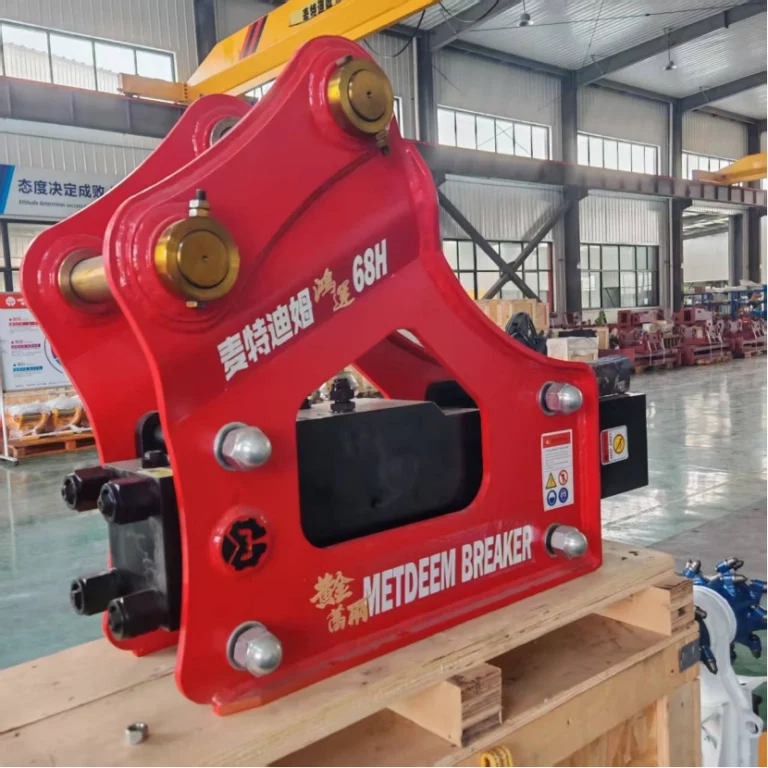
For a long, narrow path in good dirt, a trencher keeps the cut very close to the target size. On the other hand, a normal bucket is much better for short, uneven holes. A bucket also clears big rocks and loads loose dirt into trucks. When facing very hard rock, crews might need heavy breaking gear. This gear includes hydraulic hammers or a special jack hammer excavator setup. You must break the rock before moving the broken pieces. Local site facts and machine details should always guide this big choice.
A good tool plan might include a heavy grapple bucket for site cleanup. It could also use a strong hydraulic crusher for breaking old building waste. These tools do very different jobs. They do not replace a trencher at all. Words like skid steer jack, loader construction, or rear mining might show up in online searches. But they talk about different machines or different work settings. They do not prove that an excavator trencher fits your specific machine.
Checks Before Selecting a Trencher Attachment
A fast-working tool is only good if the base machine can hold and run it safely. Always check the machine’s strict working limits along with the trench details. Next, make sure the work site is fully ready for safe digging. A modern quick hitch makes changing tools much faster. Still, it does not remove the need to look at the connection. You must check the fit and lock it tight before starting the job.
Match the Carrier and Hydraulic System
Always check the machine size in tons and the total tool weight. You must also confirm the needed hydraulic flow, pressure, and the machine’s extra circuit power. Compare the tool maker’s details right against the machine’s manual. Do not guess that a bigger machine will automatically run a certain trencher. Bad hydraulic matching leads to weak cutting and dangerous heat. It also causes expensive downtime and burns much more fuel.
If the same machine moves between very different jobs, plan the daily steps carefully. Switching between a trencher, heavy hammers, or other tools requires matching couplers. It also needs careful handling of the hydraulic hoses. A worker must always check the quick hitch by hand to ensure it locks right. You must do this following the official manual before the heavy machine starts working.
Confirm Site and Production Requirements
Look closely at the needed trench width, depth, and total length. Check where the dirt will go and how to fix the ground later. Review the site access and the local soil type. Read the building plans carefully and find all buried pipes before digging begins. On busy building sites, talk directly with the utility owners. Always use the required steps to uncover live pipes safely. Mark a clear work zone and keep all ground workers far away from the moving tool.
Always guess the total job time using real daily work rates. Do not rely only on hopeful brochure numbers. Very short trenches and constant machine moving will slow you down. Thick pavement, very wet dirt, and slow dirt removal can change the final cost per meter a lot. A specific loader construction or wheel loader might help move heavy items on some sites. But that is a totally different machine choice. It does not replace the need to check the exact machine size and trencher match.
Where METDEEM Fits Into an Attachment Plan
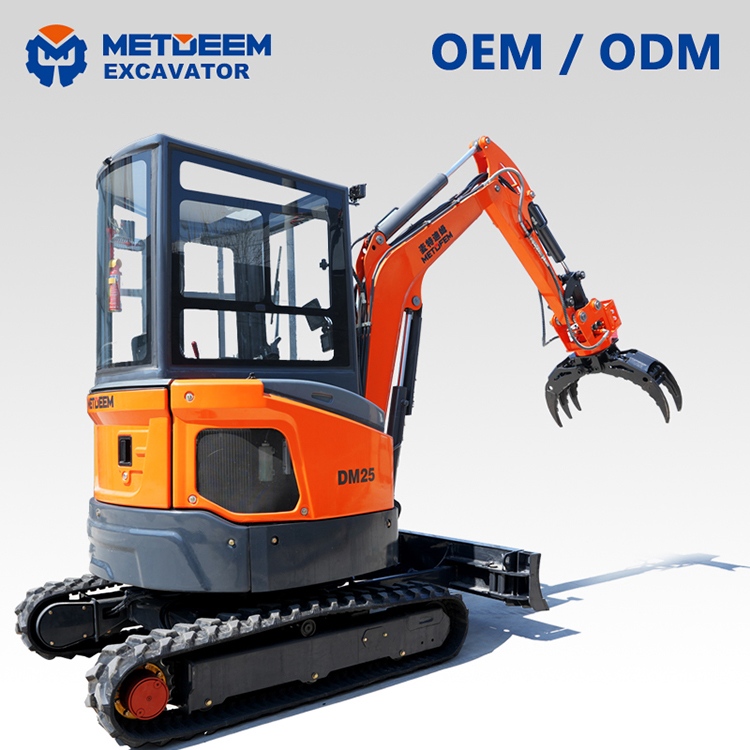
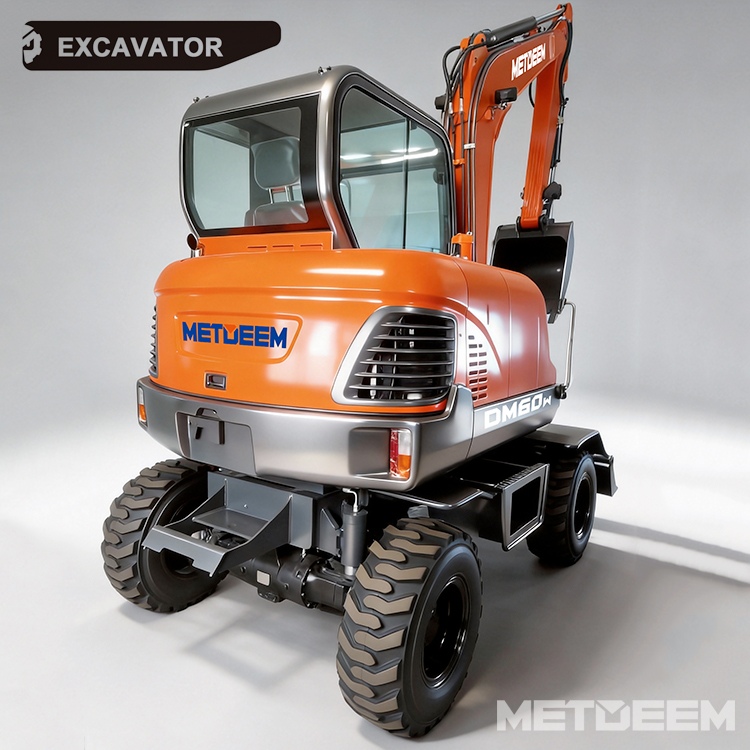
METDEEM builds heavy construction machines and tough tools for many uses. These fields include general building, heavy mining, modern farming, and tough quarry jobs. Our wide attachment range features heavy buckets, strong grapples, and safe quick hitches. We also offer other tools to help with deep digging and moving heavy items. We suggest checking all current product details and machine matches with our tech team before you buy any gear.
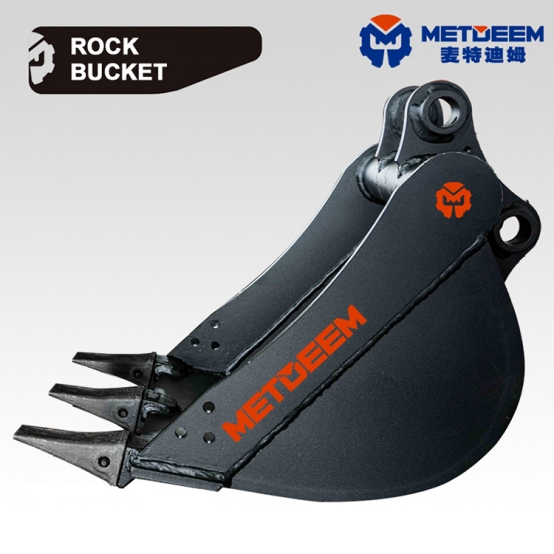
For example, our special DM02 rock bucket for trenching is made for heavy rock digging and very hard soil. At the same time, a trencher remains a special choice just for long, narrow cuts. We also share clear details about METDEEM’s manufacturing background and our regular industry exhibitions. At these shows, buyers can learn much more about our solid gear and strong support.
Conclusion
Pro utility workers, irrigation crews, road teams, and site builders often need a trencher attachment for excavator. This is very true when the job needs a long, neat trench in good soil. But this tool is not a perfect fix for everything. Very rocky dirt, broken concrete, messy cuts, and crowded buried pipes might need a totally different approach. You might need a careful mix of different tools. Before you choose, always check the trench size and the real dirt conditions. Check the machine size in tons and all hydraulic needs. Make sure the quick hitch fits and review all local digging rules. Find all buried pipes before any digging happens. Finally, guess your daily progress based on real site facts. A good match between the job, the machine, the tool, and a strict safety plan helps crews a lot. It helps them stop expensive delays and finish a smooth trench. Also, clear job details make it much easier to explain equipment choices to clients and workers.
FAQs
Q: What jobs use a trencher attachment for excavator?
A: Utility, irrigation, drainage, road, and landscaping jobs often use it for very long, narrow, and smooth cuts.
Q: Can an excavator trencher cut through rock?
A: Some special tools can handle a little bit of hard ground. But solid rock usually needs a totally different method, like heavy breaking gear.
Q: How do I match a trencher to an excavator?
A: Compare the machine size, total tool weight, and the needed hydraulic flow and pressure. You also need to check the trench details and the exact coupler fit.