Manual vs. Hydraulic Quick Attach: What’s Right for Your Excavator?
Deciding on a quick attach involves more than just saving money or speeding up tool swaps. This coupler changes how workers switch between buckets, hydraulic hammers, and grapples. However, it also brings extra weight. It creates another vital safety link on the excavator. A manual system works well for machines that only switch tools sometimes. On the other hand, a hydraulic quick attach can prove valuable if operators change attachments frequently during their shift.
The best choice relies on your daily work cycle and carrier size. It also depends on your attachment mix and how well your crew inspects gear. This guide looks at both systems in real-world terms. Therefore, contractors can easily weigh labor time, fuel use, compatibility, and safety risks before making a purchase.
Contractors require highly productive machines. At the same time, they must control costs for labor, transport, and fuel. Jobs in demolition, utility, and recycling normally demand a single excavator to perform multiple duties. A coupler helps reduce downtime between these tasks. Yet, its true value relies on how often you actually switch tools and maintain safe site conditions.
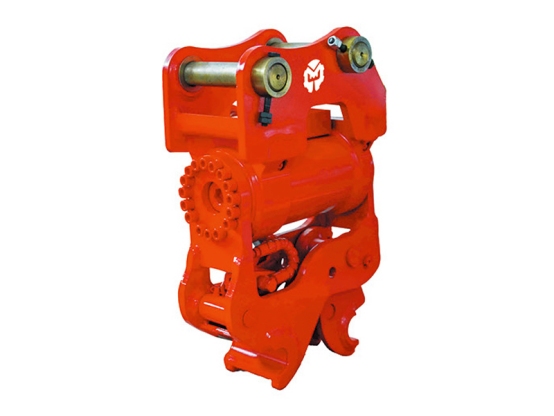
Manual vs. Hydraulic Quick Attach: The Main Differences
Both setups fix the exact same basic issue. However, they put very different demands on both the operator and the machine. A manual unit relies on a straightforward mechanical locking approach. Meanwhile, a hydraulic unit introduces a powered locking device alongside hydraulic lines. Specific details change depending on the exact design. Because of this, buyers must read the manufacturer’s operating manual carefully. Never assume every coupler uses the exact same steps.
Manual quick attach: simple, lower-cost changes
A manual quick attach is generally simpler to select. It serves as a solid option for smaller fleets or highly predictable jobs. This type usually features a lower initial purchase price. Furthermore, it does not need an extra hydraulic circuit to operate the lock. It also proves highly practical for rental equipment, especially when the end user rarely swaps tools.
The main downsides involve lost time and physical access. Dirty or poorly positioned pins will definitely slow down your tool changes. The operator has to follow a strict locking sequence. They must visually confirm the parts are fully engaged. Skipping this crucial check can cause the attachment to come loose. This mistake seriously endangers nearby workers and damages expensive equipment.
Hydraulic quick attach: faster changes from the cab
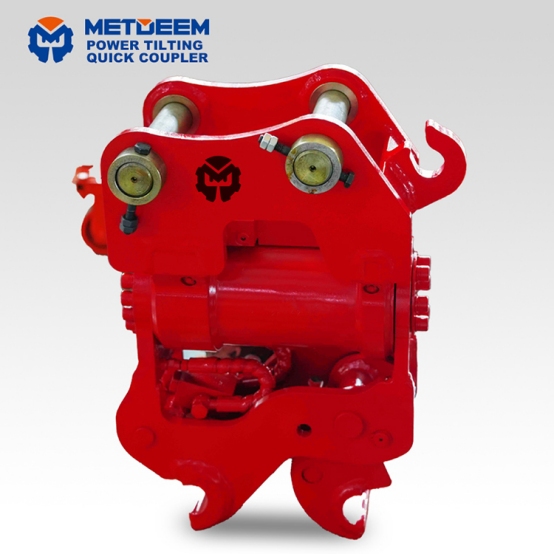
A hydraulic quick attach cuts down on time spent outside the cab. It allows a crew to swap tools much more frequently. This feature is extremely helpful when an excavator constantly switches among digging, breaking, sorting, and loading duties. The advantage is most obvious when the daily plan genuinely requires constant changes. It is less helpful if you only expect a faster coupler to fix poor project scheduling.
Powered systems naturally introduce higher costs. They also add extra hoses, cab controls, and moving parts that demand regular inspection. Buyers need to verify the specific circuit requirements and proper hose routing. They must also check the total coupler weight and the cab locking indicator. The operator still must guarantee a safe connection by following the approved testing routine. Remote operation provides great convenience. However, it never replaces a physical, positive lock check.
Match the Coupler to Excavator Capacity and Attachments
True compatibility involves much more than just matching the pin diameter. A coupler alters the physical distance between the machine stick and the tool. It adds extra weight to the very end of the arm. This addition can easily alter your breakout force and overall lifting balance. You should start by looking at the specific carrier data and the exact attachments your machine will utilize. After that, evaluate the entire connection setup instead of just trusting a generic excavator weight class label.
Check excavator capacity in tons, weight, and geometry
First inquire about the exact capacity of excavator in tons. Next, weigh the coupler in kg as well and compare to the official rated limits for your carrier. This math also has to include the weight of any attachment bracket. We recommend always checking both the pin diameter, pin spacing and stick width. Measure the clearance at bucket-cylinder and additional height added by coupler as well. Having these exact measurements meant that frustrating fit issues were avoided. This also will locks sudden movements in your maximum reach and normal digging stance.
Heavy couplers will eat away at the useful load capacity on one end of it. You seem to notice this reduction of power really only when you are lifting at full reach. These limitations are, however, very relevant if we are on an uneven terrain or when we need to do a rear mining. Any time the operator works with densely packaged materials, they are of concern as well. Occasionally, you lose a sense of balance after the excavator is installed. If so, you have to recover the safe operating radius and load limits before kicking off production again.
Verify hydraulic flow and attachment requirements
For a hydraulic coupler, check out the auxiliary circuit flow in L/min. Also, the working pressure in MPas must be verified along with return-line arrangements and control type. The coupler as well working tool should match the carrier precisely. A hydraulic hammer, normal mechanical grapple bucket and a powerful Hydraulic pulverizer can each require different circuits. A coupler connection must be successful in order for the coupling to function at all, but it does not guarantee that any tool will work properly with a given excavator.
Keep track of exactly what you need for each and every attachment. Mark hoses & cab controls against each other too. That simple step keeps operators from plugging in the wrong lines. Moreover, a far more precise comparison of fuel consumption over a long term period is possible. Definitely a fast tool change = idle engine time. However, inefficient hydraulic matching can create waste heat which delays the job and costs extra fuel.
Safety Checks That Matter With Either System
Quick attach equipment holds an attachment securely during every single lift, swing, and travel motion. Total safety relies on a smart coupler design and a proper physical fit. It also depends heavily on thorough operator training and strict daily inspections. A hydraulic release function does not automatically make the connection fail-safe on its own. Similarly, a manual pin is not guaranteed safe just because you can see it from the outside.
Build a repeatable changeover routine
Always park the machine on firm, level ground before swapping any tools. Lower the current attachment completely to the dirt and relieve the hydraulic pressure as directed. Carefully inspect the pins, locking components, hoses, and metal contact surfaces. After making the new connection, perform the manufacturer’s mandatory lock test. Do this at a low height and a very slow speed. Ensure all people stand far away from the working zone. Stop immediately if the lock indicator looks unclear or if the attachment shifts unexpectedly. You must fix the problem before lifting any weight.
Keep this exact routine consistent across every single shift. New operators must learn the coupler’s precise locking sequence without fail. They need to know exactly how to identify a fully engaged attachment. They also must know who to call when a part gets damaged. Solid safety procedures matter immensely. This holds true whether the tool is a simple bucket or heavy breaking equipment operating right next to workers and buildings.
Which Quick Attach Is Right for Your Operation?
There is no one-size-fits-all winner. The best bet only perfectly suits with the frequency of which your machine performs actually tool changes. It is in accordance with what your crew can accurately inspect and what your carrier will handle safely. Do take note to not just compare the initial coupler price but rather total operating costs. Consider changeover labor, equipment downtime and replacement service parts. Then there are the number of hours that you put into training for a very expensive botch in equipment.
Choose manual when changes are occasional
If the excavator is using only a single attachment on most days, then a manual coupler is an exceptionally logical choice. It works like magic when tool changes are strategically planned rather than having them always-on. The crew has to be able regularly and safely complete manual locking process. This option also allows you to cater for a strict company budget. But that team should never make up for that lower purchase price by rushing their safety checks or operating with worn out hardware.
Choose hydraulic when the work cycle supports it
A hydraulic system is definitely worth reviewing when frequent tool changes define your daily work plan. It offers clear value by reducing the operator’s time spent outside the cab. This setup helps a single machine rotate smoothly among different attachments during demolition, utility, and material-handling tasks. Even so, buyers should always confirm circuit compatibility and local parts support. They must also verify the required operator training and the specific lock-test process before finalizing the purchase.
At METDEEM, we provide premium excavator attachments for both construction and material handling sectors. We strongly encourage buyers to compare their carrier data against the demands of their entire work cycle. Please explore our attachment range, construction machine products, and our detailed quick hitch selection guide. Additionally, you can easily learn more about METDEEM and view our latest exhibition activity.
Conclusion
Manual and hydraulic quick attaches naturally align with very different daily work patterns. A manual coupler is the basic, easy-to-use method to continue operating when you have few tool change operations. In contrast, a hydraulic variant can merit valuable time when there’s constant switching between buckets, hydraulic hammers and material handling tools with the machine. Always compare the coupler and attachment weights in kg with that excavator capacity you talk about (as per tonnes). Lastly, make an assessment of the pin geometry, hydraulic flows in L/min and tower limits. Also including training, annual service and compulsory lock checks. In the end, always choose the particular system that your team can run safely and repeatably as part of their real work.
FAQs
Q: Is a hydraulic quick attach safer than a manual one?
A: Neither option is automatically safer than the other. A correct physical fit and full locking engagement matter the most. Thorough daily inspection and following the required test procedure remain absolutely critical for safety.
Q: What excavator capacity in tons should I check?
A: You should check the carrier’s official rated range first. Then, review the coupler weight in kg and the total attachment weight. Finally, factor in your maximum reach and the specific working conditions on your site.
Q: Does a hydraulic quick attach reduce fuel usage?
A: It can certainly reduce engine idle time during frequent tool changes. However, actual fuel savings depend heavily on your specific work cycle. They also rely on achieving a proper hydraulic match between the machine and the tool.