Compaction quality affects everything built above the ground. This includes utility trenches, road shoulders, foundations, and paved surfaces. Yet many contractors still choose equipment by habit. A handheld plate is familiar and portable. An excavator compactor offers higher output and less direct labor. The better option depends on the work area, soil, density target, available carrier, and safety plan.
No METDEEM, we manufacture construction machinery and hydraulic attachments for demanding earthmoving and infrastructure projects. Through our work with contractors, equipment dealers, and machine operators, we often see one common question: should a crew use an excavator compactor or a handheld plate compactor?
This guide is written for contractors, fleet managers, rental companies, and equipment buyers who need a practical comparison.
Why the Equipment Choice Matters More in 2026?
Construction teams face tighter schedules. Skilled labor remains difficult to recruit. Contractors therefore need tools that help one operator complete more work. These tools must not lower quality. Trench safety is also receiving greater attention. This is especially true when workers must enter narrow excavations or work close to unstable edges.
An excavator compactor supports machine-based work. It lets the operator apply compaction force from the cab. A handheld plate remains useful. However, it places a worker beside the machine. It often requires many repeated passes.
How Excavator Compactors and Handheld Units Work?
Both options use vibration to reduce air voids and increase material density. However, they deliver that energy in different ways. Their working position, force, plate size, hydraulic needs, and operator involvement create major differences in daily output. Before comparing cost, buyers should first know what each machine is designed to do.
Excavator Compactors
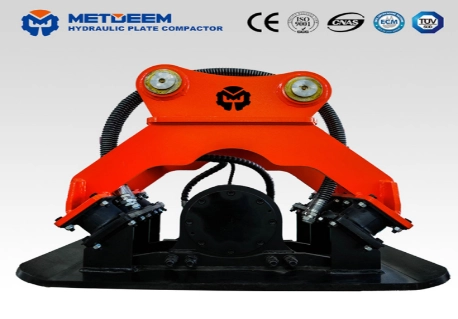
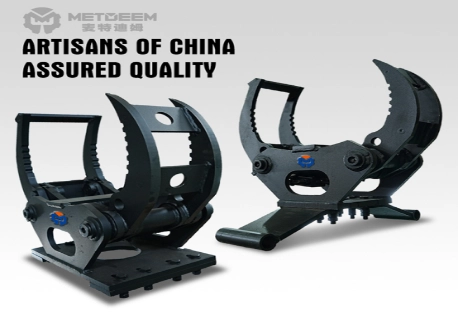
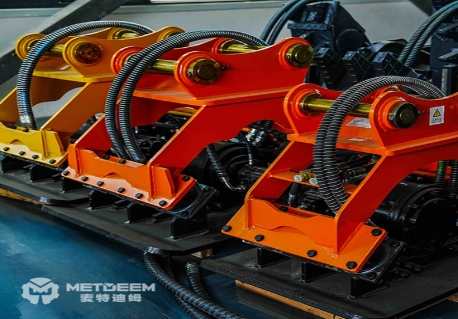
An excavator compactor is a hydraulic attachment. It mounts to an excavator arm. Hydraulic oil powers an eccentric mechanism. This sends vibration through a steel base plate into soil, gravel, or backfill. The excavator also adds controlled downward pressure. It can position the plate on slopes, around structures, and inside trenches.
Common applications include several types of work. These cover pipeline and utility trench backfill. They include road and bridge approach work. They address foundation and retaining-wall backfill. They involve slope and embankment compaction. They also support large repair areas with repeated lifts.
Because the operator controls the attachment from the cab, the plate can reach areas that may be difficult or risky for ground workers.
Handheld Plate Compactors
A handheld or walk-behind plate compactor uses an engine or electric motor. This drives vibration through a smaller base plate. The operator walks behind the unit and guides it across the surface. Forward plates suit light granular material. Reversible units can move in both directions. They handle heavier work.
These compactors suit several tasks. These include small paving repairs. They cover landscaping paths. They address patio and driveway bases. They support confined areas with limited machine access. They also fit short jobs where bringing an excavator is not practical.
Their main advantages are portability and a lower purchase price. Their limits become clearer as area, depth, and production targets increase.
Key Differences That Affect Jobsite Results
The choice is not simply large machine versus small machine. Contractors must compare output per hour, worker exposure, access, lift thickness, carrier costs, and finish requirements. A low-priced tool may become expensive after labor, slow cycle times, and extra passes are included. These differences usually have the greatest effect.
Productivity and Coverage
Excavator compactors generally cover more ground per cycle. They use larger plates and higher impulse force. The operator can compact, reposition, and continue without walking the full work area. This is valuable on long trenches and repeated backfill lifts.
Handheld units are slower across large zones. The worker must guide the machine, turn it, and overlap each pass. On a small patch, that is acceptable. On a long utility run, labor hours can grow quickly.
Access and Precision
Handheld plates can enter narrow gates, indoor spaces, and residential areas. An excavator cannot operate in these places. They also give the worker close visual control near edges, pavers, and finished surfaces.
An excavator compactor offers better reach into deep trenches, along slopes, and around structures. However, the excavator needs stable working space and boom clearance. The plate must fit the trench without striking pipes, walls, or shoring.
Labor, Vibration, and Safety
A handheld plate transfers vibration through the handle to the operator. Long exposure can contribute to hand-arm fatigue, numbness, and reduced control. An excavator-mounted unit moves the operator away from direct plate contact. It may reduce the need for workers to stand inside a trench during compaction.
This does not remove all risk. The excavator still creates struck-by hazards. Trench protection must follow applicable rules and inspections. Review official trenching and excavation safety guidance before work begins.
Cost and Machine Availability
Handheld compactors usually cost less to buy, move, and store. They are practical for small crews doing occasional repair work.
An excavator compactor needs a suitable carrier and hydraulic circuit. The first cost is higher. However, the attachment can reduce ground labor and increase the working value of an excavator already on site. Compare total cost per compacted cubic meter. Do not focus only on purchase price.
Which Compactor Fits Your Application?
No single machine wins every comparison. The correct choice comes from trench depth, area, material, density target, crew size, and access. A contractor may use both types on one project. The excavator handles high-volume work. The handheld plate completes edges and tight finishing zones.
Utility Trenches and Deep Backfill
Excavator compactors are often the stronger choice for water, sewer, drainage, and cable trenches. The attachment can compact each lift from above. It reduces worker time near trench walls. It also reaches around structures without moving a walk-behind machine in and out repeatedly.
Check the plate width against the trench. Confirm that pipes can tolerate the planned force. Never use vibration directly on unprotected services. Soil moisture and lift thickness must remain consistent.
Foundations, Roads, and Large Open Areas
For long foundations, road shoulders, and broad backfill zones, an excavator compactor can deliver faster coverage and steady pressure. It is especially useful when the same excavator is already digging, grading, or placing material.
Very large open areas may still call for rollers. The attachment is most valuable around edges, slopes, structures, and locations where a roller cannot work safely.
Landscaping and Small Repair Jobs
Handheld plates remain sensible for patios, walkways, paver bases, and small asphalt repairs. They are easier to unload. They can start work without carrier preparation.
The key is scale. When a job grows from a few square meters to a long trench or repeated daily backfill, handheld savings may disappear through labor and slower output.
A Practical Selection Checklist
Before choosing an excavator compactor or handheld option, review these points. These cover material. Granular soil responds well to vibration. Cohesive clay may need different force and moisture control. They address lift thickness. Thick lifts often leave soft material below the surface. They examine required density. Follow the project specification and verify results with field testing. They consider work area. Measure trench width, depth, overhead clearance, and excavator standing space. They review hydraulic match. Check oil flow in L/min, pressure, return-line needs, and attachment weight. They assess carrier stability. Confirm the excavator can handle the attachment safely at full reach. They evaluate labor exposure. Consider vibration, noise, manual handling, and time inside excavations. They look at daily output. Compare realistic square meters or cubic meters per hour. They check maintenance. Inspect hoses, bolts, rubber mounts, bearings, and the base plate. They finally review total cost. Include transport, fuel, labor, wear parts, downtime, and carrier time.
How METDEEM Supports Compaction Work?
At METDEEM, we manufacture construction machines and hydraulic attachments for contractors, dealers, rental companies, and end users. Our hydraulic compactor range covers different excavator classes and job conditions. The METDEEM DM08 hydraulic compactor is designed for 18,000–24,000 kg excavators. It uses 120–170 L/min oil flow and 11 tons of impulse force. We recommend matching every attachment to the carrier, soil, working space, and required output before ordering.
Conclusão
Excavator compactors and handheld plate compactors solve different problems. Handheld units are portable, affordable, and effective for small repairs, landscaping, and spaces where a carrier cannot enter. Excavator compactors are better suited to long trenches, deep backfill, slopes, and repeated high-volume work. They can raise output. They reduce direct hand-arm vibration. They limit the time workers spend near excavation hazards.
The best decision should come from job size, soil behavior, access, density targets, hydraulic compatibility, and total operating cost. Do not choose by plate width or purchase price alone. A properly matched excavator compactor can turn an existing machine into a productive compaction tool. A handheld plate remains valuable for finishing work and tight areas.
FAQs
Q: What excavator size matches the METDEEM DM08 excavator compactor?
A: 18,000–24,000 kg excavators with suitable hydraulic capacity.
Q: How much hydraulic flow does the DM08 require?
A: The recommended oil flow is 120–170 L/min.
Q: Is a handheld plate compactor better for small areas?
A: Yes. It is usually better for tight access, light repairs, and short-duration work.