في أعمال البناء الثقيلة والتعدين، يمثل المحرك جوهر معداتك. فهو يدفع الإنتاجية والأرباح في كل موقع عمل. ميتديم اكتسبت شركة METDEEM مكانتها كشركة مصنعة موثوقة لآلات وقطع غيار البناء من خلال تركيزها على المتانة والأداء العالي في جميع منتجاتها. ومع ذلك، فإن معدات مثل حفارات METDEEM تحتاج إلى صيانة دورية للمحرك وقيادة حذرة لضمان استمرار عملها بكفاءة عالية على المدى الطويل. يؤدي إهمال هذه الخطوات غالبًا إلى مشاكل شائعة مثل انخفاض الطاقة، وارتفاع استهلاك الزيت، وأعطال متكررة تعيق سير العمل. يشرح هذا الدليل طرقًا لحماية معداتك والحفاظ على آلات METDEEM تعمل بكامل طاقتها.
الصيانة الأساسية لمحركات حفارات ميتديم
العناية بفلتر الهواء لتحقيق أعلى أداء للمحرك
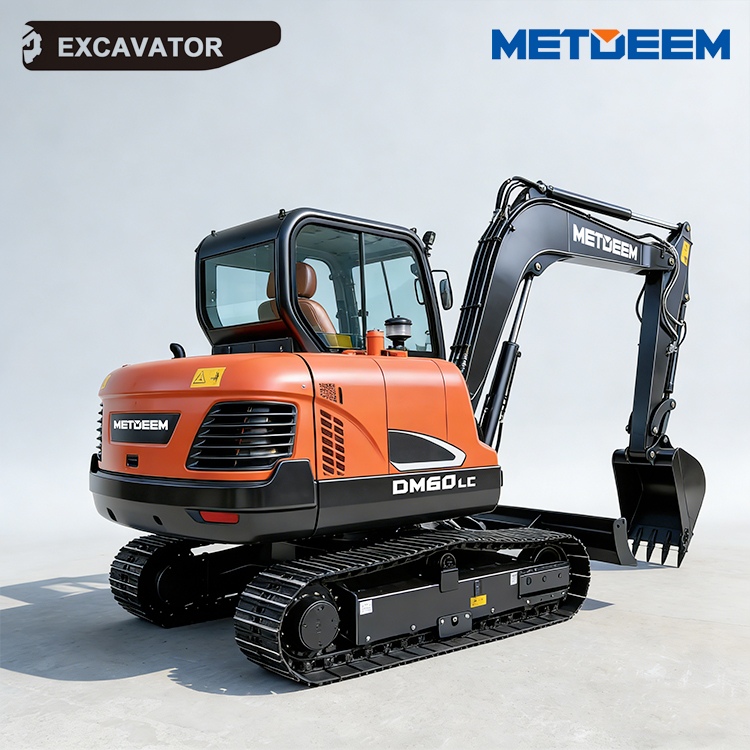
غالباً ما تحتوي مواقع العمل على الكثير من الغبار والأوساخ، والتي تُلحق أكبر ضرر بمحركات الاحتراق الداخلي. خذ قسطاً من الراحة DM60LC حفارة مجنزرة، مصممة للعمل في الأماكن الضيقة وفي ساحات المنازل. قد يتسبب الغبار المتراكم في انسداد مدخل الهواء بسرعة. لذا ننصح بفحص نظام فلتر الهواء يوميًا. يؤدي انسداد الفلتر إلى تقليل تدفق الهواء، مما يزيد من جهد المحرك ويستهلك وقودًا إضافيًا. مع مرور الوقت، ينتج عن ذلك دخان أسود وانخفاض ملحوظ في قوة المحرك. تساعد الفلاتر النظيفة نظام الطاقة على الحفاظ على أداء حفارتك من METDEEM بكفاءة وقوة.
إدارة سائل التبريد وتنظيم درجة الحرارة
يُعدّ ضبط درجات الحرارة أمرًا بالغ الأهمية لضمان التشغيل المستقر على المدى الطويل، لا سيما في المهام الشاقة. تُنتج آلاتنا الكبيرة، مثل الجرافة DM32 المزودة بمحرك Cummins قوي بشاحن توربيني، كمية كبيرة من الحرارة أثناء التشغيل. لذا، ينبغي على المشغلين مراقبة مستويات سائل التبريد وحالته بدقة. قد يؤدي استخدام خلطات غير مناسبة من سائل التبريد أو وجود طين على المبرد إلى ارتفاع درجة الحرارة، مما قد يُلحق الضرر بأجزاء المحرك. يُمكّن التنظيف الدوري لنظام التبريد معدات METDEEM من إدارة الحرارة بكفاءة في المحاجر أو المناجم المزدحمة.
إجراء فحوصات دورية للسوائل لمنع التآكل
إلى جانب تغيير الزيت، تشمل الصيانة الدورية فحص حالة جميع السوائل. في وحدات مثل الحفار الخلفي DM3CX أو الجرافة الانزلاقية الصغيرة DM08، تؤثر جودة الوقود ومواد التشحيم على عمر المحرك. لاحظنا أن الديزل الرخيص يسد البخاخات ويتراكم عليه الكربون. تؤكد METDEEM أن المتانة والجودة هما أساس عملنا، ولكن يجب على المستخدمين استخدام سوائل عالية الجودة تتوافق مع معايير التصنيع لدينا لضمان استمرار عملها.
تحسين عادات القيادة للعناية بنظام الطاقة
إدارة وضع الخمول للحد من تراكم الكربون
من الممارسات الخاطئة الشائعة ترك المحرك يعمل لفترات طويلة دون تشغيل. قد يبدو من الآمن ترك حفارة DM4CX تعمل لفترة وجيزة، لكن تركها تعمل لفترات طويلة دون تشغيل يؤدي إلى احتراق غير كامل للوقود. هذا يُخلّف رواسب كربونية على الصمامات والحاقنات، مما يُقلّل من قوة المحرك تدريجيًا. لذا، ننصح بشدة باستخدام خيارات الإيقاف التلقائي أو إيقاف تشغيل المحرك إذا بقيت الوحدة متوقفة لأكثر من بضع دقائق. هذا التغيير البسيط يُساهم بشكل كبير في استقرار التشغيل على المدى الطويل.
التعامل السليم مع الأحمال أثناء العمليات الثقيلة
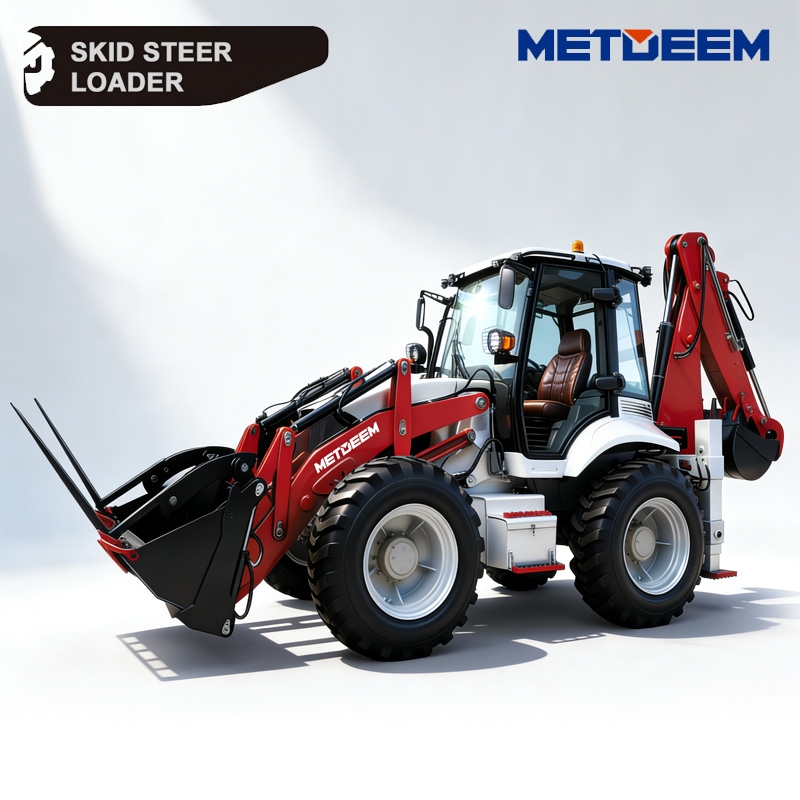
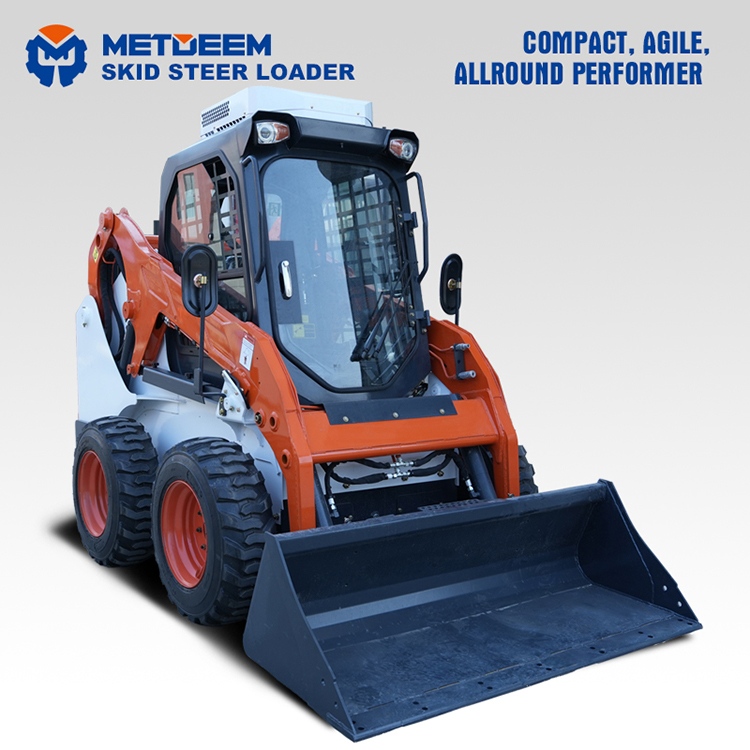
يؤدي تحميل المحرك بأكثر من طاقته إلى إجهاده بسرعة. عند استخدام أدوات قوية مثل الجرافة الصخرية DM02 أو المقص DM06، التزم بالحدود المحددة. على سبيل المثال، لا تتجاوز قدرة الجرافة الانزلاقية الصغيرة DM08 705 كجم. تجاوز هذا الحد يُرهق النظام الهيدروليكي ويُحمّل المحرك فوق طاقته، مما يؤدي إلى ارتفاع درجة حرارته الداخلية وتلف المكابس بسرعة.
أدوات تحكم سلسة لتقليل الإجهاد الميكانيكي
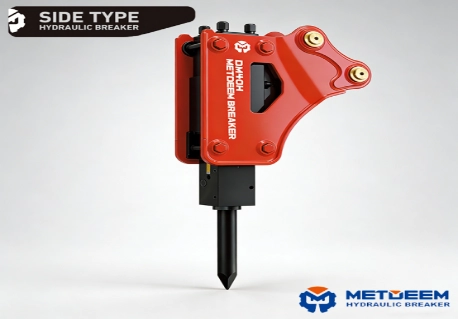
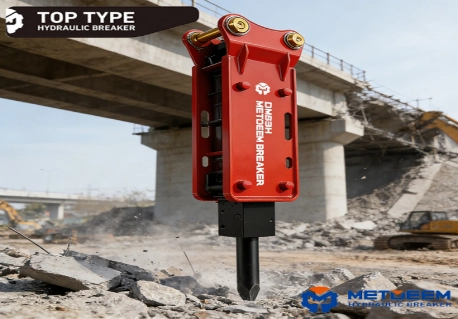
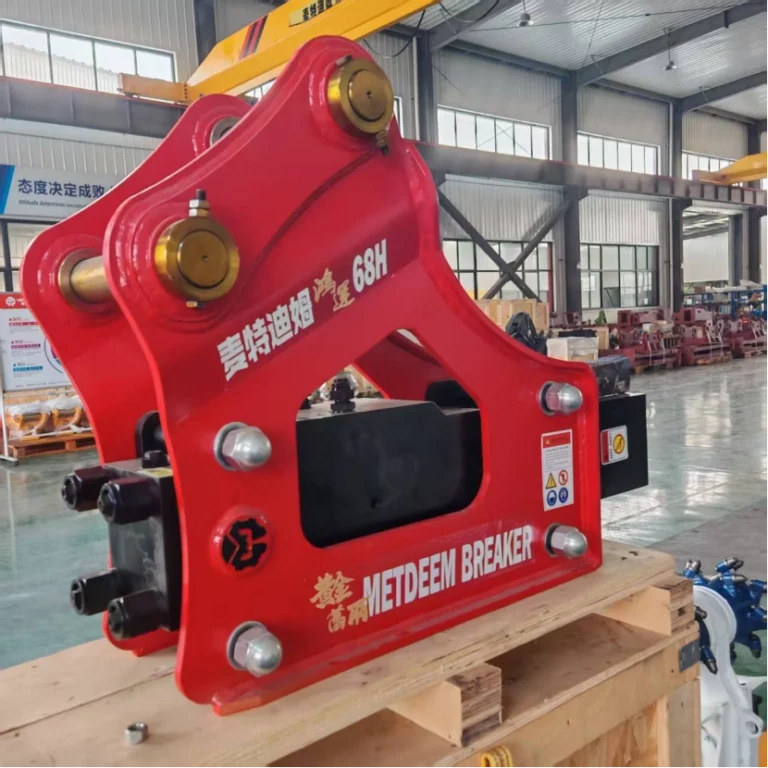
تُسبب التحولات المفاجئة والاستخدام الخشن للتحكم اهتزازات في نظام الطاقة. عند تركيب مطرقة هيدروليكية DM35 أو DM53، يُنصح بالبدء تدريجيًا لحماية محرك الحفارة من الانخفاضات الحادة في عدد دورات المحرك في الدقيقة والارتفاعات المفاجئة في الضغط الهيدروليكي. تُصمم شركة METDEEM أنظمة هيدروليكية ذات تدفق جيد، ولكنها تعمل بكفاءة عالية مع الاستخدام المستقر. تُقلل الحركات اللطيفة من تآكل الاهتزازات الذي قد يُؤدي إلى تحريك قواعد المحرك وإتلاف الحساسات الرئيسية.
حل المشكلات الشائعة في أداء المحرك
معالجة انقطاع الطاقة وانخفاض الأداء
إذا لاحظتَ أن حفارتك من نوع METDEEM تحفر بشكل أضعف من ذي قبل، فافحص أولاً نظام الوقود أو الهواء. غالبًا ما يشير انخفاض الطاقة إلى نقص في الوقود ناتج عن اتساخ فلتر الوقود الرئيسي أو وجود فجوات هوائية في مدخل الهواء. في جرافة DM16 القوية المزودة بمحرك WEICHAI، يُسهم الحفاظ على نظافة أنابيب الوقود في ضمان استمرارية الأداء الكامل بقوة 131 كيلوواط. الصيانة الدورية تمنع الأعطال الصغيرة من التسبب في توقفات كبيرة.
مكافحة مشاكل الاستهلاك المفرط للنفط
يُثير ارتفاع معدل استهلاك الزيت قلق مسؤولي أساطيل المركبات. يحدث ذلك عندما تتراكم رواسب الكربون على حلقات المكابس نتيجةً لعادات القيادة السيئة أو تأخر تغيير الزيت. تضمن عملية التصنيع المعتمدة لدينا وفقًا لمعيار ISO 9001 الحفاظ على المحركات في أفضل حالاتها. يجب على المستخدمين تجنب المناطق الساخنة التي تُخفف لزوجة الزيت وزيادة معدل استهلاكه للحفاظ على هذه اللزوجة.
تعظيم الكفاءة من أجل تشغيل مستقر طويل الأمد
تطبيق جداول الصيانة الاحترافية
الروتين المنتظم يُسهم في بناء عمر طويل. ننصح بخطة عمل متدرجة تتناسب مع متطلبات العمل. بالنسبة لحفارة METDEEM في محجر وعر باستخدام مطرقة هيدروليكية DM45، يُنصح بتقليل وقت تغيير الزيت وفلتر الهواء. تسجيل هذه المهام لا يُحسّن أداء الآلة فحسب، بل يزيد أيضًا من قيمتها عند إعادة بيعها.
الاستفادة من قطع غيار METDEEM الأصلية عالية الجودة
بصفتنا بناة، نؤكد على استخدام قطع غيار أصلية. فهي تستند إلى خبرة سنوات طويلة في مجال المعدات الثقيلة. سواءً كان الأمر يتعلق بختم لكسارة هيدروليكية DM40 أو فلتر لحفارة DM60LC، فإن قطع غيار METDEEM الأصلية تحافظ على المقاسات والمواد الدقيقة كما هو مخطط لها.
استنتاج
باختصار، يُعكس التشغيل المستمر لمعدات METDEEM العناية اليومية بها. ركّز على صيانة المحرك - فحص الهواء، سائل التبريد، والسوائل الأخرى - وعدّل عادات القيادة لتجنب التوقفات الطويلة والتحميل الزائد. هذا يحمي جوهر عمل موقعك. تهدف METDEEM إلى تزويدك بأحدث تقنيات البناء ووحدات متينة مثل DM60LC بالإضافة إلى الكسارات الهيدروليكية، لتتفوق على منافسيك. نحن أكثر من مجرد بائعين؛ نحن شركاء في الإنتاج من خلال الخدمات وقطع الغيار لتحقيق النجاح في مواقع العمل.
اتصل بـ METDEEM فريق من الخبراء اليوم لاكتشاف المزيد من حلول الصيانة الاحترافية والملحقات عالية الأداء لمشروعك القادم.
أسئلة متكررة
س: كم مرة يجب علي تغيير فلتر الهواء على حفارة METDEEM؟
ج: للحفاظ على محرك قوي، افحص فلاتر الهواء يوميًا. في الأماكن المتربة، نظّفها أو استبدلها قبل الموعد المحدد في الدليل لمنع دخول الأوساخ والحفاظ على قوة المحركات مثل DM60LC.
س: ما هي العلامات التي تدل على أن محرك حفارتي من طراز METDEEM يفقد قوته؟
أ: انتبه لبطء حركة النظام الهيدروليكي، وخروج دخان غير طبيعي من العادم، وصعوبة تشغيل المحرك للحفاظ على عدد دورات المحرك في الدقيقة عند استخدام أدوات ثقيلة مثل الكسارة الهيدروليكية DM35. ترتبط هذه الأعراض بانسداد المرشحات أو ضعف الوقود.
س: لماذا تعتبر الصيانة الدورية للمحرك مهمة لقيمة إعادة البيع؟
أ: تُظهر السجلات الواضحة للصيانة وعادات القيادة السليمة تشغيلاً موثوقاً به وطويل الأمد ومستقراً، مما يجذب المشترين عند استبدال وحدات الأسطول.