في مجال البناء وتطوير الأراضي الذي يتطلب الكثير من الجهد، يُعد أسطولك موردك الرئيسي. ومع ذلك، قد يكون الحد الفاصل بين الإنتاج القوي والأعطال المفاجئة أضيق مما يتصوره المشغلون. ميتديمبصفتنا شركة رائدة في تصنيع ملحقات الحفارات ومعدات البناء المتينة، لاحظنا عن كثب كيف يمكن لسوء التعامل مع الأحمال أن يقلل من قيمة الآلة. ينطبق هذا سواء كنت تستخدم حفارة METDEEM DM60LC صغيرة في المساحات الضيقة أو نموذجًا قويًا في مهام التعدين. إن فهم كيفية التعامل مع ضغوط العمل بشكل صحيح أمر بالغ الأهمية. يقدم هذا الدليل استراتيجيات عملية لإدارة الأحمال ونصائح لصيانة الحفارات للحفاظ على متانة حفارتك الهيدروليكية. وهذا بدوره يطيل عمر حفارتك ويقلل التكاليف على المدى الطويل.
أسس استراتيجيات إدارة الأحمال
فهم حدود سعة الآلة
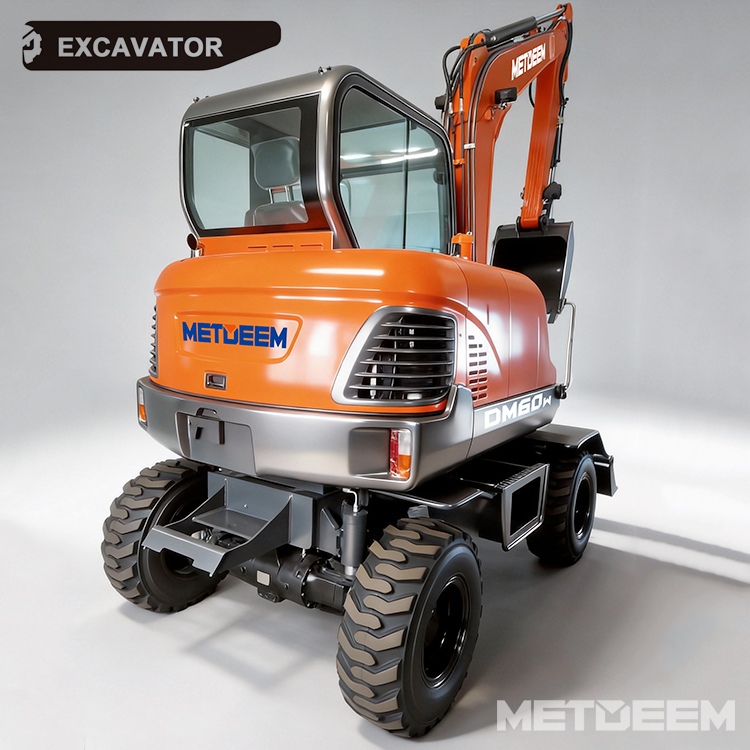
تأتي كل آلة بحدود قوة محددة بوضوح وفقًا لتصميمها. خذ على سبيل المثال حفارة METDEEM DM60LC الصغيرة المجنزرة ذات الستة أطنان. تعمل هذه الحفارة بكفاءة عالية في أعمال بناء الساحات والأماكن الضيقة. في حال إضافة ملحق يتجاوز معدل التدفق الهيدروليكي أو حد الوزن المسموح به، سيؤدي ذلك إلى إجهاد سريع للذراع والرافعة والأسطوانات. نحث عملاءنا على مواءمة احتياجات العمل مع القدرة المحددة للآلة. بالالتزام بهذه الحدود، تتجنب التآكل المعدني الطفيف الذي يتراكم ويسبب تشقق اللحامات، بالإضافة إلى تكاليف الإصلاح الباهظة.
موازنة أوقات الدورة والضغط النفسي
يشعر العديد من العمال برغبة ملحة في تسريع دورات الإنتاج لتلبية الجداول الزمنية العاجلة. لكن تشغيل الآلة بأقصى سرعة مع حمولة ثقيلة يُولّد قوى اهتزاز قوية. في شركة METDEEM، يركز نهجنا التصميمي - "التصنيع الدقيق، الموثوق به عالميًا" - على الإنتاج الثابت بدلًا من الارتفاعات السريعة. فالحركات السريعة والمفاجئة تزيد الضغط على المضخات الهيدروليكية ومحركات الدوران.
حماية المحركات والأنظمة الهيدروليكية
منع التآكل المبكر للمحرك
يُعدّ المحرك بمثابة قلب معداتك. في طرازاتنا الأقوى، مثل جرافة METDEEM DM32، نُزوّدها بمحركات توربينية قوية مثل محركات Cummins، والتي تُنتج طاقة مُصنّفة تبلغ 257 كيلوواط. مع ذلك، حتى مع هذا الإعداد المتين، فإنّ الأحمال الزائدة المُستمرة تُؤدّي إلى ارتفاع درجة حرارة المحرك وإجهاده الشديد، ممّا يُؤدّي إلى استهلاك المزيد من الوقود وتآكل حلقات المكابس بشكل أسرع.
إدارة درجات حرارة السوائل الهيدروليكية
تتأثر الأنظمة الهيدروليكية بشدة بالحرارة. فعندما تتجاوز الحفارة حدّ حمولتها، يزداد ضغط الزيت، مما يؤدي إلى ارتفاع درجة حرارته. وهذا بدوره قد يُلحق الضرر بالأختام ويُضعف قدرة الزيت على التزييت. في مذكرة فنية حديثة، تناولنا حلولاً سريعة لمشكلة ارتفاع درجة حرارة النظام الهيدروليكي من خلال فحص أداء التبريد. وللحفاظ على متانة الحفارة الهيدروليكية، يجب على العمال عدم إبقاء أدوات التحكم الهيدروليكية مفتوحة على صمام التنفيس لفترات طويلة. فالحفاظ على الزيت ضمن نطاق حرارته المثالي يحمي الأجزاء الدقيقة في المضخات والصمامات، ويمنع حدوث التسريبات الداخلية.
تحسين استخدام الملحقات المتخصصة
التشغيل الآمن للمحراث الهيدروليكي من شركة METDEEM
تتطلب أدوات مثل المحراث الدوار الهيدروليكي من METDEEM توافقًا دقيقًا بين الطاقة والآلة. يُناسب هذا الملحق الفعال تجهيز التربة واستصلاح الأراضي، ويحتاج عادةً إلى آلة أساسية بقوة تتراوح بين 35 و95 حصانًا. في حال تحميل المحراث فوق طاقته بالحفر بعمق كبير في أرض متماسكة أو صخرية، فقد يتعطل محرك التروس المخروطية. نقترح اتباع طريقة تدريجية للتربة شديدة الصلابة، حيث تسمح هذه الطريقة للشفرات سريعة الدوران بتفتيت التربة تدريجيًا. كما تحمي هذه الطريقة نظام الدفع الخاص بالمحراث وخط الهيدروليك الإضافي للحفارة.
إدارة أحمال الكسارات عالية التأثير
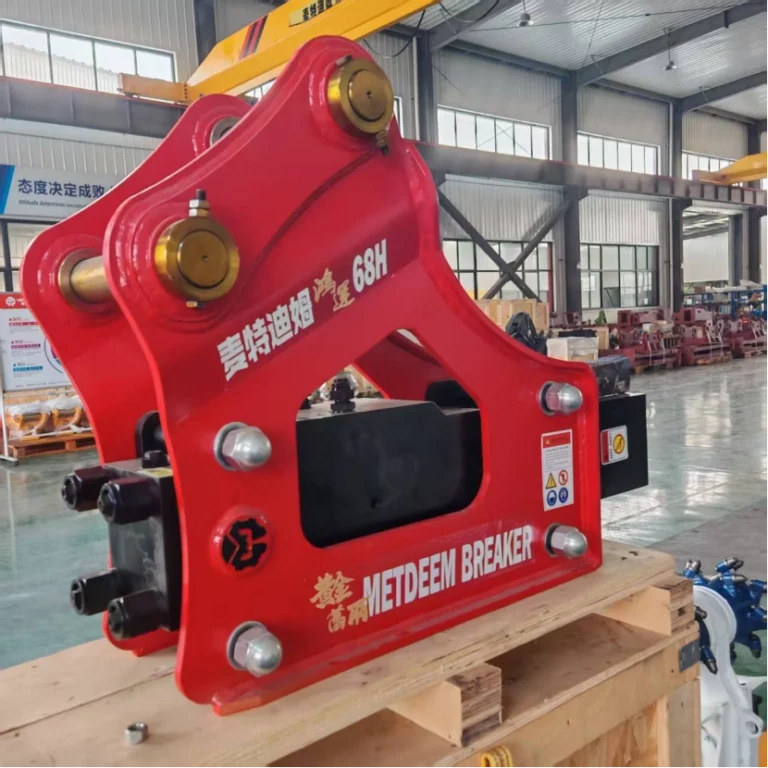
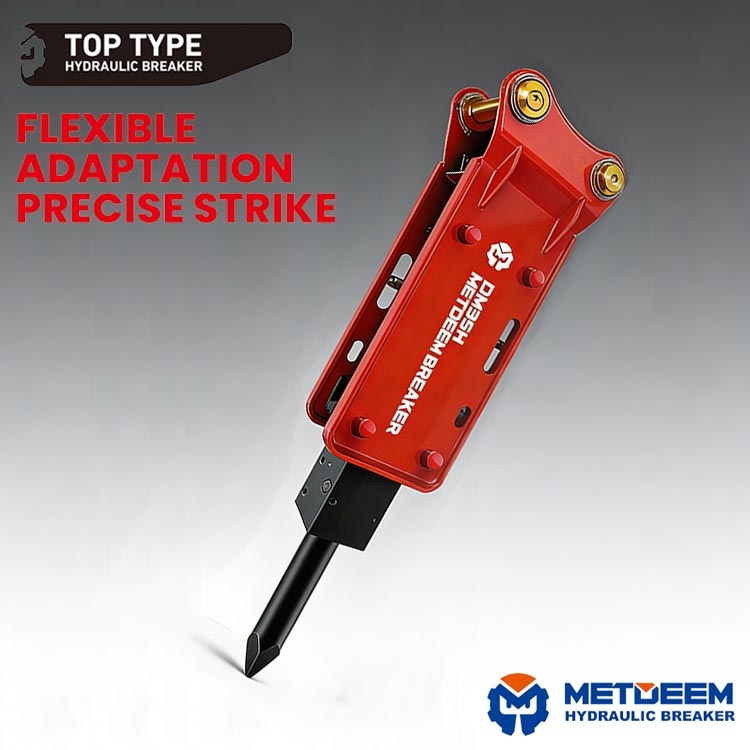
تشغيل الكسارة الهيدروليكية، مثل ميتديم DM35 تُعدّ الكسارة الهيدروليكية من أصعب المهام التي تواجه الحفارة. قد يؤدي التحكم الخاطئ في الحمل إلى ضربات غير دقيقة أو استخدام الكسارة لرفع الصخور، وكلا الأمرين يُسبب اهتزازات قوية في ذراع الحفارة. في شركة METDEEM، نصمم كساراتنا لتحمّل الصدمات بكفاءة، مع ضرورة أن يطبّق السائق القوة المناسبة للأسفل. يضمن الحفاظ على الحمل الصحيح توجيه الطاقة إلى الصخر، وليس إلى دبابيس وجلبات الآلة. هذا النهج يُطيل عمر الحفارة بشكل ملحوظ.
الصيانة الاستباقية لتحقيق الكفاءة على المدى الطويل
فحوصات التشحيم والتبريد الحرجة
لا يقتصر التحكم في الأحمال على استخدام عصا التحكم فحسب، بل يشمل أيضًا تجهيز الآلة جيدًا. فالأحمال الثقيلة تزيد من الاحتكاك في جميع نقاط الوصل. لذا، يُعد فحص مواد التشحيم ونظام التبريد بانتظام أمرًا بالغ الأهمية، لا سيما في المواقع الوعرة كالمناجم أو مواقع الهدم. في شركة ميتديم، نتبع نظام جودة يفي بمعايير ISO 9001، ومع ذلك، تستمر هذه الجودة من خلال الصيانة الميدانية. فإزالة الحطام من المشعات يساعد الآلة على التخلص من الحرارة الناتجة عن الأحمال الثقيلة بسلاسة.
مراقبة حالة الأجزاء المستهلكة
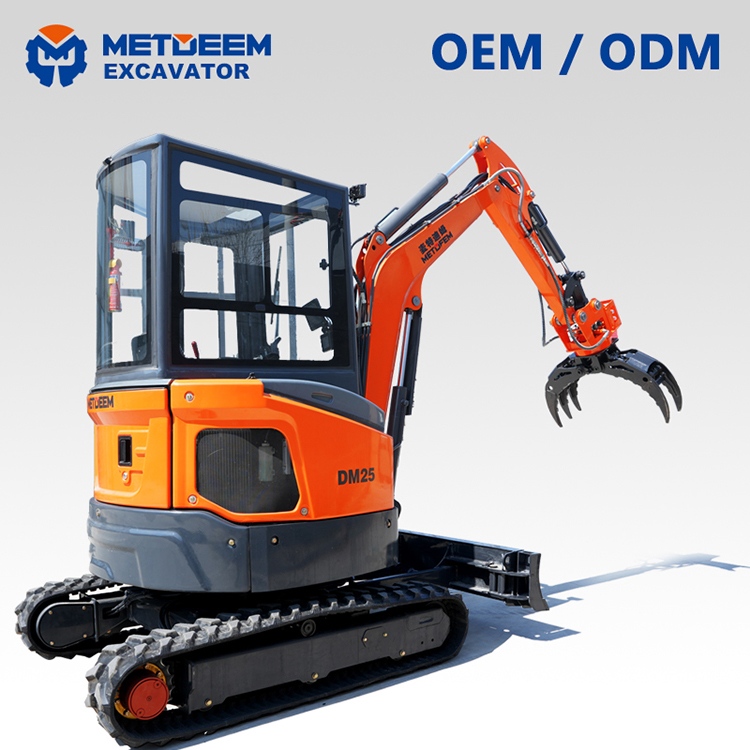
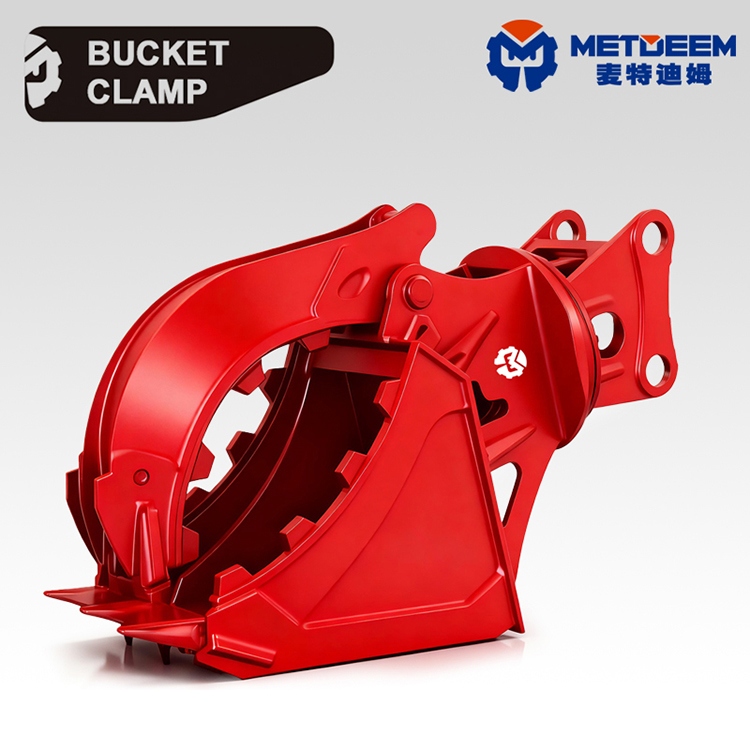
تؤدي حواف القطع المتآكلة إلى زيادة الضغط على الوحدة بأكملها. على سبيل المثال، جرافة METDEEM DM20 ذات أسنان غير حادة أو جانب مثني، تتطلب قوة دفع هيدروليكية إضافية للقطع. هذا الجهد الإضافي يؤدي إلى زيادة استهلاك الوقود وتآكل النظام الهيدروليكي. استبدال هذه الأجزاء - مثل الشفرات المنحنية أو ذات الشكل L في المحاريث أو رؤوس الكسارات - يحافظ على سلاسة التحميل. تُعد هذه الخطوة المتقدمة جزءًا أساسيًا من نصائحنا لصيانة الحفارات.
استنتاج
إن إطالة عمر معداتك الثقيلة لا يتحقق إلا من خلال ممارسات عمل منتظمة ومعايير بناء متينة، وليس عن طريق الصدفة. عند تطبيق استراتيجيات إدارة الأحمال هذه والالتزام بنصائح الصيانة السليمة للحفارات، فإنك تحمي الأجزاء الرئيسية - من المحرك إلى النظام الهيدروليكي - التي تدعم إنتاجيتك. في METDEEM، هدفنا هو دعم البنائين حول العالم بمنتجات "صُنعت في الصين، ونالت إعجاب العالم". تركيزنا على المتانة والمعايير وتوفير قطع الغيار بشكل كامل يعني أن مشترياتك ستظل مفيدة لسنوات. سواءً كانت مشاريع حضرية أو أعمال تعدين في مناطق نائية، فإن إدارة أحمال آلاتك الآن تُمهد الطريق لنجاحاتك لاحقًا.
حقق أقصى استفادة من إمكانيات أسطولك اليوم —اتصل بـ METDEEM لاكتشاف مجموعتنا من ملحقات الحفارات المتينة والحصول على نصائح الخبراء حول تحسين عمر معداتك.
أسئلة متكررة
س: ما هي العلامات الرئيسية التي تدل على أن الحفارة تتعرض لحمل زائد؟
ج: تشمل المؤشرات الشائعة الدخان الأسود المفرط من العادم، وتوقف المحرك أو انخفاض عدد دوراته في الدقيقة بشكل كبير، وارتفاع درجة حرارة الزيت الهيدروليكي إلى المنطقة الحمراء، وإصدار الآلة أصواتًا غير عادية أثناء الدورات القياسية.
س: هل يؤثر استخدام وصلة سريعة على إدارة الحمولة في حفارتي؟
أ: تضيف وصلة التثبيت السريع وزنًا طفيفًا وتغير نصف قطر طرف الجرافة. ورغم أنها تُحسّن الكفاءة بشكل ملحوظ من خلال السماح بتغيير الملحقات بسرعة، إلا أنه ينبغي على المشغلين مراعاة هذا التغيير الطفيف في قدرة الرفع للآلة للحفاظ على مستويات حمولة آمنة.
س: كم مرة يجب فحص الأجزاء المعرضة للتآكل للحفاظ على كفاءة التحميل المثلى؟
ج: نوصي بإجراء فحص بصري يومي لجميع أدوات التشغيل، مثل أسنان الجرافة، وأزاميل التكسير، وشفرات المحراث. فالحفاظ على هذه الأجزاء حادة يقلل من القوة اللازمة للآلة لأداء عملها، وبالتالي يخفف الحمل على النظام الهيدروليكي والمحرك.