A skid steer jack hammer can turn one compact carrier into a productive concrete and rock-breaking machine. Yet the wrong attachment may cause weak impact, hot hydraulic oil, unstable handling, damaged hoses, or costly downtime. For contractors, rental companies, quarry operators, and fleet buyers, the best choice is not simply the largest breaker available. It is the breaker that matches the carrier, material, working conditions, and expected daily output.
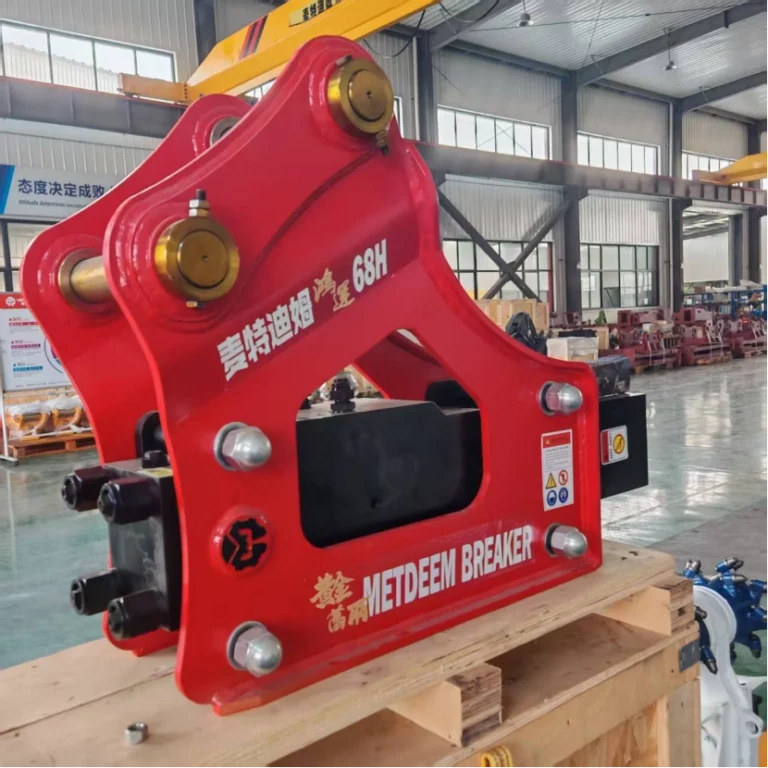
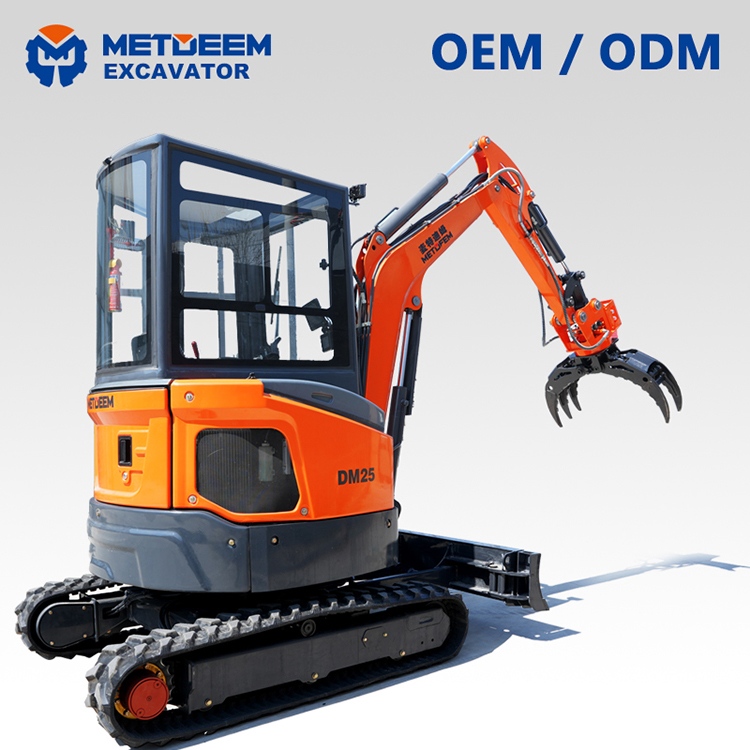
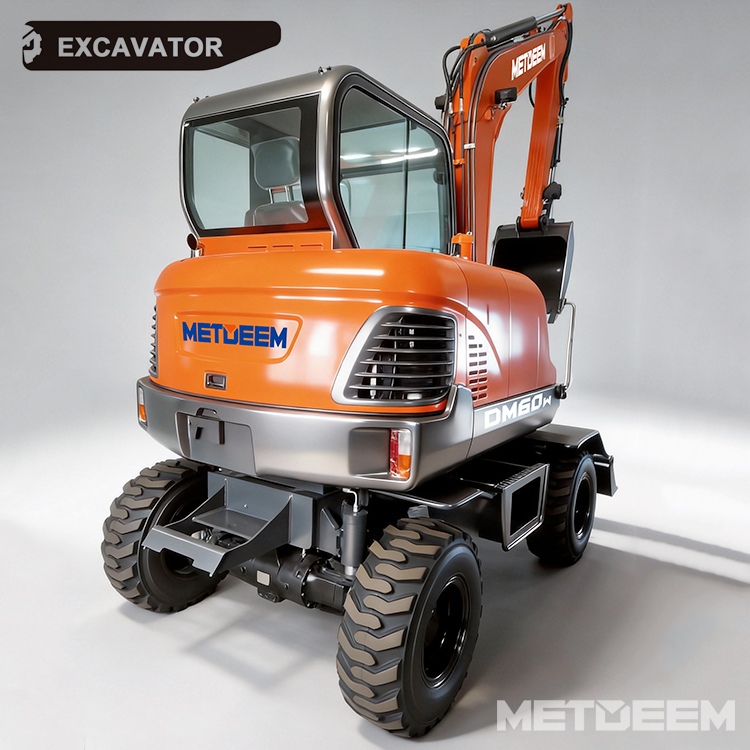
ميتديم supplies construction machines و hydraulic attachments for construction, mining, quarrying, agriculture, and related work. This guide explains the main technical points buyers should check before choosing a skid steer hydraulic breaker.
Start With the Material and the Actual Job
Breaker selection should begin with the work, not the product brochure. Concrete thickness, reinforcement, rock hardness, access limits, production targets, and operating hours all affect the required impact energy. A breaker used for occasional pavement repair has a different duty cycle from one working daily in a quarry.
Identify What You Need to Break
List the main materials and their condition:
- Plain concrete, reinforced concrete, asphalt, frozen ground, or natural rock
- Thin slabs, foundations, walls, trench surfaces, or large boulders
- Light daily use, repeated project use, or continuous heavy-duty work
- Open outdoor areas or confined urban sites
For thin concrete and asphalt, a smaller, faster breaker may give better control and cleaner edges. Thick reinforced concrete or hard rock usually needs greater impact energy and a heavier tool. Oversizing, however, can reduce stability and place excessive stress on the loader arms.
Define the Required Production Rate
Buyers often compare breaker prices but overlook cost per broken cubic meter. Estimate how much material must be removed each hour or shift. A lower-priced unit that works slowly may cost more through fuel use, operator time, and delays.
Ask the supplier for recommended applications, impact frequency, tool diameter, and duty level. When production targets are high, cooling capacity and long-duration hydraulic performance matter as much as initial impact force.
Match the Breaker to the Skid Steer Hydraulic System
Hydraulic compatibility is the most important technical check. A skid steer jack hammer depends on the carrier’s oil flow and pressure. If either value is outside the breaker’s working range, impact performance will fall and internal parts may wear quickly. Never choose an attachment by physical size alone.
Check Auxiliary Hydraulic Flow
Compare the breaker’s required oil flow with the skid steer’s available auxiliary flow, shown in liters per minute. The flow should remain inside the attachment’s stated range during real operation.
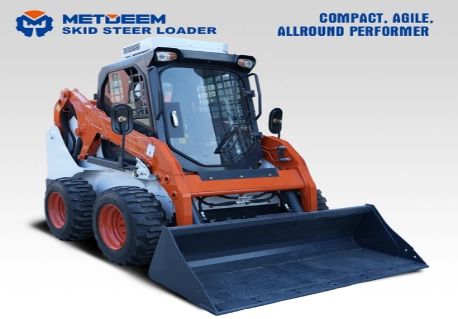
For example, the METDEEM DM08 mini skid steer provides:
- Standard hydraulic flow: 69 L/min
- High hydraulic flow: 99 L/min
- Maximum loader hydraulic pressure: 23,000 kPa
A breaker designed for 45–75 L/min may suit the standard-flow circuit, while one requiring 80–100 L/min may need high flow. Final matching must also consider pressure, return conditions, coupler size, and the approved carrier range.
Check Pressure and Back Pressure
High pressure does not automatically mean stronger breaking. The attachment must be built for the carrier’s working pressure. Excess pressure may damage seals, hoses, valves, or the breaker body. Low pressure can cause slow cycling and weak impact.
Return-line back pressure is equally important. A restricted coupler, narrow hose, dirty filter, or incorrect return path can create heat and reduce striking power. Ask for the maximum permitted back pressure and compare it with the carrier circuit.
Check Carrier Weight, Stability, and Mounting
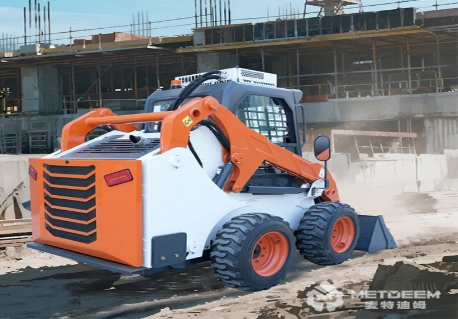
The attachment must remain stable when the boom is raised, lowered, or pressed against material. Carrier weight, rated operating capacity, tipping load, lift geometry, and working position all influence safe breaker size. This is especially important on slopes, uneven ground, and demolition sites with broken surfaces.
The DM08 has an operating weight of 2,653 kg, a rated operating capacity of 705 kg, and a tipping load of 1,410 kg. These figures are useful references, but approved attachment weight should come from a complete carrier-and-breaker review.
Check the following:
- Breaker operating weight, including bracket and tool
- Coupler type and plate dimensions
- Hose length, routing, and abrasion protection
- Loader arm clearance at full curl and full dump
- Stability when the breaker is vertical or angled
- Transport height and trailer weight limits
At METDEEM, we recommend sharing the carrier model, hydraulic flow, pressure, machine weight, and application before ordering. Our team can compare these details with our hydraulic breaker range and help narrow the suitable size.
Select the Right Tool Shape for the Material
The breaker body creates the impact, but the working tool transfers that energy into the material. A poorly chosen tool can increase blank firing, slow penetration, and create unwanted cracks. Most projects need one of three common tool forms, each serving a different breaking pattern and surface condition.
Moil Point
A moil point concentrates impact into a small area. It is useful for general concrete breaking, hard ground, trench work, and starting cracks in rock. It penetrates well but may not give the cleanest split in layered material.
Chisel Tool
A chisel has a wider edge and directs force along a line. It suits concrete slabs, asphalt, foundations, and controlled trench edges. The operator should align it with the desired crack direction rather than twisting it inside the material.
Blunt Tool
A blunt tool spreads impact over a wider surface. It is often chosen for large rock, secondary reduction, and crushing brittle material. It is less suitable when deep penetration is needed.
Consider Noise, Dust, and Jobsite Rules
Urban demolition and indoor work bring stricter concerns about dust, noise, flying debris, and nearby workers. The breaker should be selected as part of a complete work method. A quieter housing, correct tool contact, planned work zones, and dust control can reduce disruption and health risks.
When fracturing silica-containing materials, heavy equipment operators should follow applicable dust-control rules. The U.S. construction silica standard calls for enclosed cabs in certain demolition tasks and water or dust suppressants when workers outside the cab are involved.
Practical measures include:
- Keep people outside the debris and rebound area
- Use water spray or suitable dust suppression
- Inspect cab seals, filters, doors, and windows
- Avoid blank firing and prolonged hammering at one point
- Use required hearing, eye, respiratory, and head protection
- Stop work if hoses leak or the attachment moves unexpectedly
Compare Durability, Service Access, and Total Cost
Purchase price is only one part of breaker cost. Tool wear, bushings, seals, gas service, hydraulic oil condition, hose replacement, and downtime affect the real return. A breaker with easy service access and available parts may be more valuable than a cheaper unit with long repair delays.
Before buying, ask:
- How often should the tool and bushings be inspected?
- Which grease type and interval are required?
- Are seal kits, hoses, tools, and brackets available?
- What signs show low gas pressure or internal leakage?
- What warranty terms apply to wear parts?
- Can the supplier provide matching records and technical support?
METDEEM controls product quality from processing through delivery and supplies machines and attachments for international applications. More information about our manufacturing background is available on the About METDEEM page. Buyers can also review our market activity through our exhibition page.
Avoid Common Buying Mistakes
Many breaker problems begin before the attachment reaches the jobsite. The following mistakes are common and expensive:
- Choosing only by carrier horsepower
- Ignoring liters-per-minute requirements
- Assuming high flow is always better
- Selecting the heaviest breaker the loader can lift
- Using an incorrect coupler or hose diameter
- Forgetting return-line back pressure
- Buying without checking replacement parts
- Using one tool shape for every material
- Running continuously without cooling pauses
- Allowing operators to pry with the breaker tool
A clear specification sheet should be agreed upon before shipment. It should list carrier data, breaker weight, flow range, pressure range, tool diameter, bracket type, hose size, coupler standard, and intended material.
استنتاج
Choosing the right skid steer jack hammer requires a balanced technical decision. Begin with the material, thickness, duty cycle, and required output. Then match oil flow, pressure, back pressure, carrier weight, coupler dimensions, and tool type. Safety, dust control, service access, and parts supply should also influence the final purchase. A correctly matched breaker delivers steady impact, lower heat, better stability, and longer component life. An oversized or poorly matched attachment may look powerful but often creates higher costs and more downtime. METDEEM works with buyers to review machine data and application needs before recommending a suitable hydraulic breaker. Careful selection at the start makes daily operation safer, more predictable, and more economical.
FAQs
What hydraulic flow does a skid steer jack hammer need?
Match the breaker range; the METDEEM DM08 offers 69 L/min standard and 99 L/min high flow.
How much can the METDEEM DM08 carry?
Its rated operating capacity is 705 kg, with a 1,410 kg tipping load.
What are the DM08 hydraulic oil capacities?
The hydraulic system holds 45 L, while the hydraulic tank holds 34 L.