By 2026, contractors will require one machine capable of handling several different jobs. These tasks include trenching, demolition, grading, loading, land clearing, compacting, and material handling. For this reason, excavator attachments have become a vital part of jobsite planning. Yet the wrong choice can slow the project, raise fuel use, damage hydraulic parts, and shorten overall machine life. Buyers often deal with too many choices. The main challenge comes in picking the attachment that fits the excavator, hydraulic flow, soil conditions, available workspace, and project budget. A bucket, hydraulic breaker, grapple, compactor, shear, or quick hitch may seem simple at first.
Why Excavator Attachments Matter in 2026
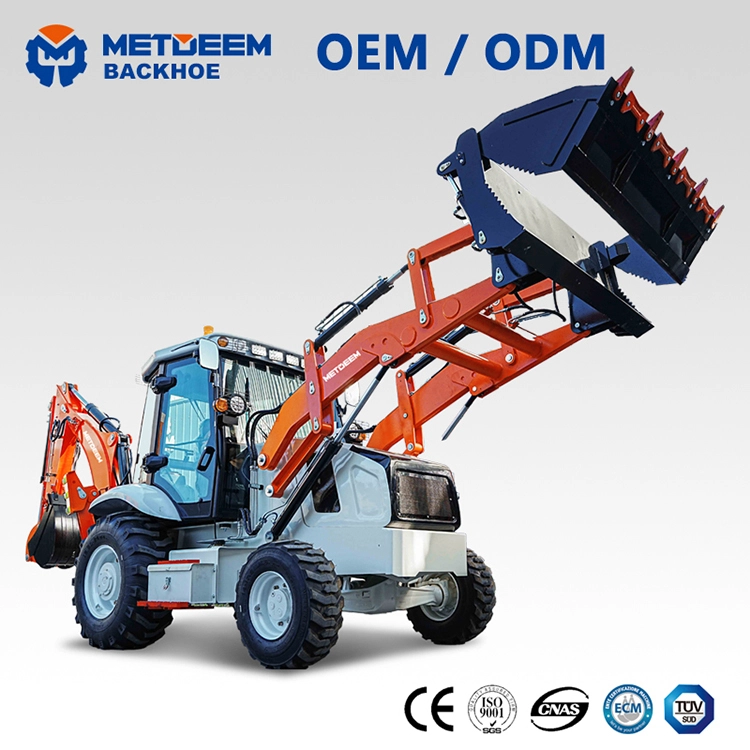
Construction projects now operate under tighter schedules and rising labor costs. Many sites also present varied working conditions. A contractor might break concrete early in the day, dig trenches around midday, and clean a slope later in the afternoon. Purchasing additional machines is not always a practical solution. Instead, selecting suitable excavator attachments offers a flexible and cost-effective method to increase machine utilization.
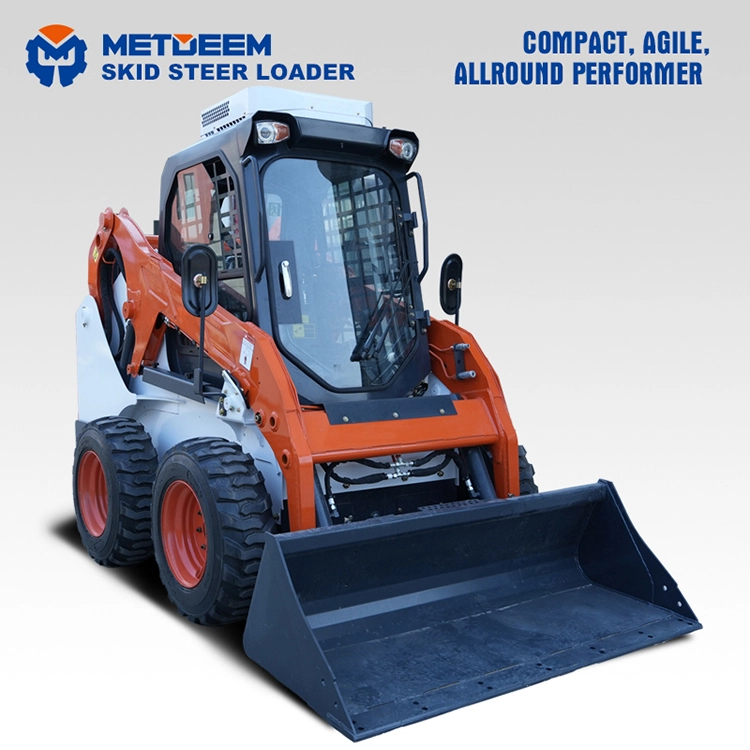
Bei METDEEM, we manufacture construction machines and hydraulic attachments for jobsites, mining, farms, agriculture, quarries, and other heavy-duty applications. Our range includes excavators, buckets, hydraulic breakers, grapples, compactors, quick hitches, and various other attachment solutions.
Match Excavator Attachments to the Real Job First
A tool that performs effectively in soft soil may fail in rocky ground. A breaker suitable for light concrete work could prove too weak for road repair. A large bucket can move more material in each pass. However, it may also decrease digging force and affect machine stability.
Buckets for Digging, Trenching, and Grading
General digging buckets work well with soil, sand, clay, and standard construction materials. Trenching buckets are narrow. They prove useful for installing pipes, cables, irrigation lines, and drainage systems. Wide grading buckets support slope shaping, ditch cleaning, and light leveling work.
When selecting an excavator bucket, consider these factors:
- Eimerbreite
- Bucket weight
- Tooth type
- Cutting edge strength
- Pin size
- Soil hardness
- Excavator operating weight
A bucket that is too wide can reduce digging force. It may also cause a mini excavator to become unstable when lifting wet soil. For smaller machines, proper balance remains more critical than overall size.
Hydraulic Breakers for Concrete and Rock
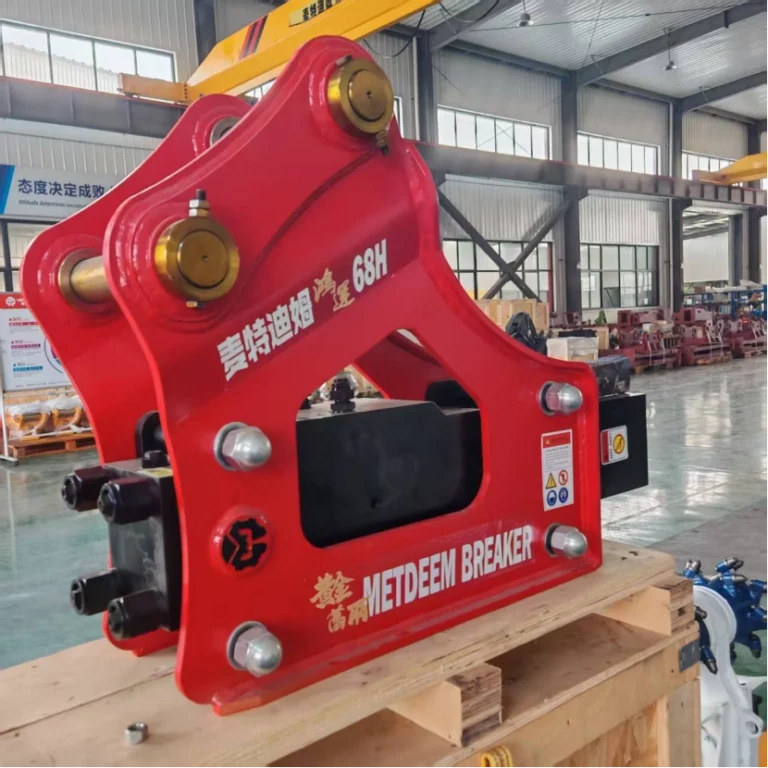
A hydraulic breaker for excavator use is widely applied in demolition, road repair, foundation removal, and rock breaking. It converts hydraulic power into repeated impact energy. Selection should never rely solely on price or chisel size.
The breaker must correspond correctly with the excavator’s weight, oil flow, and operating pressure. If the breaker is too small, progress becomes slow. If it is too large, it can damage the pump, hoses, seals, arm, and bushings.
Before purchasing a hydraulic breaker, verify these specifications:
- Excavator weight class
- Required oil flow in L/min
- Arbeitsdruck
- Chisel diameter
- Impact rate
- Hose size
- Mounting bracket
- Spare parts support
Heavy concrete, road, or quarry applications usually require a more powerful breaker. Smaller renovation or farm projects may only need a compact model.
Check Hydraulic Compatibility Carefully
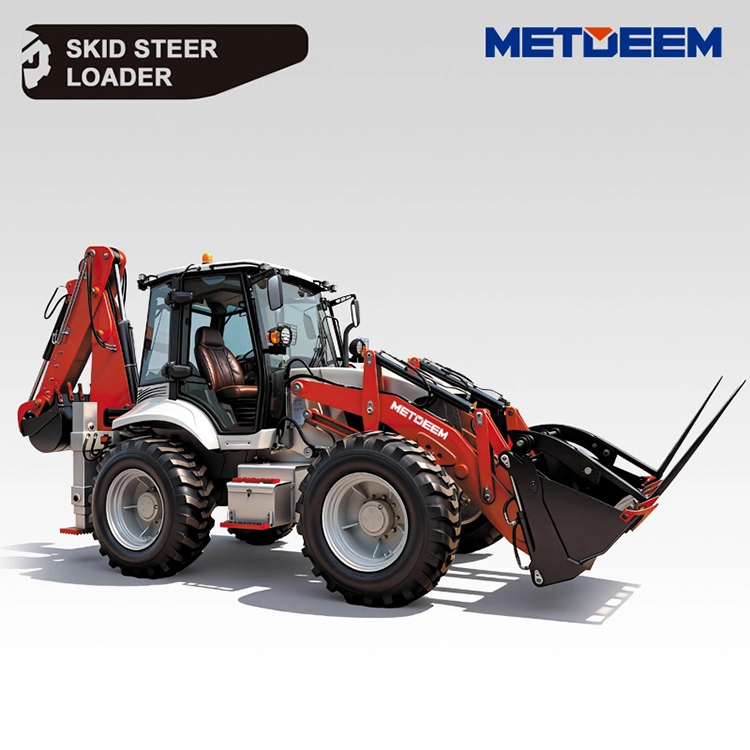
Hydraulic compatibility represents one of the most critical aspects of excavator attachment selection. Many problems occur simply because the attachment and machine are not properly matched. Breakers, compactors, rotating grapples, and shears all demand accurate oil flow and pressure levels.
Oil flow determines working speed while pressure determines force output. Low oil flow can cause a breaker to deliver weak strikes. Unstable pressure may result in slow grapple movement or insufficient material grip. Older machines sometimes suffer from worn pumps or internal leaks. These issues reduce actual hydraulic performance.
Choose by Excavator Size
Excavator size directly influences attachment weight, working force, operational safety, and long-term durability. A larger attachment does not automatically deliver better results. Tools that are too big can cause delayed response, increased fuel consumption, hydraulic strain, and unstable performance.
Proper selection also extends equipment life and improves overall job efficiency. Users should always check manufacturer guidelines before adding any new tool. Common mini excavator attachments include:
- Digging bucket
- Trenching bucket
- Hydraulischer Schalter
- Auger
- Small grapple
- Rake
- Kompaktor
- Quick hitch
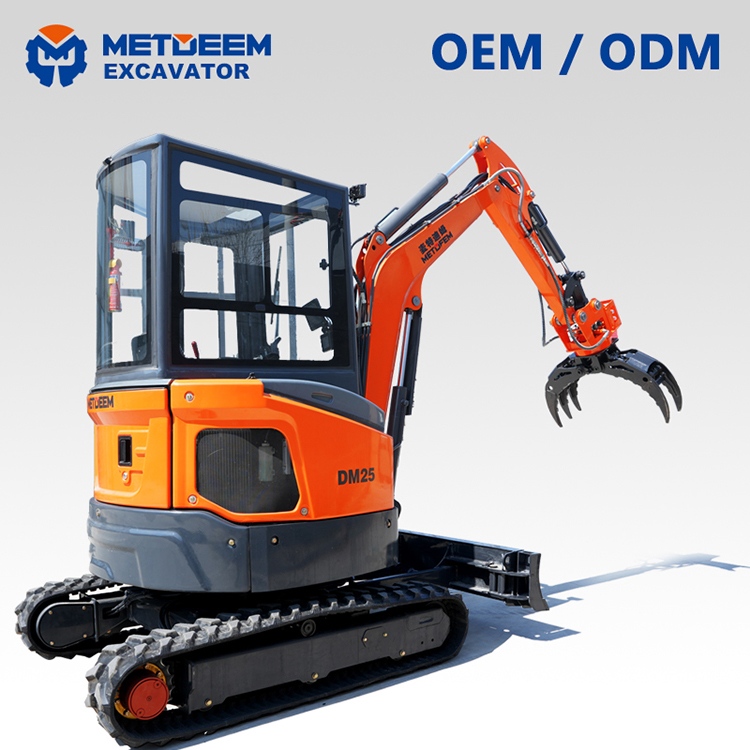
METDEEM supplies mini excavators from 0.8 ton to 6 ton along with compatible attachment options for various applications. We assist buyers in evaluating excavator size, attachment weight, hydraulic flow, and job requirements during the selection process.
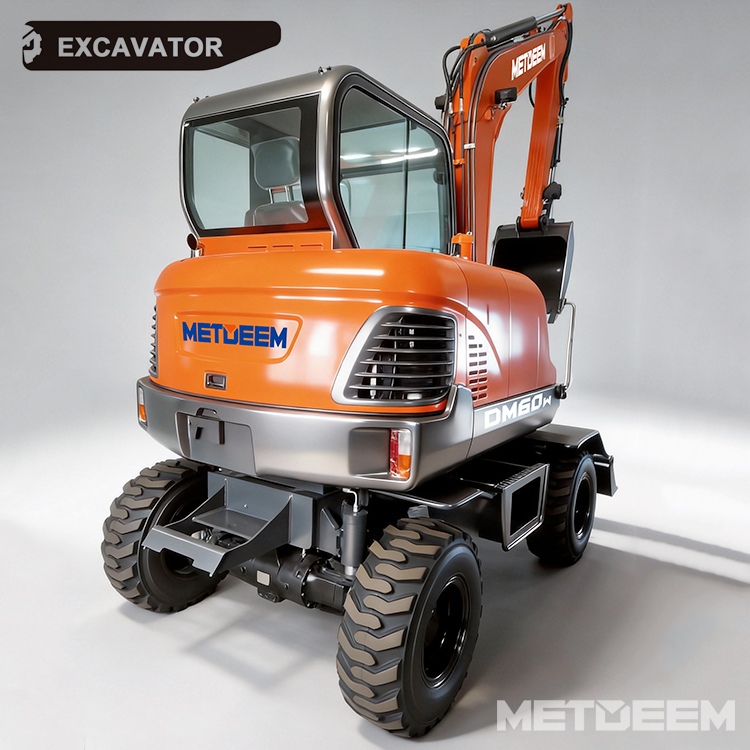
For medium and larger excavators, it remains important to focus closely on structural strength. Elements like steel thickness, weld quality, pin reinforcement, wear plates, hose protection, and spare parts availability all affect long-term operating costs. Greater attention to these details helps reduce unexpected downtime. It also supports better performance over many working hours. Operators and fleet managers often review these points before making final choices. Strong construction in these areas leads to lower repair expenses and more reliable daily output.
Do Not Ignore the Quick Hitch
A quick hitch for excavator use can save considerable time when multiple tools are needed during the same workday. An operator might begin with a trenching bucket, switch to a breaker, and later change to a grading bucket. Without a quick hitch, these changes require extra labor and extend project time.
Mechanical quick hitches are straightforward and more affordable. Hydraulic quick hitches enable faster changes directly from the cab. However, they require proper hydraulic connections and regular safety checks of the locking mechanism.
When selecting a quick hitch, examine these points:
- Pin Durchmesser
- Pin center distance
- Excavator weight class
- Locking method
- Safety device
- Attachment compatibility
- Operator visibility
Safety must always come first. Operators should verify that the attachment is completely locked before any lifting, digging, or breaking activity begins.
Consider Total Cost, Not Only Price
Many buyers pay close attention mainly to the first cost of excavator attachments. This method stays easy yet often fails to work best. A cheap bucket can break down fast. A poor breaker might need regular changes of seals, chisels, bushings, and similar items. A weak quick hitch can lead to lost time each day. Total cost includes the purchase price, shipping fees, setup time, wear parts, fuel use, repair expenses, downtime, and extra pressure on the machine. Good attachments usually give better value. They fit the excavator well, run smoothly, and reduce surprise fixes. At METDEEM, we focus on exact product matching, steady spare parts supply, and solid after-sales support. We know contractors, dealers, and rental companies need reliable products. These items help daily work and build repeat business.
Maintenance Habits That Protect Attachments
Selecting the right excavator attachments marks just the start. Regular daily maintenance decides how long both the machine and its tools will last. Excavators often face dust, soil, mud, rain, heat, and rock. These conditions speed up wear, lead to corrosion, and trigger hydraulic issues. Before work begins, operators need to check oil, coolant, fuel, hydraulic fluid, hoses, wiring, filters, and lubrication points on the bucket. Once the work ends, they must clear built-up mud, inspect pins for signs of wear, look for cracks, and search for any leaks.
Operators must also avoid overloading the attachment or using incorrect working angles. A breaker should never be used to pry rock. A bucket should not be twisted under excessive side loads. A grapple should only lift materials while positioned on stable ground.
Dirt and water must be prevented from entering hydraulic lines. Operators should clean couplers before making any connection. They must also keep unused hoses capped at all times. When hydraulic oil temperature rises too high, the operator should stop the machine right away. This allows time for a careful inspection.
Schlussfolgerung
Choosing the right excavator attachments for 2026 construction projects requires looking beyond basic tool names. Buyers must match each attachment to machine size, hydraulic flow, job material, working space, maintenance practices, and overall long-term cost. A bucket, breaker, grapple, compactor, shear, or quick hitch provides real value only when it matches both the excavator and the specific task. Making a poor choice based merely on price or basic size often leads to major operational problems. METDEEM offers practical attachment solutions for customers seeking reliable tools and clear technical guidance.
FAQs
Q: What is the best excavator attachment for concrete breaking?
A: A hydraulic breaker matched with L/min flow and kg machine class.
Q: What size excavator bucket should buyers choose?
A: Choose by bucket width, kg machine class, soil type, and depth.
Q: Can one mini excavator use many attachments?
A: Yes. Use a quick hitch and match each tool to L/min flow.