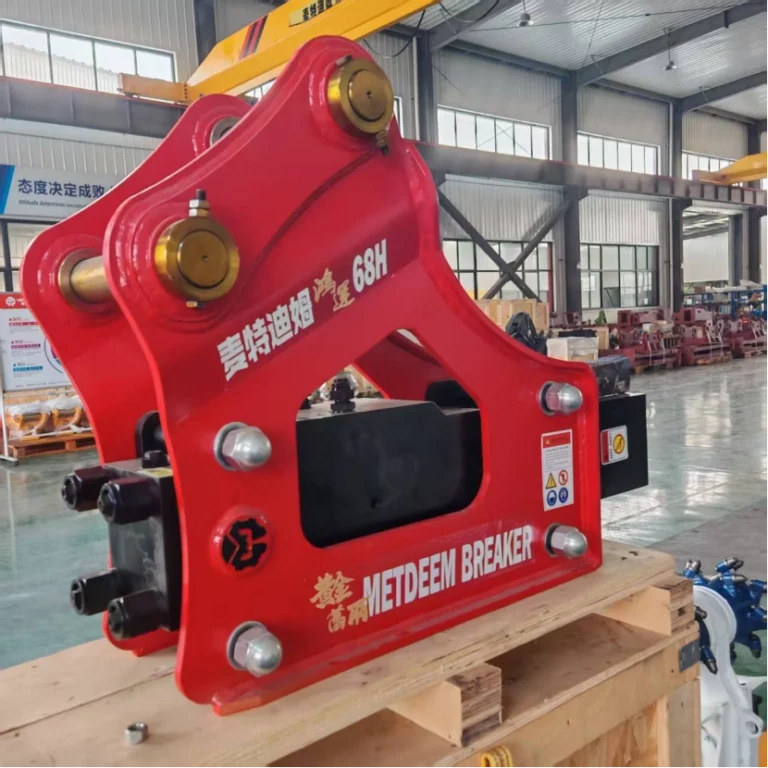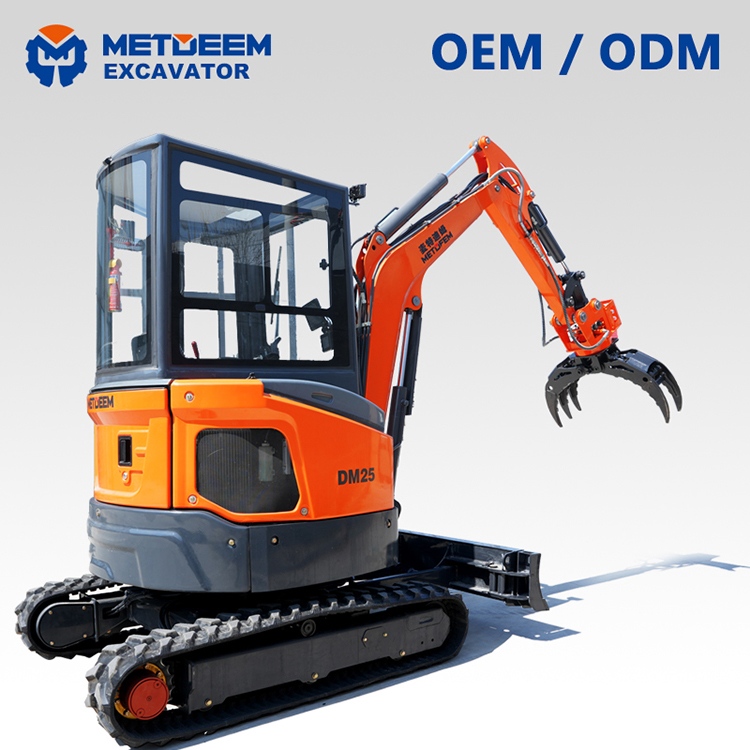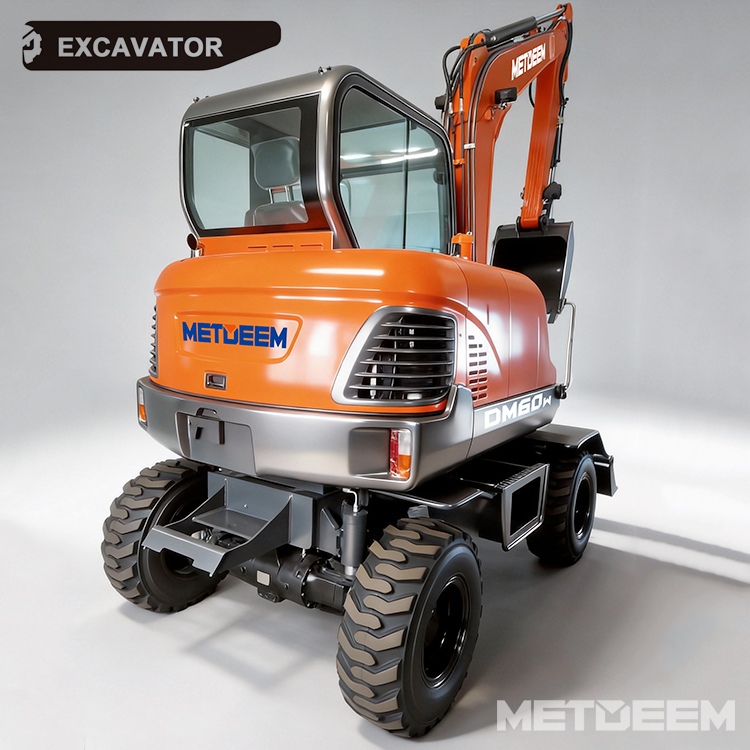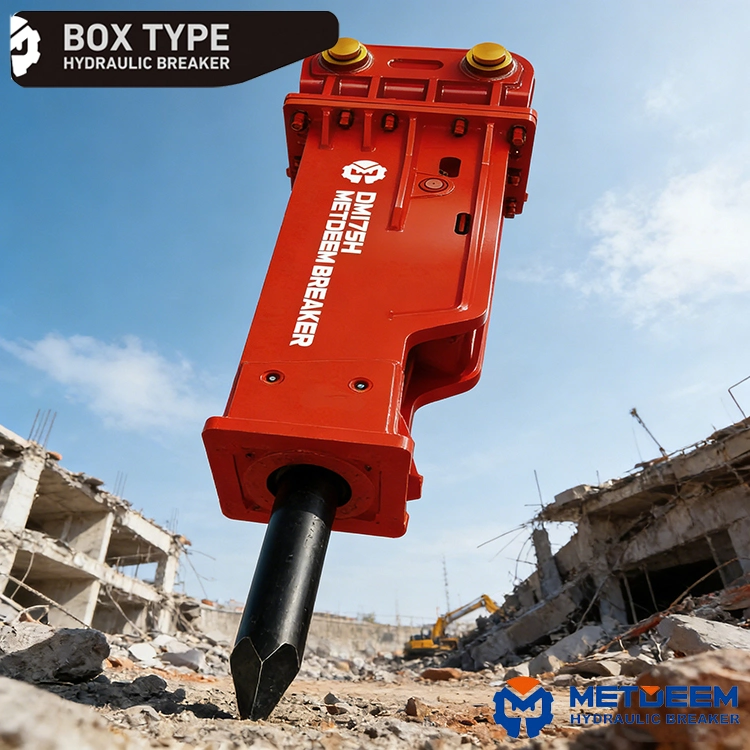
A hydraulic breaker for excavator work is a key attachment for demolition, road repair, quarry work, foundation removal, rock breaking, and trenching support. It can turn an excavator into a powerful breaking machine. However, many buyers still choose a breaker only by price, appearance, or chisel size. This can lead to weak impact, high oil temperature, hose leakage, fast seal wear, and even damage to the excavator.
In 2026, construction projects are under stronger pressure from tight schedules, higher labor costs, and mixed jobsite needs. Contractors want one machine to handle more tasks. Rental companies need attachments that fit different projects. Dealers need models that are easy to explain, support, and reorder. For these buyers, matching the hydraulic breaker with the excavator directly affects working speed, repair cost, service life, and customer satisfaction.
Why Hydraulic Breaker Matching Matters
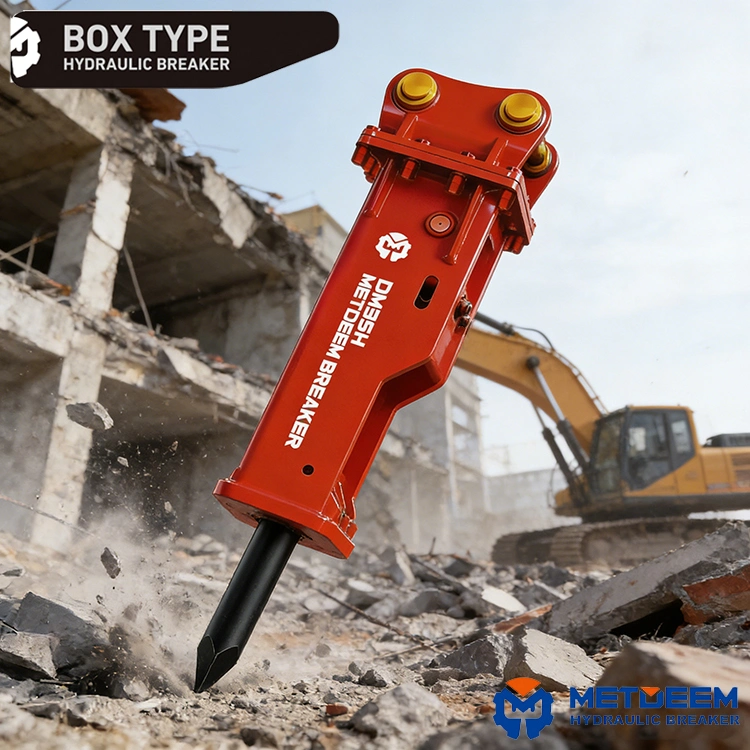
A hydraulic breaker does not work alone. It depends on the excavator’s weight, hydraulic system, boom structure, arm strength, oil flow, pressure, operator skill, and working material. When the breaker and excavator are well matched, impact force stays stable, the machine works with less strain, and the operator can control the tool more easily.
If the match is wrong, problems appear quickly. A breaker that is too small may strike fast but fail to break hard material. A breaker that is too large may overload the excavator and cause worn bushings, cracked brackets, hot oil, leaking seals, or slow machine movement.
Bei METDEEM, we manufacture hydraulic breakers and excavator attachments for construction sites, mining, agriculture, quarry work, road repair, and demolition fields. Our products include box type hydraulic breakers, side type hydraulic breakers, top type hydraulic breakers, buckets, grapples, compactors, and quick hitches.
Match Breaker Power with Excavator Weight
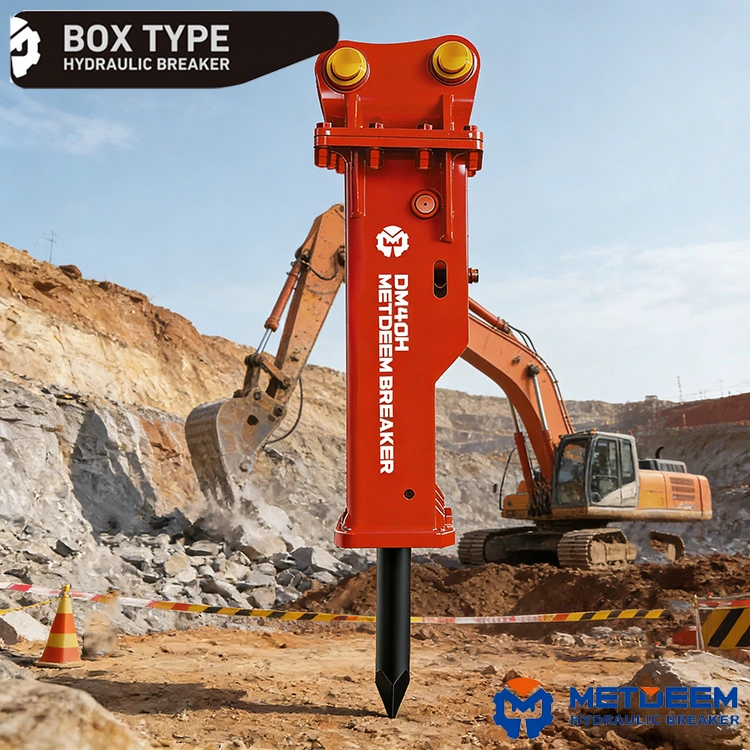
Breaker power should first match the excavator’s operating weight. The excavator must be heavy enough to hold the breaker firmly, but the breaker should not be too large for the machine. A correct weight match helps keep balance, impact force, and safety.
For light-duty jobs such as small concrete removal, farm road repair, garden renovation, and brick structure removal, a compact breaker is often enough. These jobs need control and accuracy, not only impact force. For mini excavators, attachment weight is especially important because small machines have limited counterweight and hydraulic power.
Buyers should check:
- Excavator weight in kg
- Breaker body weight in kg
- Chisel diameter
- Arbeitsdruck
- Oil flow range in L/min
- Daily working time
- Material hardness
For medium and heavy work, such as road breaking, bridge repair, quarry secondary breaking, and thick foundation removal, buyers need stronger impact energy and better structure. The breaker housing, piston, cylinder, chisel, bracket, and seals must handle repeated shock. Buyers can review METDEEM’s Hydraulikbrecher range before final selection.
Check Hydraulic Flow Before Ordering
Hydraulic flow is one of the most important numbers for a hydraulic breaker for excavator use. It is usually shown in L/min. Flow affects how fast the breaker cycles and how steady the impact feels. Too little flow makes the breaker weak and slow. Too much flow can create heat, seal damage, and rough operation.
Buyers should not only look at excavator tonnage. Two excavators with similar weight may have different pump capacity. Machine age, pump wear, hose condition, valves, and auxiliary lines can also affect real flow.
Before buying, check:
- Excavator auxiliary flow in L/min
- Breaker required flow range
- Return line size
- Hose diameter
- Quick coupler size
- Filter condition
- Oil cleanliness
Poor flow matching often causes weak impact, slow breaking speed, high hydraulic oil temperature, hose shaking, oil leakage, abnormal sound, and fast seal wear. Some issues come from the breaker, while others come from blocked filters, dirty oil, worn pumps, or poor return lines.
Match Working Pressure with Material Hardness
Pressure affects breaking force, while flow affects speed. Both must match the breaker and the job material. Thin concrete, asphalt, reinforced concrete, and hard rock all need different impact levels.
For concrete and asphalt breaking, buyers should consider material thickness, steel reinforcement, noise limits, and working space. A box type hydraulic breaker is often chosen for urban demolition and road repair because its enclosed housing can help reduce noise and protect the main body. METDEEM provides box type hydraulic breakers for road repair, construction material breaking, and urban work.
For rock and quarry work, buyers need stronger impact and careful operation. The chisel should work with steady vertical force. It should not be used as a pry bar. Side force can damage the chisel, bushings, front head, and arm connection area.
Choose the Right Breaker Type
Different hydraulic breaker types suit different jobsite needs. Buyers should choose by material, space, noise control, operator habit, and maintenance plan.
Top Typ Hydraulikbrecher
A top type hydraulic breaker offers good visibility and a simple vertical structure. It is often used in mining, quarry work, foundation breaking, and general construction. Buyers can check METDEEM top type hydraulic breakers for rock, road, and stone breaking needs.
Seitentyp Hydraulikbrecher
A side type hydraulic breaker is common in road work, building demolition, trenching support, and general breaking tasks. It offers balanced structure and easy service access. METDEEM side type hydraulic breakers are suitable for mixed jobsites and regular construction use.
Box Typ Hydraulischer Breaker
A box type hydraulic breaker has a closed housing. It can help reduce noise and protect the breaker body from outside impact. This type is useful for urban work, municipal projects, and sites with noise limits.
Judge Working Conditions Before Final Selection
A hydraulic breaker for excavator work must match the real site. Buyers should consider material type, work area, weather, dust, working hours, noise rules, operator skill, and maintenance conditions.
Maintenance Factors That Affect Breaker Life
Even a well-matched hydraulic breaker can fail early if its maintenance remains poor. These breakers operate under constant shock, dust, vibration, heat, and high pressure. For this reason, daily care becomes essential for both the breaker and the excavator. Operators must inspect hydraulic oil, hoses, couplers, filters, grease points, chisel wear, and oil temperature before starting work. While working, they need to listen for any unusual sounds. At the same time, they should watch for weak impact, oil leakage, or sudden rises in temperature. The chisel requires regular greasing. If it lacks sufficient grease, the chisel, bushings, and front head will experience rapid wear.
Use Other Attachments to Support Breaker Work
A hydraulic breaker is often used with other excavator attachments. After concrete or rock is broken, the site may still need cleaning, sorting, loading, or leveling. A bucket can remove broken material. A grapple can sort waste. A quick hitch can help change between breaker and bucket faster. A compactor can finish trench backfill.
METDEEM also supplies other Baggerzubehör, including buckets, grapples, compactors, shears, and quick hitches. Our products are designed for buyers who need practical tools for different jobsite tasks.
What B2B Buyers Should Ask Suppliers
Contractors, dealers, and rental companies need more than a price. They need clear matching data and stable support. Before ordering, buyers should ask for:
- Suitable excavator weight in kg
- Breaker weight in kg
- Required oil flow in L/min
- Arbeitsdruck
- Chisel diameter
- Schlagfrequenz
- Hose and coupler details
- Bracket size
- Spare parts list
- Lead time
- Warranty terms
Schlussfolgerung
Choosing a hydraulic breaker for excavator work involves more than simply selecting a powerful hammer. It requires careful matching with the excavator weight, hydraulic flow, pressure, material hardness, working hours, noise limits, and maintenance habits. A proper match can increase breaking speed, reduce downtime, and protect the excavator. A poor match may lead to weak impact, overheating oil, leakage, high repair costs, and reduced service life. For contractors, dealers, and rental companies, the best breaker remains the one that suits the actual jobsite and carrier machine. METDEEM can supply hydraulic breaker and attachment options for buyers who seek practical matching support together with reliable products for daily construction work.
FAQs
Q: What hydraulic breaker for excavator should match an 8,000 kg machine?
A: Choose a breaker rated for 8,000 kg excavators and matched L/min flow.
Q: How much oil flow does a hydraulic breaker need?
A: It depends on model size, usually shown as a required L/min range.
Q: Can one excavator use different hydraulic breakers?
A: Yes, if each breaker matches kg weight, L/min flow, and pressure.