En el exigente campo de la construcción pesada y la minería, las máquinas se enfrentan a condiciones climáticas adversas a diario. Las excavadoras se enfrentan a la humedad constante en las estaciones tropicales, a las brisas costeras salinas y al lodo abrasivo en las canteras activas. Las excavadoras se enfrentan a una importante amenaza oculta: la corrosión. Si se ignora, el óxido causa más daño del que parece. Debilita el bastidor, provoca paradas costosas y acorta la vida útil de sus costosas herramientas. METDEEMSabemos que la resistencia es clave para el éxito de un equipo. Como fabricantes experimentados de maquinaria pesada, diseñamos cada excavadora METDEEM para soportar entornos difíciles. Esta guía explica los pasos prácticos para prevenir la corrosión y el óxido. Muestra cómo nuestra calidad de fabricación, junto con un mantenimiento regular, prolonga la vida útil de sus máquinas al aire libre.
Comprender la mecánica de la corrosión en las excavadoras
El impacto de los ambientes con alta humedad y salinidad
El agua es el principal factor que impulsa el proceso de oxidación. Cerca del mar, las partículas de sal en el viento aceleran este proceso, convirtiendo pequeñas marcas superficiales en profundos agujeros. Las máquinas en estas zonas salinas tienen muchas más probabilidades de sufrir desgaste metálico por corrosión.
Reacciones químicas en lugares de trabajo fangosos y ácidos
El lodo retiene más que tierra. A menudo transporta minerales y ácidos vegetales que desgastan lentamente las capas exteriores. Cuando este lodo se adhiere a la base de una excavadora METDEEM, retiene el agua. Esta situación permite que el óxido crezca en zonas ocultas.
METDEEM’ s Estándares avanzados de fabricación anticorrosión
Tecnología de recubrimientos y pinturas protectoras de alto rendimiento
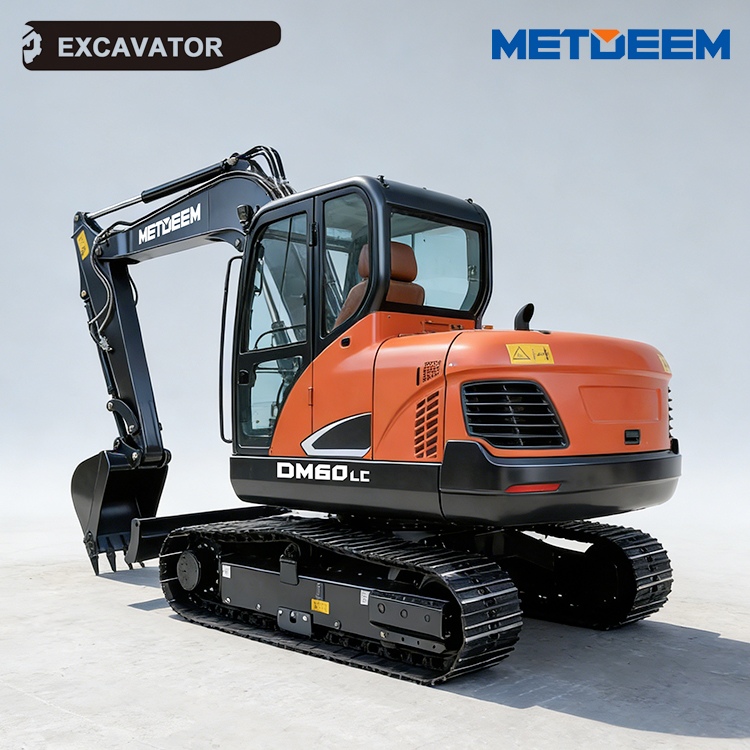
En METDEEM, nos enfocamos en un trabajo sólido de principio a fin. Nuestra alineación, como la Excavadora de orugas DM60LCSe somete a un proceso de pintura detallado en varias etapas. Aplicamos capas de poliuretano resistentes que forman una fuerte barrera contra el agua y los productos químicos agresivos.
Selección de aceros especiales resistentes a la corrosión
La resistencia perdura en nuestros diseños. Seleccionamos metales resistentes de baja aleación que soportan mejor la corrosión atmosférica que los de carbono. Esta elección resulta fundamental para accesorios robustos como el cucharón para rocas DM02 o el cucharón esqueleto DM06. Estas piezas están expuestas a rozaduras constantes.
Características de diseño para minimizar los puntos de retención de agua
Diseñamos nuestras máquinas para minimizar la acumulación de agua o suciedad. Los conductos de flujo uniformes y los sellos herméticos ayudan a evitar la oxidación interna.
Protocolos esenciales de limpieza y descontaminación diarias
Eliminación segura de sal, lodo y residuos químicos
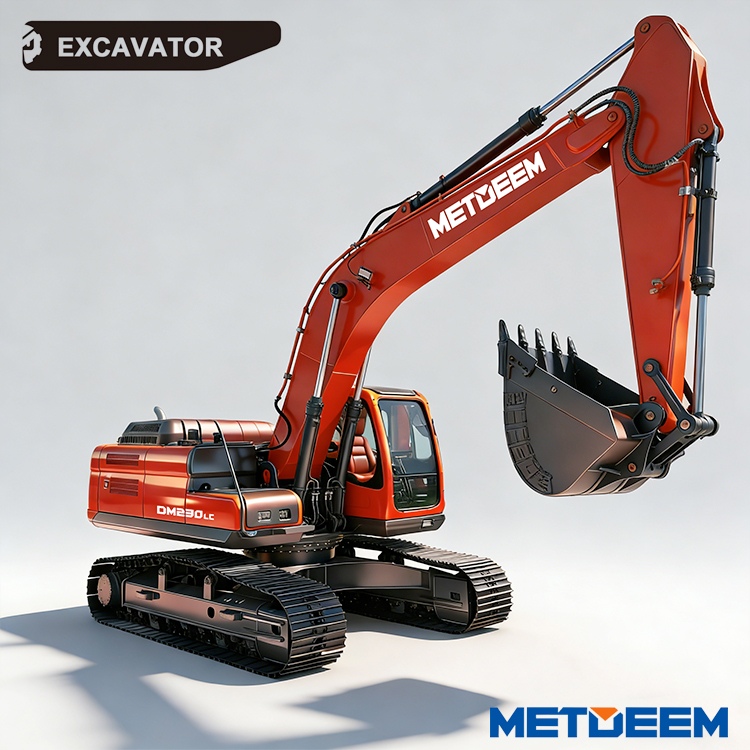
Después de un día en un pozo húmedo o en la orilla, un enjuague completo es imprescindible. Comience con un flujo de agua suave para romper el barro espeso de su Excavadora METDEEMLuego, cambia a corrientes más fuertes para los tramos difíciles.
Técnicas de lavado a alta presión para juntas críticas
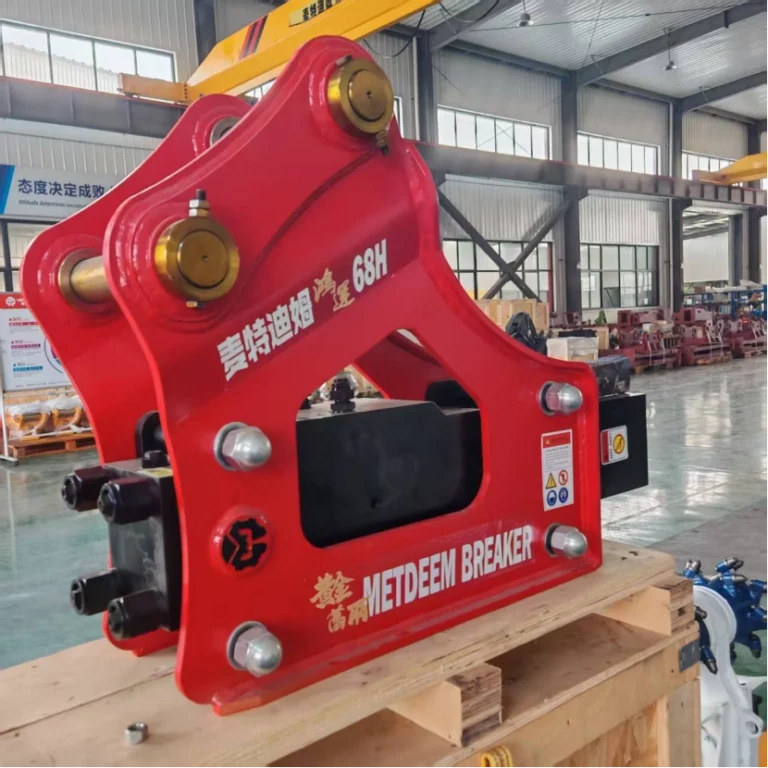
Los chorros potentes funcionan bien en la base. Sin embargo, evite apuntar directamente a los eslabones de alambre o los sellos hidráulicos. Para herramientas como el martillo hidráulico DM35, limpie la carcasa exterior. No introduzca agua en el espacio interior del vástago.
La importancia de un secado completo después del lavado
La limpieza por sí sola no resuelve el problema. El agua residual aún puede provocar óxido. Si es posible, estacione en una pendiente para que las gotas se escurran. Para equipos como la máquina de descanso con rotación de 360°, seque completamente los puntos de giro. Luego, aplique lubricante nuevo.
Lubricación estratégica para una protección eficaz contra la corrosión.
Creación de una barrera antihumedad para superficies metálicas expuestas.
El lubricante no solo reduce el desgaste, sino que también impide que el agua penetre en el metal. Una buena capa de grasa de litio en los pasadores y manguitos expuestos evita la entrada de humedad.
Buenas prácticas de lubricación para pasadores, casquillos y articulaciones
Siga un programa de lubricación fijo. Los accesorios de uso frecuente, como el cubo con abrazadera DM20, requieren revisiones periódicas en los puntos de giro. Esto elimina cualquier resto de agua que pueda filtrarse durante el uso.
Utilización de lubricantes anticorrosivos especializados para instalaciones marinas.
Cerca del agua, utilice aceites antiadherentes aptos para ambientes marinos. Estos aceites resisten el lavado con sal, por lo que las piezas de su excavadora METDEEM se mantendrán sueltas y libres de óxido.
Mantenimiento integral de pintura y reparación de superficies
Inspección del chasis de la excavadora METDEEM en busca de arañazos
Las revisiones son frecuentes. Cualquier corte que deje al descubierto el metal, sobre todo en unidades robustas, requiere una reparación inmediata. Esto evita que el óxido se extienda bajo la pintura.
Guía paso a paso para retocar la pintura dañada
- Limpie la zona con un limpiador para eliminar la grasa.
- Lija la zona oxidada hasta que el metal brille.
- Aplique una capa base a base de zinc.
- Para reconstruir el escudo, utilice pintura reparadora METDEEM original.
Aplicación de ceras y selladores protectores de calidad profesional.
En zonas muy húmedas, una cera especial en la parte superior ofrece protección contra el sol y el agua. Así, el grupo METDEEM se mantiene impecable.
Gestión de la integridad de los sistemas eléctricos e hidráulicos
Protección de conectores contra la oxidación y la entrada de humedad.
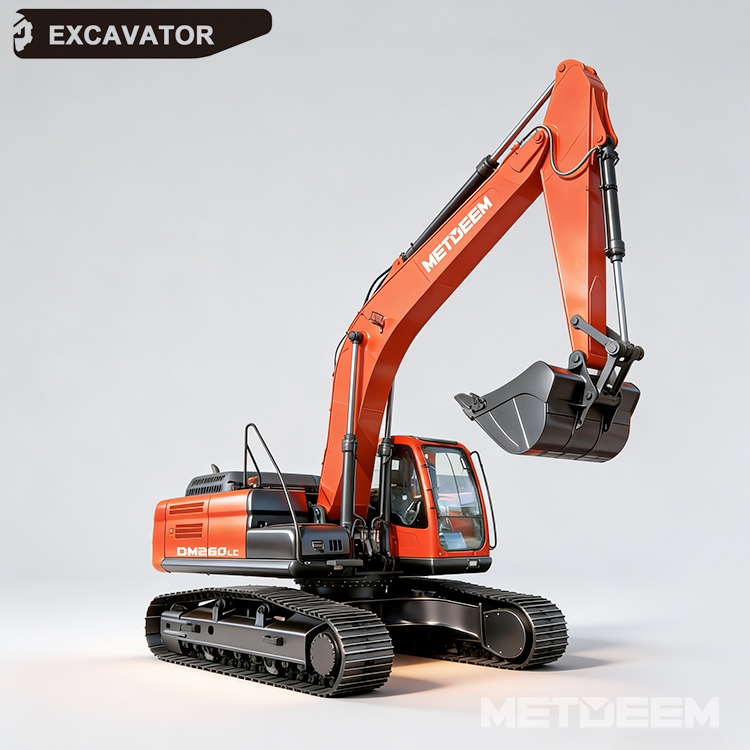
Los modelos más recientes, como la excavadora DM260LC, cuentan con sistemas de combustible inteligentes. Asegúrese de que todos los mazos de cables estén bien ajustados. Aplique grasa aislante en las juntas para evitar la oxidación que puede provocar averías.
Protección de cilindros hidráulicos y pulidos Pistón Superficies
El pistón hidráulico brilla con suavidad y puede oxidarse fácilmente. Para unidades inactivas como el martillo hidráulico DM53, tire del pistón hacia atrás o cúbralo con lubricante. Esto evita pequeñas picaduras en el brillo.
Inspección rutinaria de sellos y botas de protección
Las protecciones de goma impiden la entrada de agua. Revise con frecuencia las tapas de las palancas y los sellos del tanque de su excavadora METDEEM. Reemplace de inmediato cualquier tapa rota para proteger las piezas internas.
Cuidado optimizado de la excavadora al aire libre durante el almacenamiento estacional
Preparación de equipos para un período prolongado de inactividad durante la temporada de lluvias.
Para el almacenamiento, como en el caso de una minicargadora DM08 durante fuertes lluvias, realice primero una revisión completa. Cambie los fluidos para eliminar la suciedad y los fragmentos afilados que puedan dañar el motor o las tuberías internas.
Uso adecuado de cubiertas protectoras y ventilación.
Una cubierta que permita el paso del aire pero impida el paso del agua protege la cabina y el área del motor. Aun así, deje espacio debajo para la circulación del aire. Esto evita la acumulación de humedad en las superficies metálicas.
Estrategias para la conservación de baterías y componentes internos
Retire la batería y colóquela en un lugar seco y fresco. Aplique un sellador anticorrosivo en los extremos. Para el motor METDEEM, llene el depósito de combustible por completo. Esto elimina el espacio vacío donde se forman las gotas.
Capacitación y seguridad para operaciones en entornos hostiles
Implementación de un calendario de mantenimiento específico para la corrosión
Actúa antes de que aparezca el óxido. Elabora un plan según las características de tu terreno. El equipo que se encuentra en salinas o astilleros costeros necesita revisiones más frecuentes que las herramientas que se utilizan en tierra firme.
Proporcionar a los operarios listas de verificación para la inspección visual.
Enseñe a los trabajadores a detectar los problemas a tiempo. Una rápida inspección diaria de cinco minutos alrededor de su excavadora METDEEM permite identificar indicios de óxido o daños en la pintura. Esto reduce considerablemente los costos de reparación a largo plazo.
Conclusión
Proteger una excavadora METDEEM de la corrosión requiere un esfuerzo constante por garantizar la calidad y una larga vida útil. Nuestra empresa, Yantai Hansheng Heavy Industry Co., Ltd., se compromete a fabricar máquinas robustas y de primera calidad con certificaciones ISO 9001 y CE. Combine los sólidos métodos de construcción de METDEEM, como nuestras capas exteriores probadas, con un lavado, lubricación y mantenimiento regulares. Esto reduce las posibilidades de roturas del bastidor y la pérdida de tiempo. En definitiva, un control activo de la corrosión protege más de una herramienta. Protege los logros de su trabajo y mantiene la fiabilidad del equipo durante años, sin importar las condiciones más adversas.
Mejora la resistencia y el valor comercial de tu equipo.Contacta con METDEEM ahora Para artículos de mantenimiento especializado y complementos robustos para excavadoras.
Preguntas frecuentes
P: ¿Con qué frecuencia debo lavar mi excavadora METDEEM para evitar la oxidación?
A: En zonas costeras, con suelo salino o ácido, enjuague diariamente después de cada turno. Para áreas de construcción habituales, un lavado profundo semanal funciona bien. Simplemente retire rápidamente el lodo espeso de la base para evitar la acumulación de agua.
P: ¿Cuál es la parte más vulnerable de una excavadora a la corrosión?
A: La configuración básica, con cadenas, ruedas y guías, es la que más sufre. Está expuesta constantemente a tierra húmeda y gravilla. Además, las superficies lisas de las varillas hidráulicas se oxidan rápidamente si se exponen al aire sin una cubierta de aceite durante mucho tiempo.
P: ¿El aire salino afecta a mi excavadora aunque no esté en contacto con el océano?
A: Sí, el viento salino ataca con fuerza y se extiende kilómetros desde el mar. Pequeñas partículas de sal se depositan en el metal y atraen el agua, formando una mezcla salina que favorece la oxidación. En zonas costeras, rocíe una fina capa de protector antioxidante en las juntas abiertas y mantenga una capa de cera limpia en el marco para mayor seguridad.