In today’s world of material handling, the success of your operations often depends on one key choice: picking the correct attachment for your carrier. At METDEEM, we have devoted years to refining the design of reliable construction equipment, including our well-known hydraulic breakers and our flexible lineup of excavators and loaders. As a leading producer, we know that a universal solution simply does not suit varied settings like scrap yards, ports, or demolition areas. One of the toughest decisions our customers make involves selecting the Hydraulic and Electric Orange Peel Grapple. If you run a heavy-duty excavator or a fixed crane, the power type of your grapple affects your energy expenses, upkeep routines, and ecological impact. This guide draws on our production knowledge to assist you in understanding the details of METDEEM grapple selection. It helps make sure your pick fits exactly with your particular job conditions.
Understanding the Drive Mode Comparison
Power Dynamics of METDEEM Hydraulic Systems
The hydraulic type of our orange peel grapple serves as the reliable mainstay in the field. It depends on the carrier’s hydraulic setup—for example, the strong pressure lines in our METDEEM DM260LC excavator—to move the tines. These grapples stand out for their impressive “digging” and “penetration” power. Since the energy links directly to the machine’s engine, the hydraulic grapple allows a smooth shift between shifting the carrier and grabbing materials.
Efficiency Advantages of Electric Drive Units
On the other hand, our electric-powered grapples focus on steadiness and accuracy. These models usually include a built-in electric motor and pump inside the grapple body. They need just a power line link from the carrier or an outside grid. This drive mode comparison points out a main plus: better energy transfer. In fixed or partly fixed arrangements, the electric power cuts down on losses from extended hydraulic lines. It delivers steady gripping strength with much quieter operation.
Analyzing Working Condition Adaptation
Indoor Operations and Emission Standards
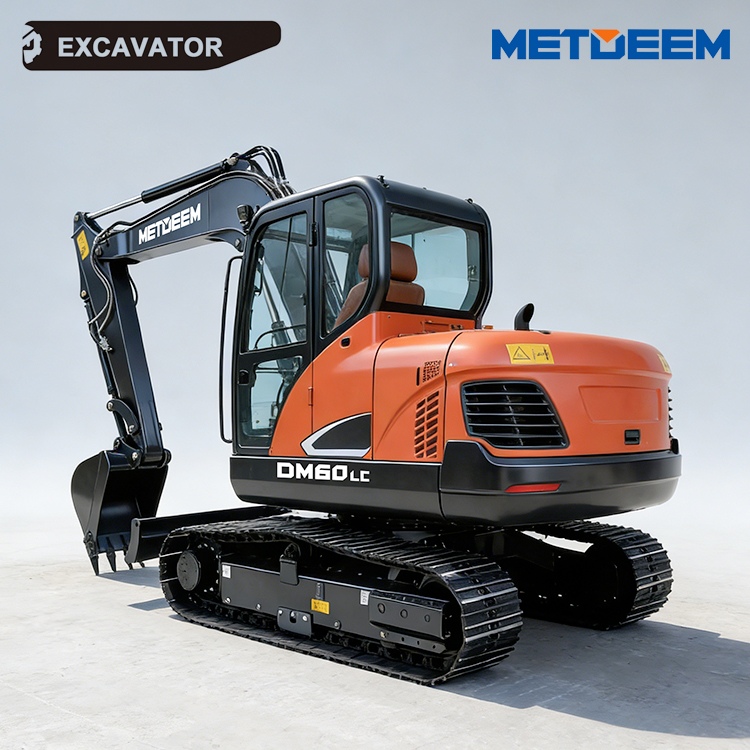
For inside recycling plants, steel factories, or sealed waste stations, the electric model of the METDEEM Hydraulic and Electric Orange Peel Grapple sets the benchmark. Such places call for eco-friendly options. The electric power creates no on-site emissions, so it avoids the high costs of large ventilation setups that would otherwise handle engine fumes. Moreover, when using a small carrier like our METDEEM DM60LC in a tight storage area, the reduced sound from an electric grapple boosts worker ease and overall site security.
Outdoor Productivity and Continuous Workloads
Outside locations, like vast material lots or teardown areas, bring unique issues. Here, the ability to move easily matters most. A hydraulic grapple fitted on a METDEEM track excavator lets the operator roam over bumpy ground without concern for dragging cables. In demanding, ongoing tasks—where the grapple sorts thick demolition waste—the toughness of the hydraulic tines, crafted with the same tough materials as our METDEEM hydraulic breakers, promises lasting strength.
Evaluating Energy Consumption and Costs
Long-term Savings with Electric Grapples
Although setting up an electric grapple may call for adding power reels or wiring setups at first, the ongoing energy gains prove worth it. Electric motors change energy into motion more effectively than engines that burn fuel.
Fuel Dynamics and Hydraulic Power Costs
Hydraulic grapples connect to the excavator’s fuel use. Yet, METDEEM has cut these expenses through smart designs. Take our METDEEM DM260LC excavator with its Electronic Fuel Injection feature; it improves fuel savings even during intense hydraulic demands. For those with a group of hydraulic machines, the hydraulic grapple remains a budget-friendly option because of its easy fit with current gear, like the METDEEM DM35 or METDEEM DM45 hydraulic breaker lines.
Assessing Maintenance and Durability
Simplified Maintenance for Electric Versions
The electric power setup forms a “closed-loop” design. It skips the long outside hydraulic hoses that often catch on things and leak in scrap areas. Thus, the chance of oil spills harming the surroundings drops to almost nothing. Regular checks for the electric type center on wire connections and motor oiling, which usually take less effort than overseeing a complete hydraulic flow.
Robust Care for Hydraulic Power Systems
Hydraulic grapples demand regular looks at hoses, seals, and oil cleanliness. However, they prove simpler to fix right on location. Most equipment technicians know hydraulic systems inside out. If a hose fails in a far-off spot, workers can swap it out quickly. We apply top-quality, abrasion-proof materials in our grapples’ build, much like the sturdy parts in our METDEEM DM02 Rock Bucket, so the frame holds up against rocks and metals.
Precise Selection for Specific Sites
Optimization for Ports and Material Yards
In port tasks where grapples link to big, stationary cranes or overhead systems, the electric type nearly always wins out. Its large capacity grasping work with reliable electric pressure speeds up cycles during loading or unloading ships. For these spots, we suggest combining our grapples with other tools, like the METDEEM DM04 Clamshell Bucket, to cover all material needs.
Solutions for Factories and Demolition Sites
For teardown and targeted scrap processing, the hydraulic grapple excels. Its skill in handling materials precisely has no equal. On bumpy building sites—where balance improves via our METDEEM DM4018Y system—the hydraulic grapple gives the operator a clear feel through the controls. If your area mixes scrap and heavy teardown, think about adding the METDEEM DM06 Hydraulic Magnet alongside your grapple for full cleanup.
Conclusión
Choosing between a hydraulic and electric version of the METDEEM Hydraulic and Electric Orange Peel Grapple shapes your financial results. If you value movement, on-site fixes, and sturdy outdoor work, go with the hydraulic type—driven by a solid unit like the METDEEM DM260LC. But if you work in a set spot, indoors, or under tight emission and sound rules, the electric type brings top efficiency and green standards. At METDEEM, we pledge “professional services and long-term business” plans that exceed what customers expect. By selecting the power type that matches your site’s exact job conditions, you gain peak output and the strongest value from your spend.
Ready to optimize your material handling efficiency with a METDEEM Hydraulic and Electric Orange Peel Grapple? Contact our expert team today for a custom quote and professional site evaluation!
Preguntas frecuentes
Q: Can I use a METDEEM electric orange peel grapple on a standard mobile excavator?
A: Yes, but it requires a modification. Since standard excavators provide hydraulic power, you would need to install an electric power supply system on the machine to power the grapple’s integrated electric motor.
Q: Which version is more durable for handling abrasive scrap metal?
A: Both versions of the METDEEM Hydraulic and Electric Orange Peel Grapple utilize high-strength, wear-resistant steel for the tines and pivot points. The structural durability is identical; the choice depends on whether you prefer the maintenance profile of a hydraulic system or an electric one.
Q: Is the clamping force of the electric grapple as strong as the hydraulic one?
A: Absolutely. Our electric grapples use an internal electro-hydraulic pump to generate the same high-pressure clamping force as a machine-driven hydraulic system, ensuring it can handle large capacity grasping work without any loss in performance.