Mengapa menyimpan itu penting? pemutus hidrolik benar
yang pemutus hidrolik Ini adalah alat impak hidrolik presisi, dengan piston dan lubang silinder beroperasi dengan celah yang sangat rapat. Ketika peralatan tidak digunakan dalam waktu lama, ujung bawah piston dapat tetap terpapar udara di ruang kepala/alat depan dan bersentuhan langsung dengan kelembapan di udara. Jika disimpan dengan tidak benar, di lingkungan yang lembap, asin, atau berventilasi buruk, korosi dapat dimulai dalam beberapa minggu, permukaan piston dapat berkarat, membentuk lubang-lubang kecil. Setelah karat terjadi, lubang korosi atau goresan dapat merusak permukaan penyegelan, mempercepat keausan segel, dan menyebabkan kebocoran internal atau kebocoran oli, yang mengakibatkan penurunan gaya impak dan peningkatan suhu oli. Pada akhirnya, piston atau bahkan rakitan silinder perlu diganti. Bagi kontraktor luar negeri, siklus pengadaan suku cadang perawatan panjang dan biaya tenaga kerja tinggi. Satu insiden karat dapat menyebabkan kerugian beberapa ribu dolar dan beberapa minggu waktu henti. Oleh karena itu, menguasai metode penyimpanan jangka panjang yang ilmiah adalah kunci untuk melindungi investasi dan mengurangi biaya operasional.
Operasi inti sebelum penyimpanan: Pelepasan nitrogen dan perlindungan piston
Mengapa pelepasan nitrogen diperlukan terlebih dahulu?
Gas nitrogen di dalam kepala belakang pemecah hidrolik selalu memberikan dorongan ke depan pada piston. Jika gas nitrogen tidak dilepaskan, meskipun piston didorong paksa ke dalam silinder tengah, tekanan gas nitrogen akan mendorongnya keluar lagi. Urutan yang benar adalah:
- Gunakan alat khusus untuk melepaskan tekanan nitrogen di dalam silinder hingga nol.
- Gunakan pahat atau batang pendorong khusus untuk mendorong piston ke bagian terdalam silinder.
Pada titik ini, permukaan piston yang terbuka digerakkan kembali ke dalam lubang silinder yang dibasahi oli, mengurangi kontak langsung dengan udara dan kelembapan yang tersisa di dalam silinder, membentuk lapisan pelindung film oli yang secara efektif mengisolasi udara.
Langkah-langkah Anti-Korosi Tambahan untuk Penyimpanan Jangka Panjang
Untuk peralatan yang telah disimpan lebih dari tiga bulan, disarankan untuk memasang piston terlebih dahulu, kemudian menggunakan alat penyemprot oli untuk mengoleskan oli anti karat pada permukaan piston. Hal ini akan semakin meningkatkan efek anti karat, terutama bagi pengguna di daerah dengan kelembapan tinggi.
Lingkungan Penyimpanan dan Persyaratan Pemeliharaan Harian
Pemilihan Lokasi Penyimpanan
Alat pemecah hidrolik harus disimpan di tempat yang sejuk, kering, dan berventilasi baik di dalam ruangan. Jangan menyimpan alat pemecah di luar ruangan tanpa perlindungan, dan jangan pernah memaparkannya pada hujan, genangan air, atau kelembapan tanah. Masuknya air hujan atau air tanah akan dengan cepat merusak permukaan geser presisi internal. Bahkan jika mengering kemudian, titik-titik berkarat yang telah terbentuk tidak dapat dihilangkan.
Inspeksi Rutin
Meskipun disimpan, disarankan untuk melakukan pemeriksaan sederhana sebulan sekali:
- Periksa apakah piston tetap sepenuhnya tertarik dan tidak bergerak ke bawah/keluar.
- Periksa apakah ada kebocoran air atau kondensasi di lokasi penyimpanan.
- Jika alat tersebut tetap terpasang, lepaskan secara berkala, bersihkan bagian tangkainya, oleskan kembali gemuk, dan pasang kembali untuk mencegah korosi di area bushing alat.
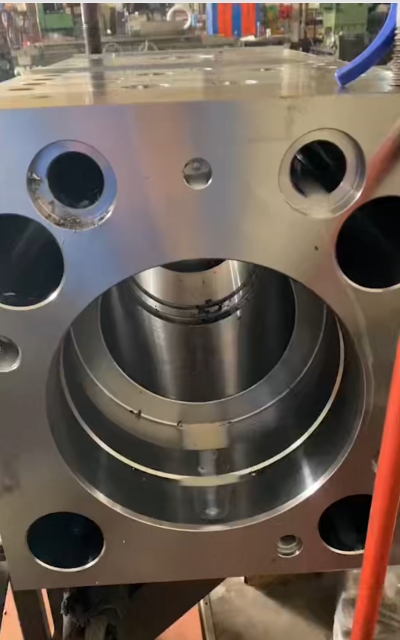
Bahaya Karat dan Manfaat Ekonomi dari Pemeliharaan Preventif
Kerusakan permanen yang disebabkan oleh karat
Begitu muncul lubang-lubang karat pada permukaan piston, kelancaran permukaannya akan terganggu. Bibir seal tidak dapat mempertahankan kontak yang tepat dan kontrol lapisan oli pada permukaan yang kasar atau berlubang, yang dapat menyebabkan kebocoran dan kegagalan seal prematur. Dan karena piston merupakan komponen presisi inti, biaya pengadaan dan waktu pengerjaan penggantiannya sangat mahal.
Nilai Ekonomi dari Penyimpanan Preventif
Perbandingan berikut ini dengan jelas menggambarkan signifikansi ekonomi dari penyimpanan preventif:
| Metode Penyimpanan | Biaya Operasional | Risiko Potensial | Kemungkinan Kerugian |
| Penyimpanan Tidak Terlindungi | 0 | Kemungkinan piston berkarat melebihi 80% | Penggantian piston + biaya tenaga kerja ≈ $800 - $2500, kerugian akibat waktu henti tambahan akan dihitung. |
| Hanya dengan melepaskan nitrogen dan mendorong piston ke dalam | 15 menit persalinan | Kemungkinan terjadinya karat berkurang hingga di bawah 10%. | Hampir tidak ada risiko |
| Melepaskan nitrogen & mendorong piston & menyemprotkan oli anti karat | 30 menit pengerjaan & sedikit minyak anti karat | Kemungkinan terjadinya karat kurang dari 2% | Pengembalian investasi yang sangat tinggi |
Terlihat jelas bahwa: dengan meluangkan sedikit waktu untuk persiapan sebelum penyimpanan, kita dapat menghindari biaya perawatan yang tinggi dan waktu henti peralatan.
Kesimpulan
Menyimpan alat pemecah hidrolik dengan benar tidaklah rumit. Operator hanya perlu memahami dua prinsip inti: melepaskan nitrogen agar piston dapat sepenuhnya masuk ke dalam silinder, dan menggunakan oli hidrolik serta oli anti karat untuk mengisolasi udara. Bagi kontraktor asing dan operator tambang, aset peralatan bernilai tinggi dan suku cadangnya membutuhkan waktu lama untuk diperoleh.
Satu insiden karat saja dapat menimbulkan efek domino yang dapat memengaruhi kemajuan seluruh proyek. Oleh karena itu, kami sangat menyarankan untuk memasukkan langkah-langkah penyimpanan yang dijelaskan dalam artikel ini ke dalam prosedur manajemen peralatan Anda. Dengan cara ini, Anda dapat melindungi setiap sen investasi Anda di tingkat komponen.
FAQ (Pertanyaan umum)
T: Jika gas nitrogen tidak dilepaskan, dapatkah piston didorong ke dalam silinder tengah?
A: Tidak. Karena gas nitrogen selalu memberikan dorongan ke depan pada piston, meskipun didorong masuk secara paksa, piston akan terdorong keluar lagi.
T: Jika tidak ada oli anti karat, dapatkah oli mesin biasa digunakan sebagai pengganti untuk penyemprotan?
A: Oli mesin biasa dapat digunakan sebagai pengganti sementara, tetapi sifat anti karat dan daya penetrasinya tidak sebaik oli anti karat khusus. Disarankan untuk menggunakan oli anti karat khusus bahkan setelah disimpan lebih dari tiga bulan.
T: Jika terdapat sedikit bintik karat pada permukaan piston sebelum disimpan, bagaimana cara menanganinya?
A: Jika bintik-bintik karatnya sangat kecil, Anda dapat menggunakan amplas halus yang dicampur dengan oli mesin untuk memolesnya secara perlahan, kemudian bersihkan secara menyeluruh dan oleskan oli anti karat; jika sudah terbentuk penyok yang terlihat, tidak disarankan untuk terus menggunakan piston tersebut; sebaiknya segera diganti.