Por que é crucial armazenar o quebrador hidráulico corretamente
O quebrador hidráulico Trata-se de um acessório de impacto hidráulico de precisão, no qual o pistão e o cilindro operam com folgas muito reduzidas. Quando o equipamento permanece inativo por longos períodos, a extremidade inferior do pistão pode ficar exposta ao ar na câmara frontal da cabeça/ferramenta e entrar em contato direto com a umidade do ar. Se armazenado incorretamente, em ambientes úmidos, salinos ou mal ventilados, a corrosão pode começar em poucas semanas, a superfície do pistão pode desenvolver ferrugem, formando pequenas cavidades. Uma vez que a ferrugem se instala, as cavidades ou ranhuras de corrosão podem danificar a superfície de vedação, acelerar o desgaste da vedação e levar a vazamentos internos ou de óleo, resultando em redução da força de impacto e aumento da temperatura do óleo. Eventualmente, o pistão ou mesmo o conjunto do cilindro precisará ser substituído. Para contratantes no exterior, o ciclo de aquisição de peças de manutenção é longo e o custo da mão de obra é alto. Um único incidente de ferrugem pode causar perdas de vários milhares de dólares e várias semanas de inatividade. Portanto, dominar métodos científicos de armazenamento a longo prazo é fundamental para proteger o investimento e reduzir os custos operacionais.
Operações principais antes do armazenamento: Liberação de nitrogênio e proteção do pistão.
Por que é necessário liberar nitrogênio primeiro?
O gás nitrogênio dentro da cabeça traseira do martelo hidráulico exerce sempre uma força de empuxo para a frente sobre o pistão. Se o gás nitrogênio não for liberado, mesmo que o pistão seja empurrado à força para dentro do cilindro central, a pressão do gás nitrogênio o empurrará para fora novamente. A sequência correta é:
- Utilize ferramentas especializadas para liberar completamente a pressão do nitrogênio dentro do cilindro, reduzindo-a a zero.
- Utilize um cinzel ou uma haste de empurrar específica para empurrar o pistão até a parte mais profunda do cilindro.
Nesse ponto, a superfície exposta do pistão é movida de volta para o interior do cilindro lubrificado com óleo, reduzindo o contato direto com o ar e a umidade remanescentes no cilindro, formando uma camada protetora de óleo que isola o ar de forma eficaz.
Medidas adicionais anticorrosivas para armazenamento a longo prazo
Para equipamentos que tenham ficado armazenados por mais de três meses, recomenda-se instalar o pistão e, em seguida, usar um pulverizador de óleo para aplicar óleo anticorrosivo na superfície do pistão. Isso aumentará ainda mais o efeito anticorrosivo, especialmente para usuários em áreas de alta umidade.
Ambiente de armazenamento e requisitos de manutenção diária
Seleção do local de armazenamento
O martelo hidráulico deve ser armazenado em local interno fresco, seco e bem ventilado. Não armazene o martelo ao ar livre sem proteção e nunca o exponha à chuva, água parada ou umidade do solo. A infiltração de água da chuva ou do solo danificará rapidamente as superfícies internas de deslizamento de precisão. Mesmo que seque posteriormente, os pontos de ferrugem que se formarem não poderão ser eliminados.
Inspeção regular
Mesmo quando armazenado, recomenda-se realizar uma inspeção simples uma vez por mês:
- Verifique se o pistão permanece totalmente retraído e não se moveu para baixo/para fora.
- Verifique se há algum vazamento de água ou condensação no local de armazenamento.
- Caso a ferramenta permaneça instalada, remova-a periodicamente, limpe a haste, reaplique graxa e reinstale-a para evitar corrosão na área da bucha da ferramenta.
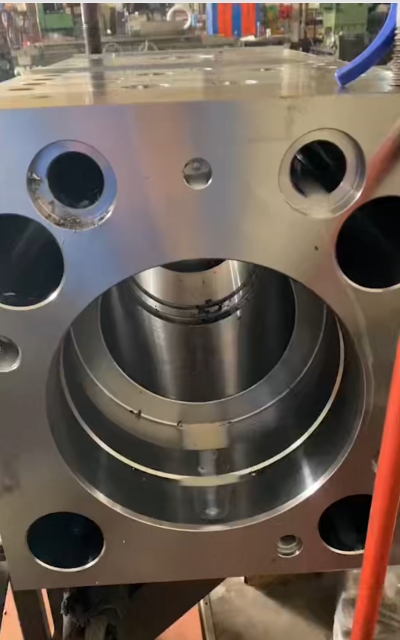
Os perigos da ferrugem e os benefícios econômicos da manutenção preventiva.
Danos irreversíveis causados pela ferrugem
Quando surgem pontos de corrosão na superfície do pistão, sua lisura fica comprometida. Os lábios de vedação não conseguem manter o contato adequado e o controle da película de óleo em uma superfície áspera ou corroída, o que pode causar vazamentos e falha prematura da vedação. Além disso, como o pistão é um componente de precisão essencial, seu custo de aquisição e o tempo de mão de obra para substituição são muito elevados.
O valor econômico do armazenamento preventivo
A comparação a seguir ilustra claramente a importância econômica do armazenamento preventivo:
| Método de armazenamento | Custo operacional | Riscos potenciais | Possíveis perdas |
| Armazenamento desprotegido | 0 | A probabilidade de ferrugem no pistão ultrapassa 80%. | Substituição do pistão + mão de obra ≈ US$ 800 a US$ 2.500, perdas adicionais por tempo de inatividade a serem calculadas |
| Liberando apenas nitrogênio e empurrando o pistão para dentro. | 15 minutos de trabalho | Probabilidade de ferrugem reduzida para menos de 10% | Risco quase nulo |
| Liberação de nitrogênio, acionamento do pistão e pulverização de óleo anticorrosivo. | 30 minutos de trabalho e uma pequena quantidade de óleo antiferrugem. | Probabilidade de ferrugem inferior a 2% | Retorno de investimento extremamente alto |
É evidente que, dedicando pouco tempo aos preparativos prévios ao armazenamento, é possível evitar os elevados custos de manutenção e o tempo de inatividade dos equipamentos.
Conclusão
Armazenar um martelo hidráulico corretamente não é complicado. Basta que o operador compreenda dois princípios básicos: liberar nitrogênio para permitir que o pistão se retraia completamente para dentro do cilindro e usar óleo hidráulico e óleo anticorrosivo para isolar o ar. Para empreiteiras estrangeiras e mineradoras, os equipamentos são ativos de alto valor e a obtenção de peças de reposição leva muito tempo.
Um único incidente de ferrugem pode ter um efeito cascata que pode afetar o andamento de todo o projeto. Portanto, recomendamos fortemente a incorporação das etapas de armazenamento descritas neste artigo em seus procedimentos de gerenciamento de equipamentos. Dessa forma, você poderá proteger cada centavo do seu investimento em nível de componente.
FAQ
P: Se o gás nitrogênio não for liberado, o pistão pode ser empurrado para o cilindro do meio?
A: Não. Porque o gás nitrogênio sempre exerce uma força de impulso para a frente sobre o pistão, mesmo que seja forçado para dentro, ele será expelido novamente.
P: Se não houver óleo antiferrugem, posso usar óleo de motor comum para pulverizar?
A: Pode ser usado como substituto temporário, mas as propriedades anticorrosivas e a penetração do óleo de motor comum não são tão boas quanto as do óleo anticorrosivo específico. Recomenda-se o uso do óleo anticorrosivo específico mesmo após o armazenamento por mais de três meses.
P: Se houver pequenos pontos de ferrugem na superfície do pistão antes do armazenamento, como isso deve ser tratado?
A: Se os pontos de ferrugem forem muito pequenos, você pode usar uma lixa fina combinada com óleo de motor para polir suavemente, depois limpe-os bem e aplique óleo antiferrugem; se formarem amassados visíveis, não é recomendável continuar usando o pistão; ele deve ser substituído imediatamente.