No ritmo acelerado da construção moderna, cada minuto que uma escavadeira fica ociosa representa um impacto direto na rentabilidade do projeto. Tradicionalmente, a troca entre uma caçamba de alta capacidade e um martelo hidráulico exigia de 10 a 30 minutos de remoção manual de pinos e alinhamento do acessório, muitas vezes paralisando todo o fluxo de trabalho. METDEEMComo líder global em máquinas de construção de alto desempenho e empresa certificada em alta tecnologia, entendemos que a continuidade no canteiro de obras é a espinha dorsal do seu sucesso. Ao integrar um engate rápido profissional para soldagem à sua frota, você transforma uma escavadeira padrão em uma máquina versátil com múltiplos implementos. Seja operando um pequeno projeto em um pátio com nossa escavadeira de esteiras compacta METDEEM DM60LC ou gerenciando um enorme canteiro de obras de mineração, nossas soluções de implementos são projetadas para eliminar gargalos, reduzir o trabalho manual e minimizar significativamente o tempo de inatividade da escavadeira, mantendo seus projetos dentro do cronograma.
O gargalo das fixações tradicionais com pino
Ineficiência dos sistemas de remoção manual de pinos
Antes da adoção generalizada de sistemas de engate rápido, os operadores dependiam de métodos manuais de encaixe por pino. Esse processo é notoriamente lento, exigindo que o operador saia da cabine e bata manualmente nos pinos pesados para trocar as ferramentas. Em muitos casos, isso resulta em um tempo ocioso significativo, durante o qual nem a máquina nem a equipe de solo conseguem produzir.
Impacto das frequentes mudanças de apego nas linhas do tempo
Em um canteiro de obras movimentado, uma escavadeira pode precisar alternar entre uma caçamba para rochas METDEEM DM02 para abertura de valas e um martelo hidráulico METDEEM DM45 várias vezes ao dia. Essa ineficiência pode prejudicar o cronograma geral do projeto e as operações subsequentes.
Riscos laborais e elevadas exigências físicas
A troca manual de acessórios não é apenas lenta; é fisicamente exigente e acarreta riscos inerentes. As equipes de apoio em solo precisam trabalhar bem próximas a máquinas pesadas para alinhar pinos e buchas. Na METDEEM, priorizamos a segurança, reconhecendo que reduzir a intervenção manual é a melhor maneira de prevenir acidentes no local.
Maximizando a eficiência com engate rápido tipo soldado
Transição perfeita entre britadores e caçambas
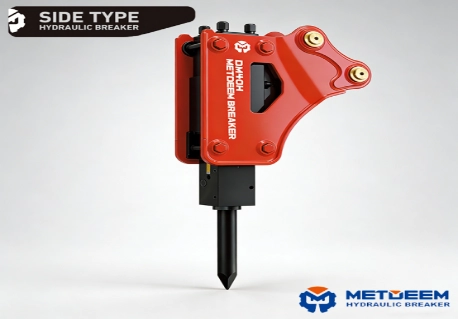
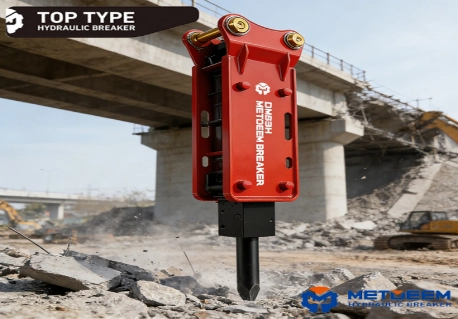
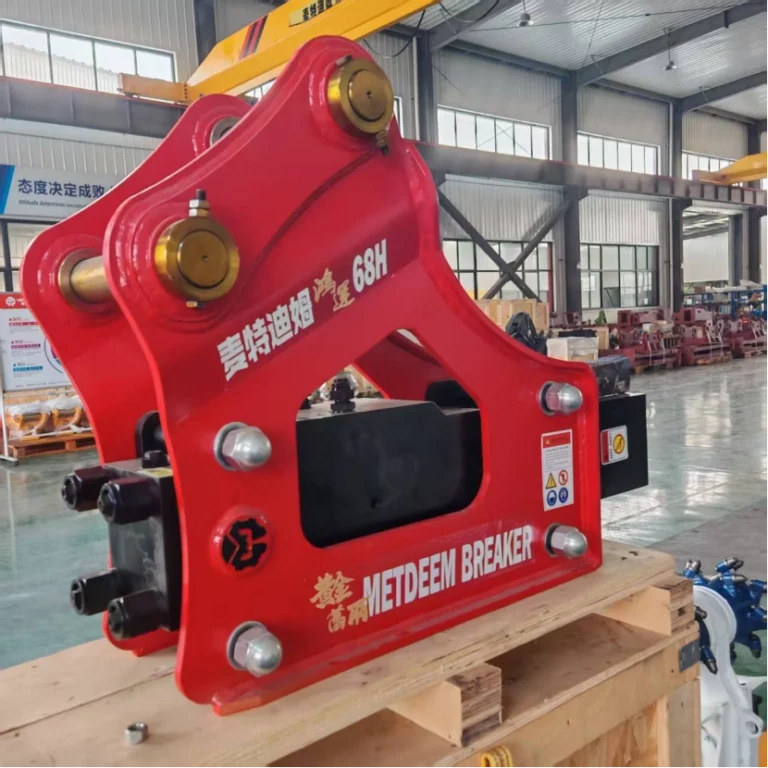
Nossa engate rápido tipo soldagem As soluções permitem uma transição incrivelmente fluida entre diversas tarefas. Um operador pode terminar de quebrar concreto com um rompedor hidráulico METDEEM DM35 e imediatamente acionar uma caçamba com garra METDEEM DM20 para remover os detritos. Essa transição perfeita ajuda a manter o fluxo de trabalho contínuo na obra.
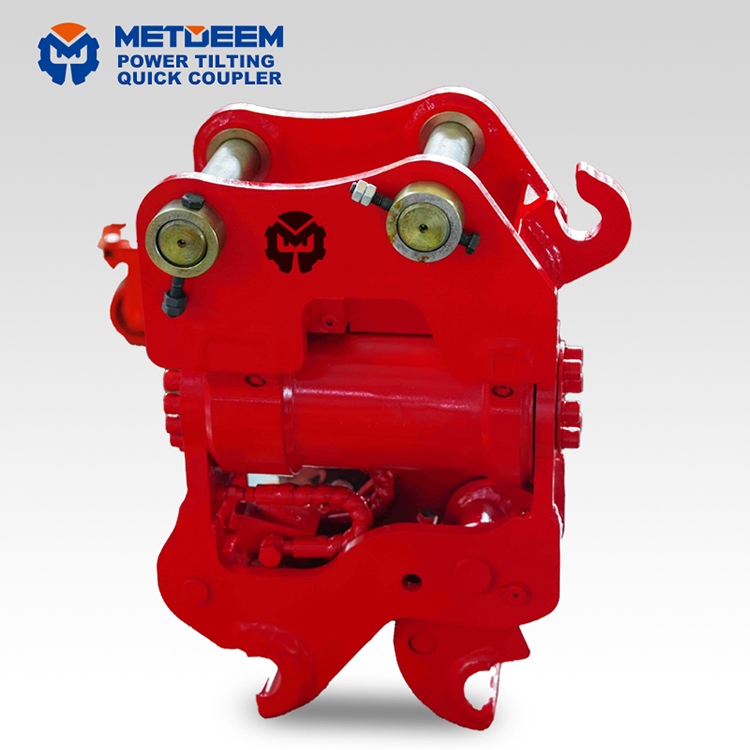
Engenharia METDEEM para Substituição Rápida de Acessórios
Nossos modelos hidráulicos contam com acionamento hidráulico na cabine para trocas rápidas de implementos. Essa capacidade de troca rápida de implementos controlada pelo operador permite que ele permaneça em um ambiente climatizado enquanto o engate rápido tipo solda fixa o novo implemento automaticamente, dobrando a eficiência geral do projeto.
Sistema de engate rápido mecânico versus hidráulico
Engates mecânicos econômicos para operações leves
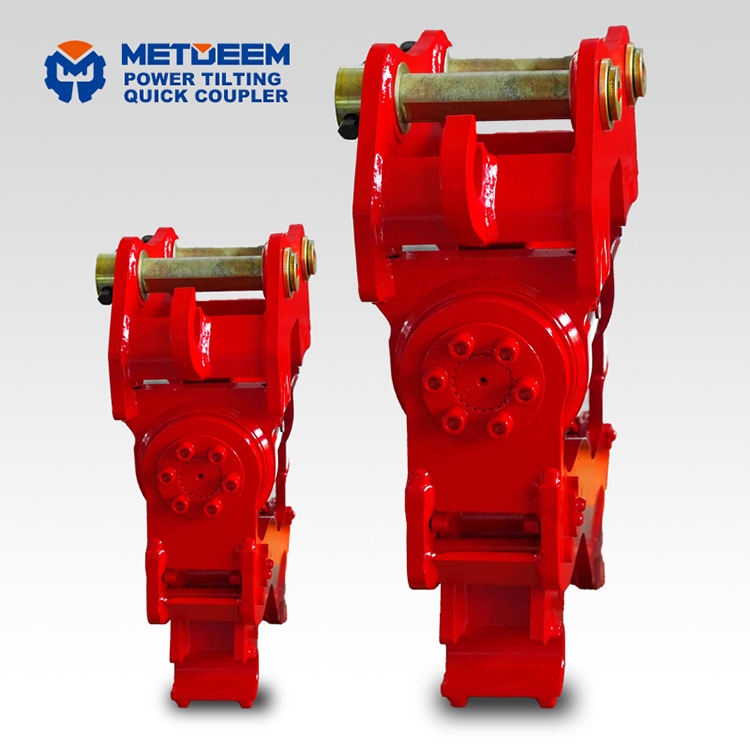
Para projetos com orçamento limitado, onde as trocas de implementos são pouco frequentes, oferecemos o engate rápido mecânico para soldagem. Ideal para escavadeiras de pequeno porte com menos de 15 toneladas, ele proporciona uma operação manual confiável e simples, que ainda supera os métodos tradicionais com pino em termos de praticidade e manutenção.
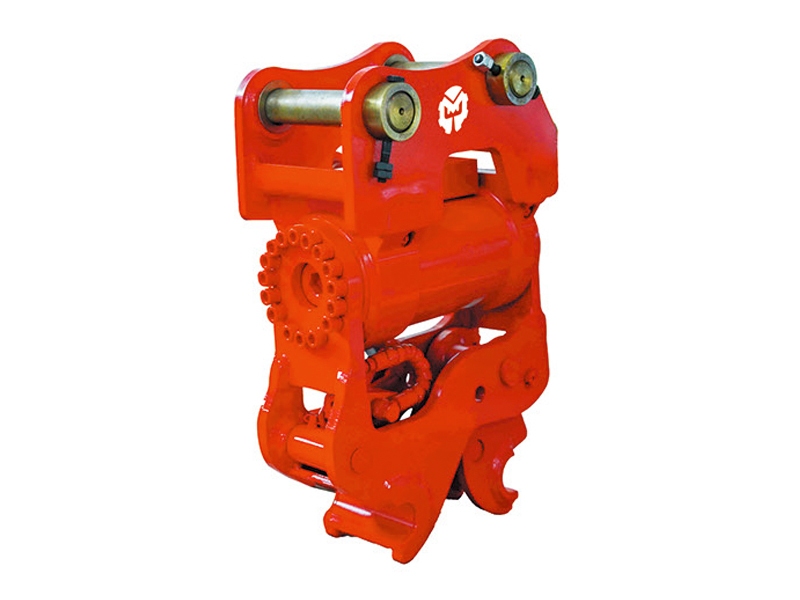
Engates rápidos hidráulicos para versatilidade em alta velocidade
Para projetos dinâmicos e diversificados, como demolição ou construção municipal, nossos engates rápidos hidráulicos são a solução ideal. Esses modelos permitem transições extremamente rápidas, garantindo que seu equipamento METDEEM permaneça produtivo durante toda a jornada de trabalho, sem a necessidade de ajustes manuais de ferramentas.
Selecionando o modelo METDEEM correto para sua tarefa
Oferecemos uma gama completa de modelos para atender a todos os tamanhos de máquinas. Por exemplo, nosso modelo DM-MINI é perfeito para miniescavadeiras de 1,5 a 4 toneladas, enquanto o METDEEM DM-17 foi projetado para escavadeiras de grande porte de 33 a 45 toneladas. Nosso modelo DM-04, projetado para escavadeiras de 5 a 8 toneladas, apresenta uma distância entre centros de 290 a 360 mm e um peso de 80 a 90 kg, proporcionando um equilíbrio perfeito entre força e agilidade.
Engenharia da durabilidade através de soldagem avançada
Aço de alta resistência e tecnologia de soldagem multipasse
A METDEEM utiliza chapas de aço de alta qualidade e técnicas de soldagem multipasse de última geração em seu processo de produção para fabricar seus engates rápidos. Essa abordagem garante que a durabilidade do engate suporte qualquer tipo de tensão ou vibração decorrente de atividades árduas, como britagem de rochas ou escavação.
Confiabilidade a longo prazo em ambientes de mineração severos
Nossos equipamentos são testados nas condições mais extremas, desde pedreiras até dragagem de rios. A estrutura soldada de alta resistência do engate rápido METDEEM oferece excelente relação custo-benefício e confiabilidade a longo prazo, garantindo que o engate não apresente falhas mesmo após milhares de horas de uso.
Aumentando a segurança e reduzindo a intervenção manual.
Eliminar a necessidade de equipes de apoio em terra.
A possibilidade de trocar os implementos a partir da cabine significa que não é mais necessário que haja pessoal em terra próximo à caçamba ou ao rompedor durante a troca. Isso reduz significativamente o risco de lesões por esmagamento e permite que sua equipe se concentre em outras tarefas importantes no canteiro de obras.
Sistemas de dupla trava METDEEM para máxima segurança
A segurança é o princípio fundamental do nosso design. Nossos engates rápidos METDEEM, tanto mecânicos quanto hidráulicos, são equipados de série com um sistema de travamento duplo de segurança totalmente automático. Isso inclui um pino de travamento principal e um dispositivo de segurança independente para evitar que os implementos se soltem acidentalmente em condições extremas.
Retorno estratégico do investimento com as soluções de fixação METDEEM
Redução dos custos operacionais por hora de projeto
O engate rápido para soldagem da METDEEM reduz seus custos operacionais, diminuindo o desperdício de combustível durante longos períodos de marcha lenta enquanto se aguarda a troca manual de implementos. Trocas de ferramentas eficientes significam mais trabalho concluído em menos horas de motor, prolongando a vida útil da sua frota.
Melhorando a versatilidade da frota e a competitividade nas licitações.
Quando suas escavadeiras são mais versáteis, sua empresa se torna mais competitiva. Com nossos engates rápidos, você pode participar de licitações para projetos complexos — como a "mineração linear" mencionada em nossas notícias recentes do setor — sabendo que sua máquina pode alternar instantaneamente entre escavação e movimentação de materiais.
Conclusão
A evolução dos sistemas manuais de engate rápido para um sofisticado sistema de engate rápido soldado representa uma mudança crucial na filosofia da construção, priorizando a fluidez em detrimento do atrito. A METDEEM dominou essa transição, fornecendo engates rápidos certificados e de alta resistência que permitem aos operadores trocar de ferramentas em segundos, em vez de minutos. Ao reduzir a necessidade de intervenção manual e proporcionar uma conexão segura e rápida por meio do nosso sistema de trava dupla, essas conexões não apenas ajudam a economizar tempo, mas também garantem a proteção dos seus lucros e a melhoria da segurança de todos os trabalhadores envolvidos. Ao escolher a tecnologia METDEEM, sua escavadeira se torna a ferramenta mais eficiente do seu parque de equipamentos e poderá lidar com todas as tarefas, desde operações florestais até operações de mineração, sem perda de tempo.
Contate o METDEEM Entre em contato com nossa equipe hoje mesmo para encontrar o engate rápido de soldagem perfeito para sua escavadeira e comece a aumentar a eficiência do seu canteiro de obras!
FAQ
P: Um engate rápido hidráulico é seguro para frenagens bruscas?
A: Com certeza. Os engates hidráulicos METDEEM possuem um sistema de segurança padrão com trava dupla, onde o pino de travamento principal funciona em conjunto com um dispositivo de segurança independente para evitar que os implementos se soltem acidentalmente, mesmo sob as vibrações extremas de um martelo hidráulico.
P: Qual a diferença entre engates mecânicos e hidráulicos?
A: Os engates mecânicos são econômicos e adequados para operações leves, onde a troca de ferramentas é pouco frequente, enquanto os modelos hidráulicos da METDEEM oferecem operação remota não tripulada com um único clique, tornando-os ideais para projetos de construção e demolição diversificados e de alta velocidade.
P: A METDEEM oferece suporte para modelos personalizados?
R: Sim, oferecemos soluções ODM/OEM completas. A METDEEM pode fornecer personalização que abrange desde o design da aparência até ajustes de funcionalidade, com base no seu posicionamento específico de mercado ou em suas condições de trabalho exclusivas.