Understanding Breaking Equipment
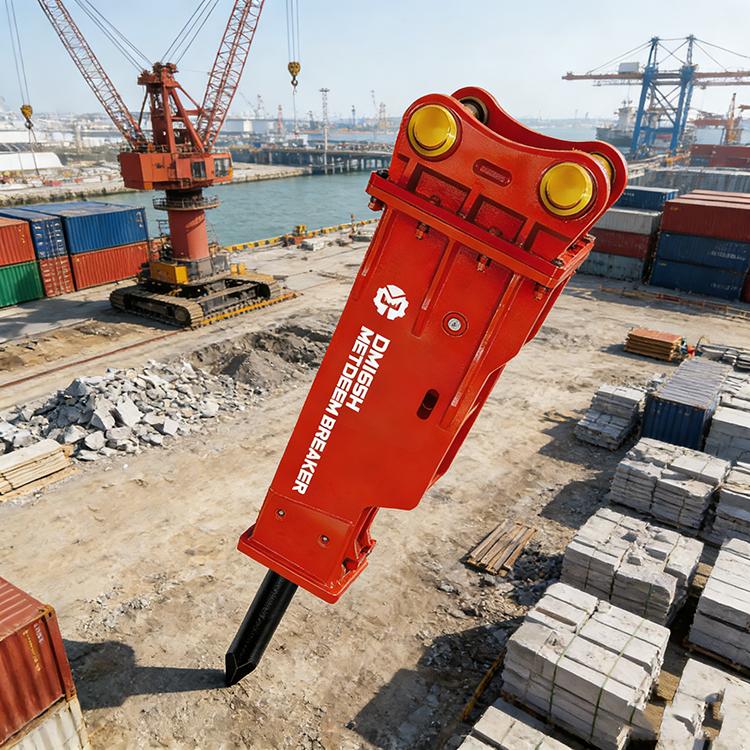
In many areas of work like knocking down structures, rock excavation, secondary breaking operations, and building roadways, dependable breaking tools play a big role in speeding up tasks and getting accurate results. Picking the proper tool— a hydraulic breaker or electric demolition hammer— shapes how the job runs, holds spending in line, and keeps the site safe. METDEEM provides sturdy, long-wearing breaking gear made for all sorts of building areas. This helps cover a wide set of business requirements.
Technical Advantages and Working Principles
Hydraulic systems show their main strength through a solid power-to-weight setup and strong push. Pressurized hydraulic oil drives a reciprocating piston, converting hydraulic energy into high-impact kinetic energy. In turn, this changes fluid power into large striking force. Hydraulic breakers work well in spots that call for steady power and ongoing use over time. Such jobs cover several fields.
- Mining and quarrying: secondary rock crushing and material extraction.
- Large-scale demolition: reinforced concrete breaking in bridges, factories, and high-rise foundations.
- Foundation construction: rock excavation and frozen soil breaking.
- Road engineering: asphalt pavement milling and concrete pavement breaking.
Electric Demolition Hammer: Equipment for Specific Light-Duty Scenarios
Electric demolition hammers draw power from electricity. An inner motor creates fast, repeated hits. These tools fit easy work spots where electricity flows steady and rules on fumes stay strict. They stand out for being easy to carry and simple to handle. No exhaust comes out, which aids the surroundings.
Innovative Design: METDEEM Box Type Silent Hydraulic Breaker
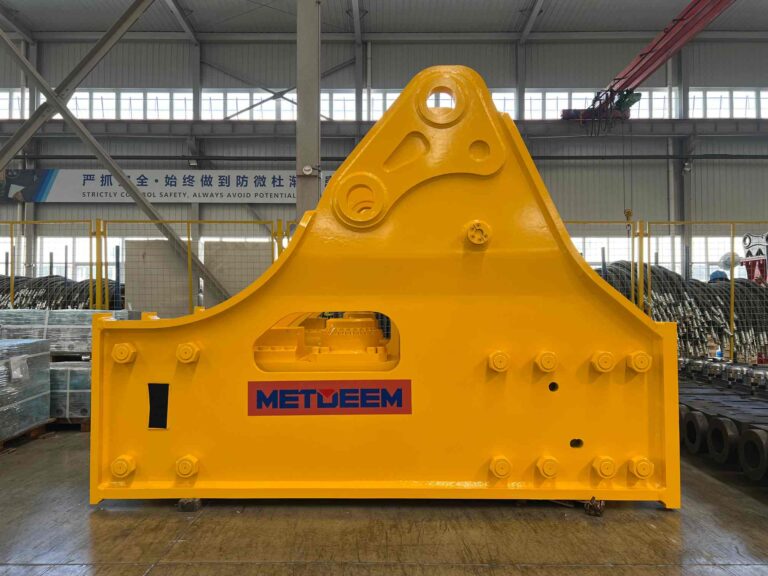
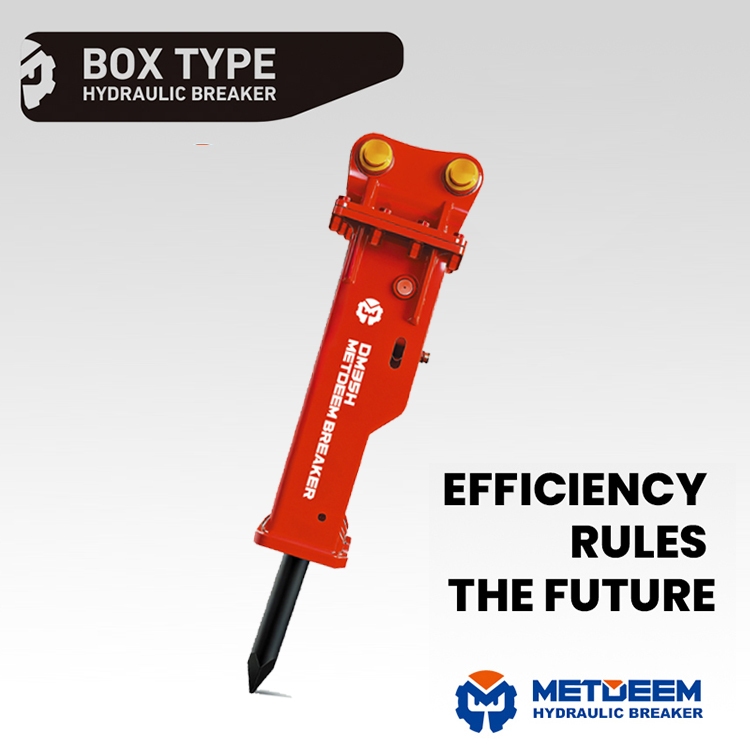
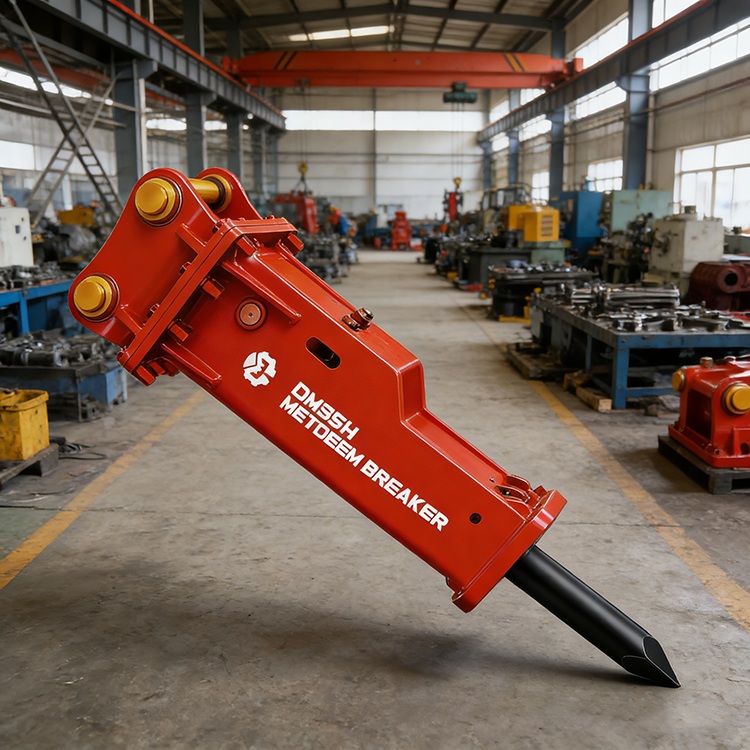
METDEEM Box Type silent hydraulic breaker uses a fresh covered shell approach. It brings several main perks.
Superior Noise and Vibration Reduction
The covered shell blocks and takes in sounds and shakes from the strikes. This betters the space around the worker a lot. It also cuts down on bother to nearby places. As a result, it fits well in areas that react to noise, like town centers, learning spots, and medical centers.
Durability and Ease of Maintenance
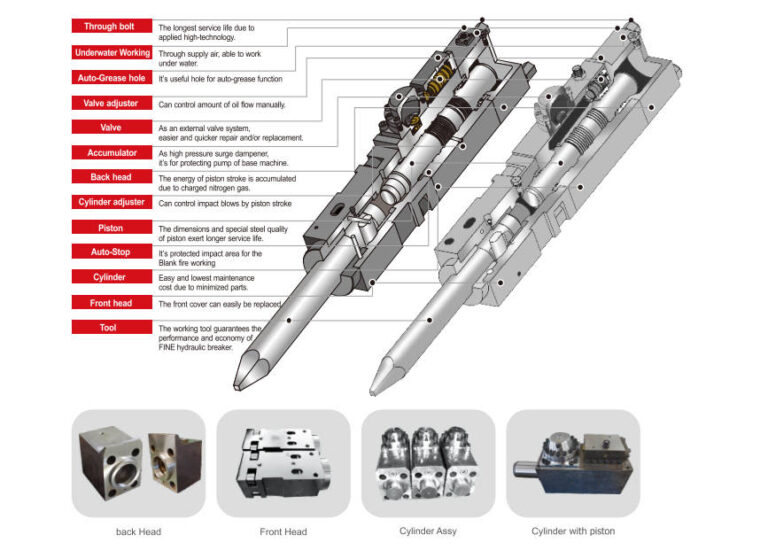
The shell acts as a firm shield for inside exact parts, like pistons and valves. It stops dirt and bits from sneaking in well. This lowers breakdown chances. It also lengthens how long the gear lasts in tough settings. On top of that, the smart build layout makes daily checks and fixes easier.
Product Example: DM35 Silent Hydraulic Breaker
Take the DM35 as a case. It targets 0.8-1.2 ton small excavators. The build stresses steady and trustworthy setup.
- Key Parameters: Weight approximately 100kg, standard 35mm chisel, required hydraulic flow rate 15-20L/min, working pressure 8–12 MPa (80–120 bar).
- Performance Characteristics: Impact frequency up to 700-1200 times/minute, and adjustable. Operators can flexibly adjust according to material hardness (e.g., from limestone to granite), optimizing breaking efficiency while protecting tools and equipment from overload damage.
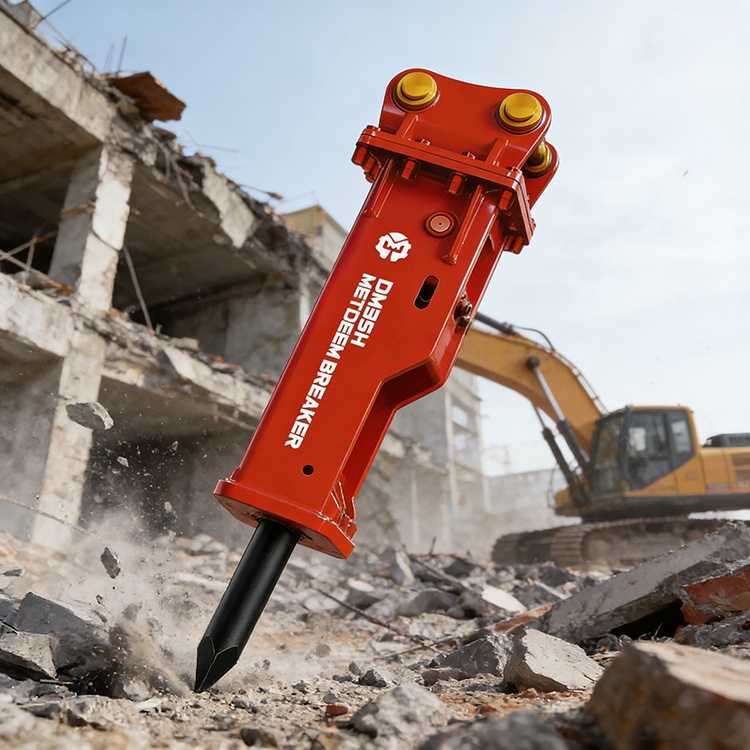
- Application Scenarios: In municipal pipeline excavation, small-scale foundation breaking, and landscaping rock shaping, the DM35 can quickly complete tasks, demonstrating high impact performance within a compact design.
Comprehensive Comparison and Selection Guide
To pick the best fit, think through various sides with care.
Core Strength and Operational Efficiency
Hydraulic breakers rely on fluid drive to create steady, large striking power. This brings very good breaking speed. They manage big stones and concrete pieces from fair to very tough without trouble. Electric demolition hammer offer smaller striking power, though. Their speed works best on light, slim, and fragile stuff.
Applicable Working Conditions and Project Scale
Hydraulic breakers form the main push for tough, wide, nonstop build efforts. You see them often in ore pulls, major structure rips, and base setups. Electric demolition hammer fit better in easy, small jobs with lots of pauses. Think room makeovers or small fixes.
Power Supply and Integration
Hydraulic breakers need excavators or other build machines. Their output depends a lot on exact fluid flow and pressure fits. Electric demolition hammer draw from steady grids or big on-site generators. What holds them back most is if power is there and holds up.
Comprehensive Cost-Benefit Analysis
A hydraulic breaker strong smash rate and lasting build in hard work often cut the price per broken cubic yard a good deal. This leads to stronger money results over the full job span. Electric systems cost less to get at first. But if you use them on tough tasks they can’t handle well, total spending climbs.
Environmental Impact and Sustainability
Current silent hydraulic breakers give clear edges here. The covered shell takes in and cuts off strike sounds and jolts. This lessens bother to workers and spots around a great deal. It suits areas that mind noise, like city neighborhoods, schools, and clinics. At the same time, tight seals cut down risks from fluid oil spills to the ground. Electric demolition hammers produce zero direct exhaust emissions during operation. However, electric demolition hammers typically lack advanced noise and vibration dampening structures compared to silent hydraulic breakers. If a fuel generator runs them, you face side fumes and sound problems.
Operational Requirements and Maintenance Complexity
To run a hydraulic breaker, the worker needs know-how in linking the main machine and extras. The whole thing calls for steady pro fluid care, like looking at oil amounts and seals. This helps it stay solid over time. Electric demolition hammers run simply. Their mechanical bits need only basic daily checks. Seasoned operators say hydraulic care, when followed, avoids most issues. But electric’s ease lets teams with less training jump in right away.
In summary, for most construction projects requiring high efficiency, heavy-duty operation, hydraulic breakers, especially the box-type silent hydraulic breakers with noise and vibration reduction advantages, are the undisputed choice for performance and efficiency.
Conclusion: Developing Solutions with METDEEM
Picking METDEEM brings pro backing on gear and choices. We suggest kicking off with these steps.
- Task nature analysis: Clearly define the type, hardness, volume, and time requirements of the material to be broken.
- Site condition assessment: Verify the availability of a matching main unit on site, the convenience of power access, and space and noise limitations.
- Full Lifecycle Cost Assessment: This involves not only comparing purchase prices but also estimating production efficiency, fuel/electricity consumption, maintenance costs, and the long-term value brought by equipment lifespan.
- Sustainability Considerations: This involves weighing the energy efficiency, emissions, and noise impact on projects and communities.
METDEEM is committed to providing a full range of hydraulic breakers, from light to heavy-duty. With robust construction, reliable performance, and user-friendly design, we ensure your team can complete tasks efficiently and safely in any challenging environment.
FAQ
Q: What is the fundamental difference between a hydraulic breaker and an Electric demolition hammer?
A: The fundamental difference lies in the power source and impact energy level. Hydraulic breakers are driven by a main hydraulic system, providing continuous and powerful impact force for heavy-duty breaking; electric demolition hammers are electrically driven, providing less impact force for light-duty breaking.
Q: When should a hydraulic breaker be chosen?
A: When facing hard rock, thick reinforced concrete, large-scale demolition, or requiring high-intensity continuous operations, hydraulic breakers are an irreplaceable choice in terms of efficiency and effectiveness.
Q: What are the benefits of the “fully enclosed” design of the METDEEM silent hydraulic breaker?
A: The main benefits are significantly reduced operating noise and vibration, improving operator comfort; it also protects internal hydraulic components from contamination, enhancing the overall reliability and durability of the machine in harsh environments.
Q: Is maintaining a hydraulic breaker complicated?
A: It requires regular, standardized maintenance (such as checking hydraulic oil quality, filters, pipe seals, and bolt tightness), but this mature maintenance system ensures long-term stable operation. METDEEM equipment is designed for easy maintenance and offers comprehensive service support.
Q: How do I choose the right METDEEM breaker model for my excavator?
A: The key is matching. You will need to provide the excavator’s tonnage, brand, and model, and the flow and pressure parameters of the spare valve. Our professional team will then recommend the most suitable model to ensure optimal equipment performance and protect the main unit.