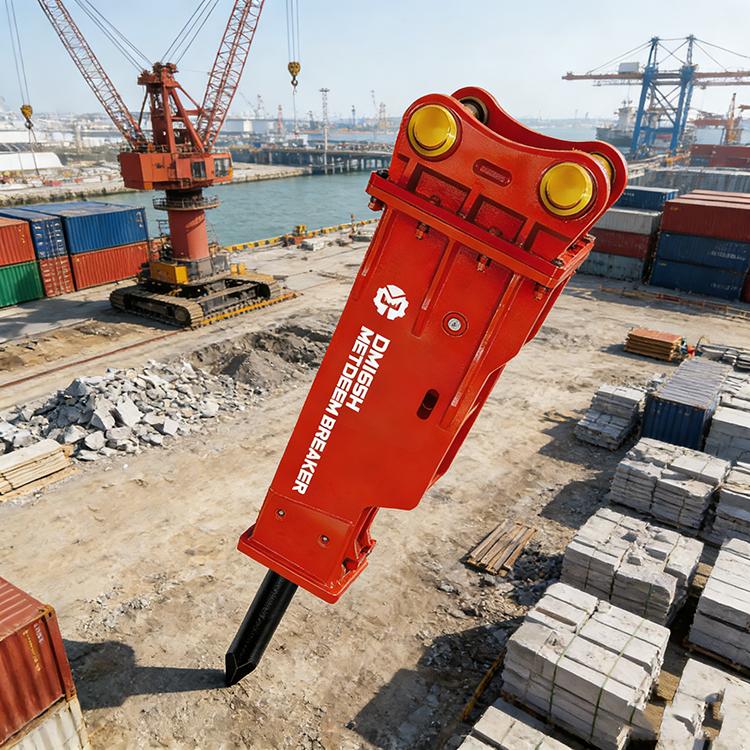
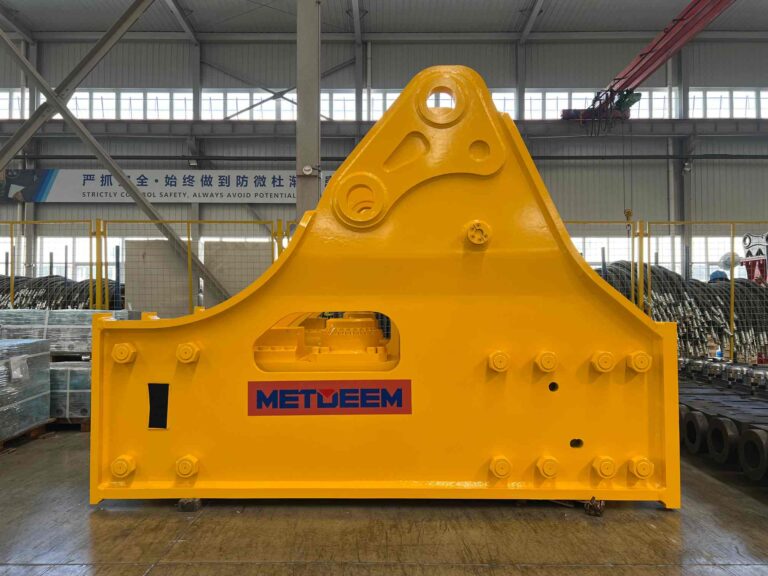
A hydraulic breaker is a heavy attachment that fits on the arm of an excavator. People also call it a hammer or a rock breaker. You see them everywhere on big jobs: tearing up old roads, knocking down concrete buildings, splitting giant rocks in quarries, or opening mountainsides for new tunnels. The hydraulic breaker converts hydraulic pressure from the excavator into high-frequency percussive impacts, allowing efficient demolition of reinforced concrete and hard rock, depending on material hardness and hydraulic breaker specifications.
Why Understanding Its Parts Matters
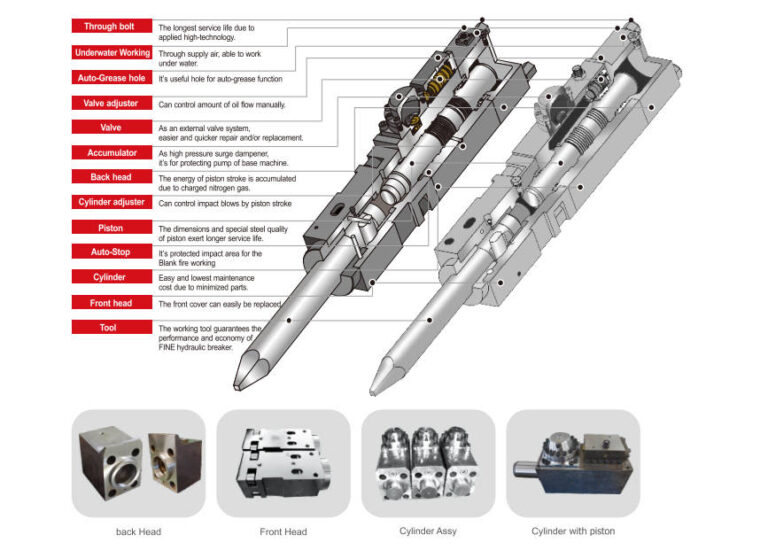
Knowing what’s inside the hydraulic breaker saves you real money and headaches. When operators understand each piece, they spot small problems before they become big breakdowns. Operators who understand when to recharge the accumulator with nitrogen and inspect seals can significantly reduce unplanned downtime. At METDEEM, we build every hydraulic breaker so the parts are strong, easy to reach, and simple to fix when the time comes.
Core Components Overview
The Role of the Piston
The piston is the main moving part inside every hydraulic breaker. It looks like a thick steel bar. Hydraulic pressure drives the piston downward, applying percussive force to the chisel. Typical medium-size hydraulic breakers deliver more than 3,000 joules of impact energy per blow. That is the real power that cracks the rock. In our DM135 Hydraulic Breaker Box Type, the piston is made from special hardened steel and polished so smoothly that it rarely scores the cylinder walls, even after 3,000 working hours.
Understanding the Cylinder
The cylinder is the long steel tube that holds the piston. It has to be perfectly straight and smooth inside. Oil flows in and out through small ports to move the piston fast and hard. Even minor scratches in the cylinder can lead to oil leakage past the seals, reducing the hydraulic breaker’s impact efficiency. We machine METDEEM cylinders on CNC equipment with tolerances smaller than 0.02 mm. That is why a DM35 Hydraulic Breaker Top Type can still hit at full force after two years of daily quarry work.
What the Front Head Does
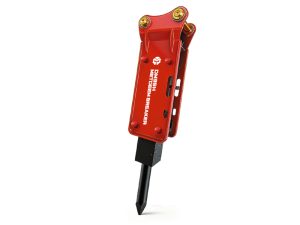
The front head is the bottom section where the chisel sticks out. It guides the chisel to ensure each impact is precisely aligned, optimizing energy transfer to the material. It also takes most of the kick-back when the chisel hits rock. Good front heads have thick replaceable wear bushings. On a busy demolition job in Shanghai last year, one contractor changed only the lower bushing on his METDEEM front head after 1,800 hours and kept working without touching the main body.
The Purpose of the Accumulator
The accumulator sits on top of or on the side of the hydraulic breaker. It is a gas-charged hydraulic accumulator housed in steel, which absorbs pressure spikes and provides additional energy for the next piston stroke. When the piston moves up fast, extra oil pressure has nowhere to go. The accumulator soaks up that spike, so nothing inside the hydraulic breaker gets damaged. It also gives an extra push on the next stroke. Without a healthy accumulator, you feel the machine jerk, and the hits become uneven. METDEEM charges every accumulator with nitrogen to exactly the right pressure before it leaves the factory.
How These Parts Work Together
Energy Conversion Process
Here is the step-by-step inside the hydraulic breaker: the excavator pump sends high-pressure oil through the hoses. The oil enters the control valve first. The valve decides when to push the piston up and when to let it drop. When the piston drops, it slams the chisel. The chisel drives that energy straight into the concrete or rock. The entire cycle operates at an impact frequency of 230–1200 blows per minute, depending on the hydraulic breaker model.
Coordinated Functioning for Performance
Everything has to work together like clockwork. The accumulator smooths out the oil pressure. The cylinder keeps the piston moving straight. The front head guides the chisel so no energy is wasted. That is why a DM140 Hydraulic Breaker Side Type on a 20-ton excavator can break 40 cm thick reinforced concrete quickly without stopping.
METDEEM’s Commitment to Quality
Precision Engineering Standards
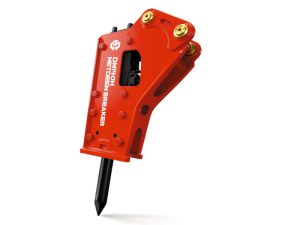
Every METDEEM hydraulic breaker follows the same tough standards we learned from Soosan Series designs. We benchmark our designs against industry-leading models and enhance certain components for improved durability. For example, the DM68 Hydraulic Breaker Box Type uses the same bolt pattern and oil flow requirements as popular Korean models, so it drops right onto most 4.5-7 ton excavators without any adapter plates.
Material Selection and Testing
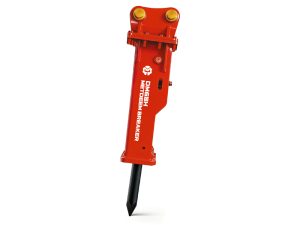
We pick only proven steel grades. The piston and cylinder come from mills that also supply car crankshafts—those parts have to survive millions of cycles. Every single piston gets hardness tested in three places. We drop-test finished hydraulic breakers from 2 meters onto concrete to make sure nothing cracks. Only then do we paint and ship.
Focus on Longevity and Maintenance Ease
Downtime costs more than parts. That is why every METDEEM hydraulic breaker has grease points you can reach from the ground. The tool bushings and seals come out with normal hand tools. A trained crew can replace the seals on a DM175 Hydraulic Breaker Top Type in approximately 45 minutes, minimizing operational downtime.
Conclusion
Knowing the piston, cylinder, front head, and accumulator inside your hydraulic breaker is like knowing the engine in your truck. You catch small issues early, you pick the right size for the job, and you get many more years of hard work from the tool. METDEEM builds every hydraulic breaker with parts that fit together perfectly, stand up to real job-site punishment, and stay easy to service. If you have questions or need the right model for your machine, call us at +86-15318660928 (the same number on WhatsApp) or send an email to metdeem108@126.com. We usually answer the same day.
FAQ
Q: What does a hydraulic breaker actually do?
A: It turns oil pressure from the excavator into fast, hard hammer blows that break rock and concrete.
Q: How often should I maintain my hydraulic breaker?
A: Check oil levels and grease the chisel every day. Charge the accumulator and inspect seals every 500–600 hours, or sooner in dusty quarries.
Q: Can I use any brand’s parts with a METDEEM hydraulic breaker?
A: You can, but original METDEEM parts fit perfectly and keep the warranty valid.
Q: What size hydraulic breaker should I choose for my excavator?
A: Look at your excavator weight and normal carrier class. A 20-ton machine usually takes a 2050 kg hydraulic breaker like the DM140 Hydraulic Breaker Side Type.
Q: Why is my hydraulic breaker losing power?
A: Start with the simple things—low nitrogen in the accumulator, a worn chisel, or low oil flow from the excavator. If those are okay, check the piston seals.