An excavator achieves high productivity only when paired with the proper attachment on its arm. The correct bucket increases digging speed. It also minimizes material loss. At the same time, it protects the machine. This allows operators to complete a task using fewer passes. Conversely, an incorrect choice might bend or wear out rapidly. It could overload the excavator. In some cases, it simply delivers poor results in tough working environments.
Because of these factors, selecting among various excavator bucket types remains a crucial choice. Contractors and rental companies face this decision frequently. Quarry operators, landscapers, and equipment dealers also need to choose wisely. Standard buckets, rock buckets, skeleton buckets, clamp buckets, clamshell buckets, and hydraulic tilt buckets each fulfill distinct operational needs.
This comprehensive guide details the primary types of excavator buckets. It covers their specific uses and essential selection criteria. Furthermore, it highlights the vital role they occupy within a modern attachment fleet.
What Is an Excavator Bucket?
An excavator bucket functions as a robust digging, loading, screening, or handling tool mounted directly onto an excavator. It securely fastens to the machine via pins, a sturdy bracket, or a convenient quick hitch. The boom and arm supply the necessary movement. Meanwhile, the bucket makes direct physical contact with soil, rock, sand, gravel, debris, or other diverse materials.
The most frequent bucket components include:
- Bucket shell
- Cutting edge
- Bucket teeth
- Side cutters
- Wear plates
- Reinforcing ribs
- Mounting ears
- Pins and bushings
- Hydraulic cylinder, on powered models
A bucket’s overall shape and steel thickness significantly impact its daily performance. Tooth design, opening width, and total capacity also play major roles. Before purchasing a model, buyers must evaluate the excavator’s capacity in tons. They should also assess the material’s density and the necessary digging depth. Finally, they need to estimate the anticipated wear levels.
At METDEEM, we manufacture durable buckets and various attachments for construction, quarrying, and mining sectors. We also supply tools for agriculture, forestry, and material handling tasks. Our extensive product line features digging buckets, rock buckets, and screening buckets. We also offer tilt buckets, clamp buckets, and other specialized equipment.
Main Types of Excavator Buckets
Excavator buckets cannot be swapped freely in every scenario. A bucket constructed for soft soil often breaks down rapidly in solid rock. A screening bucket proves highly effective for sorting materials. However, it remains entirely inappropriate for heavy-duty digging tasks. A tilt bucket enhances precision and finishing work. Yet, it is never meant to substitute for a rugged rock bucket.
The subsequent sections describe the most popular types available today. They also outline the specific site conditions where each option excels.
Standard Excavator Bucket
A standard excavator bucket is built for routine digging and loading operations. Operators frequently utilize it with soil, sand, clay, and loose gravel. It also handles other materials that do not generate severe impact or high abrasion.
Typical applications involve:
- Foundation excavation
- Utility trenching
- Site preparation
- Backfilling
- Loading loose soil
- Landscaping
- General construction work
The primary benefit of a standard excavator bucket lies in its broad versatility. It delivers a practical balance among load capacity, digging force, and overall operating weight. For contractors managing regular soil and mixed debris, it usually serves as the foundational bucket in their equipment fleet.
Nevertheless, operators must never force a standard bucket into solid rock or frozen terrain. They should also avoid highly abrasive substances. Such actions can severely damage the teeth and the cutting edge. Furthermore, the side plates and the main bucket shell might suffer structural failure.
Rock Bucket
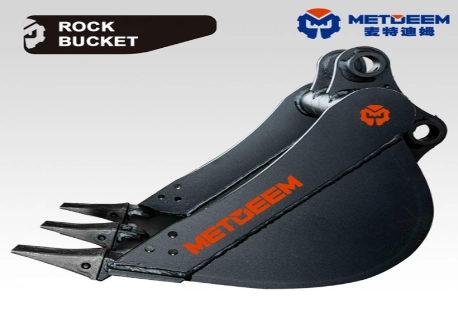
A rock bucket features heavy reinforcement for harsh and highly abrasive work environments. It typically incorporates a tougher body structure and thicker wear plates. It also includes reinforced bottom ribs, more durable teeth, and extra shielding around the side cutters.
A rock bucket is ideal for:
- Quarrying
- Mining
- Hard soil excavation
- Construction waste
- Large gravel
- Rocky trenching
- Demolition cleanup
- Land clearing with stones and roots
The METDEEM DM02 Rock Bucket uses high-strength steel, reinforced ribs, wear-resistant guard plates, and alloy bucket teeth. It is designed for excavators from 0.5 tons to 11 tons, depending on the selected configuration.
A rock bucket is heavier than a standard bucket. Therefore, the excavator must have enough lifting capacity and breakout force. A bucket that is too large can reduce stability and increase hydraulic stress.
Skeleton Bucket
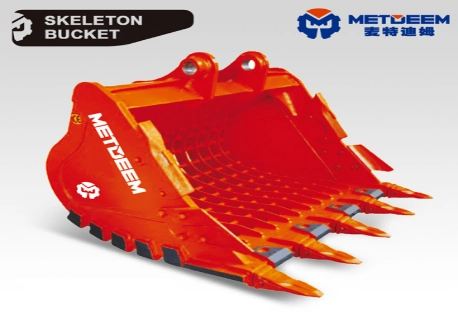
A skeleton bucket, also called a grid bucket, is designed to dig and separate material at the same time. Its gaps allow fine soil, mud, or small particles to fall through while larger rocks, roots, or construction debris remain inside.
This makes it useful for:
- River dredging
- Soil and stone separation
- Construction waste sorting
- Agricultural land cleanup
- Forestry work
- Drainage projects
- Reusing selected materials
The METDEEM DM06 Skeleton Bucket is built with high-strength steel plates and wear-resistant protection for hard working conditions. Its recommended grid gap depends on the material, such as 30-50 mm for river dredging, 50-80 mm for soil-rock separation, and 100-150 mm for mine screening.
The key selection issue is gap size. Smaller gaps separate finer material, while wider gaps reduce blockage when handling wet, sticky, or large debris.
Screening Bucket
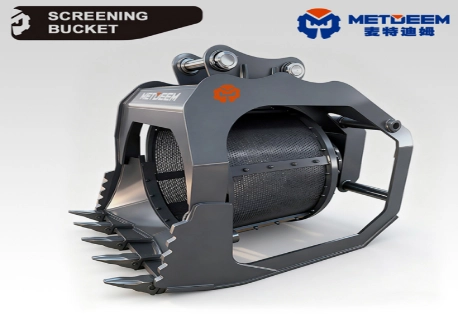
A screening bucket uses a rotating drum or screening mechanism to separate material by size. Some designs can also crush or process larger pieces during the screening cycle.
The METDEEM Hydraulic Screening Bucket is offered in several sizes, from 450 kg to 3000 kg, for excavators from 5.5 tons to 38 tons. It is designed for soil, sand, rock, mining materials, construction waste, and dry-wet separation.
A screening bucket can reduce secondary handling. Instead of digging material, transporting it to another area, and screening it with separate equipment, operators can complete more processing near the excavation point.
Hydraulic Tilt Bucket
A hydraulic tilt bucket can angle left and right through a hydraulic cylinder. It is mainly used for grading, slope trimming, ditch work, drainage, landscaping, and fine finishing.
A tilt bucket is especially useful when the excavator cannot frequently reposition. It allows the operator to adjust the bucket angle while keeping the machine body in a stable location.
Common applications include:
- Roadside ditch shaping
- Slope trimming
- Riverbank work
- Pipe trench finishing
- Landscaping
- Fine grading
- Backfilling around structures
The METDEEM DM02 Hydraulic Tilt Bucket offers a standard tilt angle of approximately 26 degrees and is designed for excavators from 4 tons to 6 tons in the DM-02 configuration.
Clamp and Clamshell Buckets
A clamp bucket combines digging and gripping. Its hydraulic clamp can hold logs, stones, branches, demolition debris, and irregular materials that may fall from a normal bucket.
A clamshell bucket opens and closes like two shells. It is often used for bulk loading, dredging, sand, mud, gravel, and port or mining material handling.
The official METDEEM bucket range includes clamp buckets, skeleton buckets, rock buckets, screening buckets, clamshell buckets, and crusher buckets. This range reflects the different needs of excavation, sorting, loading, and material processing.
How to Choose the Right Excavator Bucket
Choosing a bucket requires more than checking the bucket width. The attachment must match the carrier, the material, and the work cycle. A reliable selection process helps prevent weak digging, excessive fuel use, unstable lifting, and early wear.
Check Excavator Size and Hydraulic Capacity
Start with the excavator capacity in tons. Then compare the bucket’s operating weight, volume, pin dimensions, and intended load.
Check the following information:
- Excavator operating weight
- Bucket weight in kg
- Bucket capacity
- Hydraulic flow in L/min
- Hydraulic pressure in MPa or bar
- Pin diameter
- Arm width
- Quick hitch compatibility
- Material density
- Digging depth and reach
For compact excavators, a lighter bucket is usually easier to control. A heavy rock bucket may be suitable for a 5-ton excavator but unsafe for a 1.5-ton machine.
Match the Bucket to the Material
Material density and abrasion are important. Soft soil may work well with a standard bucket. Hard rock requires reinforced steel, stronger teeth, and additional wear protection. Wet mud may require a wider opening or a clamshell design.
A basic guide is:
- Soil and sand: standard bucket
- Clay and mixed ground: heavy-duty digging bucket
- Rock and gravel: rock bucket
- Roots and loose debris: skeleton bucket
- Fine sorting: screening bucket
- Slopes and finishing: hydraulic tilt bucket
- Bulk material: clamshell bucket
- Irregular loads: clamp bucket
Excavator Buckets in a Multi-Attachment Fleet
Modern contractors often expect one machine to handle several tasks. A compact excavator may dig a trench in the morning, move timber in the afternoon, and clean a site before the end of the day. Quick hitches and matched attachments make this workflow practical.
For example, an excavator timber grab can move logs and branches after land clearing. A steel grab can handle scrap metal, while a hydraulic magnet collects ferrous waste during demolition. A mechanical grapple can support general material handling when hydraulic functions are limited.
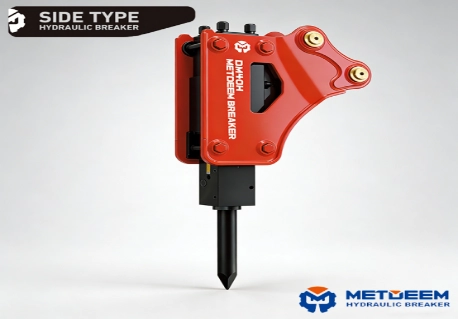
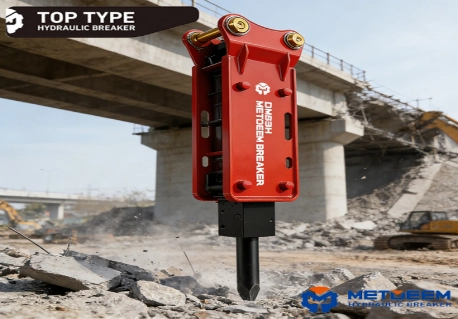
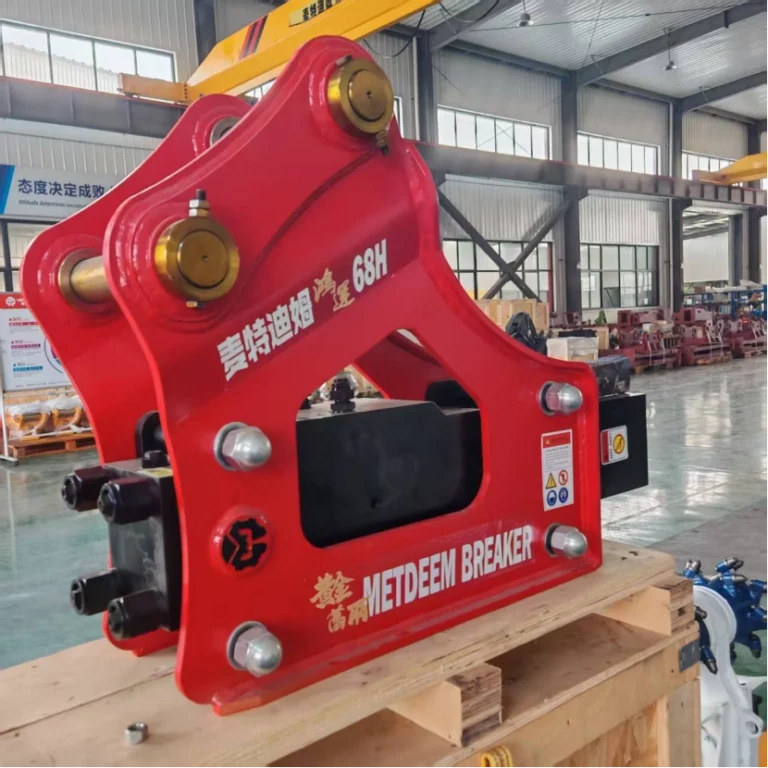
For hard material, the excavator may first use a side breaker or top type breaker. After breaking, a rock bucket can load debris, and a skeleton bucket can separate soil from larger pieces. In rear mining areas, this sequence can reduce unnecessary machine movement and improve material flow.
This is where breaking equipment and buckets work together. Each attachment performs a specific task, allowing the excavator to remain productive through several project stages.
Bucket Maintenance and Service Life
Even a strong bucket needs regular inspection. Wear usually begins at the teeth, cutting edge, side cutters, bottom plates, and weld areas. If operators ignore these parts, damage can spread to the bucket body or excavator linkage.
Inspect the bucket regularly for:
- Missing or worn teeth
- Cracked welds
- Bent side plates
- Damaged cutting edges
- Loose pins
- Bushing wear
- Deformed mounting ears
- Excessive corrosion
- Hydraulic leakage on powered buckets
For heavy-duty work, replace worn teeth before the adapter or bucket edge becomes damaged. Keep pins and bushings lubricated, and remove material trapped around the mounting area.
The same purchasing logic used for low failure rate hammers also applies to buckets: strong materials, clear specifications, replaceable wear parts, and dependable technical support reduce long-term downtime.
Safety Considerations for Bucket Operations
Attachment weight changes the balance and lifting behavior of an excavator. Operators should never exceed the rated capacity of the excavator-bucket combination. The work area should also be checked for underground utilities, unstable ground, overhead obstacles, and people within the swing radius.
For urban projects, a common search question is: which models are best for urban excavation work? In most cases, compact excavators with standard buckets, skeleton buckets, clamp buckets, or hydraulic tilt buckets are easier to use in narrow areas. The final choice depends on the machine’s weight, hydraulic system, access limits, and material.
An accumulator excavator setup may also appear in equipment discussions, but buyers should confirm whether the accumulator belongs to the excavator hydraulic circuit or the attachment. Clear technical communication prevents incorrect matching.
Conclusion
Excavator buckets are designed for different materials, working conditions, and project stages. Standard buckets are suitable for general digging, while rock buckets handle hard and abrasive ground. Skeleton and screening buckets separate materials, hydraulic tilt buckets improve grading, and clamp or clamshell buckets support specialized handling.
The best choice depends on the excavator capacity in tons, bucket weight in kg, hydraulic flow, bucket capacity, material density, wear level, and jobsite space. Contractors should also consider the complete attachment fleet. A rock bucket may work with a side breaker, a skeleton bucket may follow demolition, and an excavator timber grab may support land clearing.
With correct matching, regular inspection, and suitable wear protection, a quality excavator bucket can improve productivity, reduce downtime, and deliver better value throughout the machine’s working life.
FAQs
Q: What is the most common excavator bucket?
A: The standard excavator bucket is the most common option for general digging.
Q: Which bucket is best for rocky ground?
A: A reinforced rock bucket is best for rocky, abrasive, and hard soil conditions.
Q: What bucket helps separate soil and stones?
A: A skeleton bucket separates fine soil from larger stones and debris.