At METDEEM, we know that in the tough settings of construction and mining, excess heat quietly harms output. As a manufacturer focused on reliable machinery, we have observed how sudden stops can disrupt project schedules and costs. This holds whether you run our small METDEEM DM60LC in a busy city area or deploy the sturdy METDEEM DM260LC in a distant pit. Keeping hydraulic temperatures in check matters a lot. Overheating in hydraulic systems ranks among the top problems in intense work areas. Yet, it need not result in long delays. This guide draws on our production know-how to offer a step-by-step, practical method for troubleshooting and construction site diagnosis. In this way, your gear stays tough and performs well.
Understanding Risks of Hydraulic Overheating
Impact on Mining Equipment Maintenance
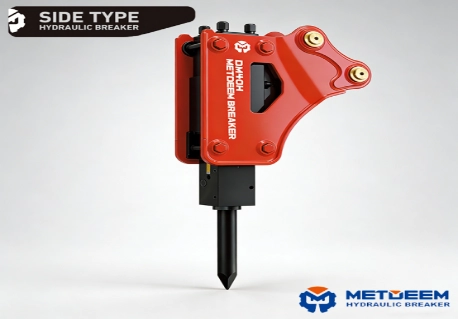
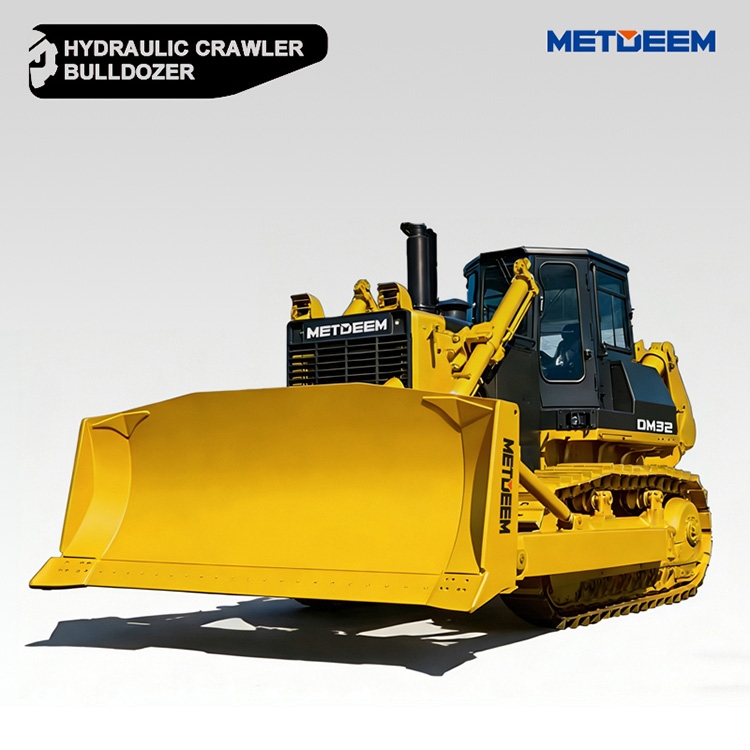
In mining areas, machines such as the METDEEM DM32 bulldozer or our bigger excavators run nonstop amid heavy dirt and heavy loads. When hydraulic oil goes beyond its safe working temperature—often over 82°C (180°F)—it starts to thin out. As a result, friction rises between parts in motion, like the pistons in our METDEEM DM35 Hydraulic Breaker. This speeds up damage and can cause major breakdowns. Regular overheating demands shorter mining equipment maintenance periods, which cuts into your earnings.
Why High Temperatures Damage Components
Excess heat makes hydraulic seals stiffen and split. This results in leaks inside and outside the system. In models like the METDEEM DM260LC, which features electronic fuel injection for better fuel use, the hydraulic setup needs an exact balance to keep the whole machine running smoothly. Overheating causes the oil to break down chemically. It forms a thick buildup that blocks fine control valves.
Immediate Visual and Physical On-Site Checks
Inspecting METDEEM Excavator Hydraulic Oil Quality
The starting point for any construction site diagnosis involves looking at the hydraulic fluid by eye. On a METDEEM excavator, examine the sight glass or dipstick for bubbles or murkiness, signs of water mixing in. If the oil looks black or has a scorched odor, it has already degraded from heat and requires replacement. Such tainted oil fails to remove heat from pumps and cylinders properly. Thus, it often plays a key role in hydraulic system overheating.
Identifying Radiator and Cooler Blockages
Dust plagues mining and construction locations. For equipment like the METDEEM DM4CX backhoe loader, the hydraulic oil cooler tends to clog first from site debris. We suggest a basic “light check”: direct a flashlight through the fins to spot blockages. A slight coating of dust or residue can block heat release, so the exchanger cannot function well. Cleaning these spots regularly forms a key part of troubleshooting heat problems.
Spotting External Leaks in Lines
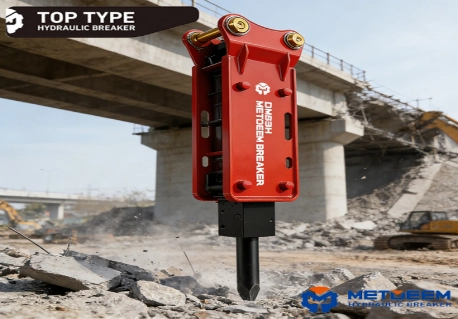
Leaks on the outside not only lose oil; they also lower system pressure. This makes the hydraulic pump strain more, producing extra heat. While checking your METDEEM excavator, focus on joints for demanding tools like the METDEEM DM53 Hydraulic Breaker. Search for damp areas on hoses or near the swivel. A minor seep can draw air into the system, leading to cavitation and quick heat buildup.
Diagnosing Pressure and Flow Issues
Testing Main Pump Pressure Efficiency
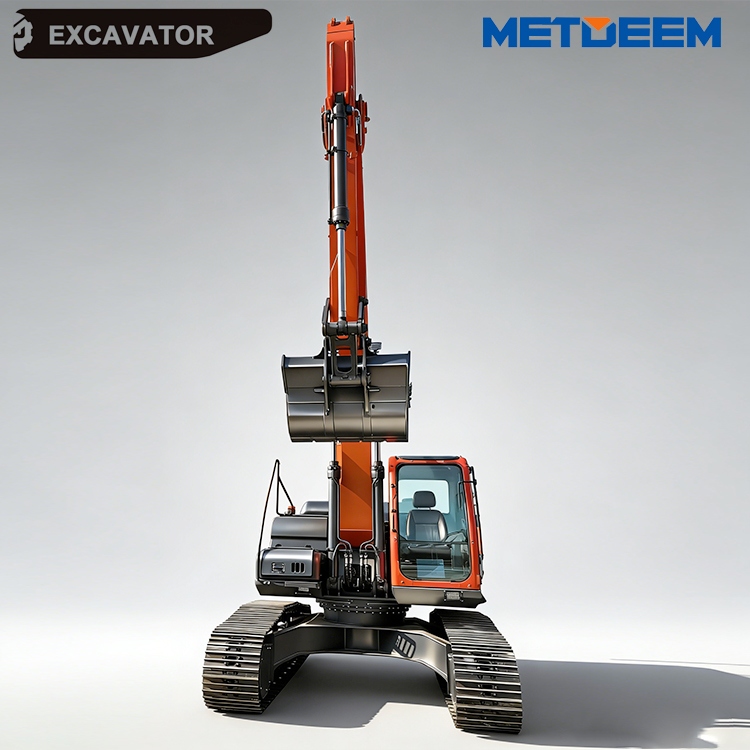
A worn hydraulic pump often creates a lot of heat. In our durable designs, pumps aim for long life, but inside damage can cause “slip,” where oil skips the pumping action and heats up instead of moving. Use the machine’s built-in diagnostics or a separate gauge to confirm the pump hits its standard output. If your METDEEM DM260LC seems slow despite a high engine speed, pump internal leaks might be at fault.
Troubleshooting Control and Relief Valves
The relief valve serves as the system’s safeguard. However, if it sits too low or sticks half-open, it keeps sending high-pressure oil back to the tank. This turns hydraulic power into heat right away. Such issues often occur when changing METDEEM tools, for example, from a METDEEM DM02 Rock Bucket to a high-demand METDEEM DM40 Hydraulic Breaker. Matching relief settings to the tool’s needs helps avoid hydraulic system overheating.
Evaluating Internal Hydraulic Cylinder Leakage
If one task—like raising the boom or curling the bucket—triggers heat, an inside cylinder leak could be the issue. Oil passing a damaged piston seal inside creates friction and focused heat. Diagnose this on site with an infrared thermometer to measure cylinder barrel temperatures on your METDEEM excavator. A much warmer cylinder points to an internal shortcut needing prompt fixes.
Investigating Return Oil Path Resistance
Checking for Clogged Return Oil Filters
Each METDEEM excavator comes with strong filters to shield key parts. Still, a blocked return oil filter builds back pressure. The pump then fights this to move oil, creating unwanted heat. During your construction site diagnosis, look at the filter bypass signal. If it indicates bypassing, the oil misses proper cooling and cleaning.
Impact of Back Pressure on Cooling
Too much back pressure in the return line not only produces heat but can harm the oil cooler, too. In mining work with items like the METDEEM DM06 Skeleton Bucket, steady shaking and strong flows mean any blockage in the return route spikes heat fast. Confirm all hoses fit the right size and lack bends as a simple check in troubleshooting.
Proper Attachment Matching and Optimization
Coordinating METDEEM Hydraulic Breakers and Excavators
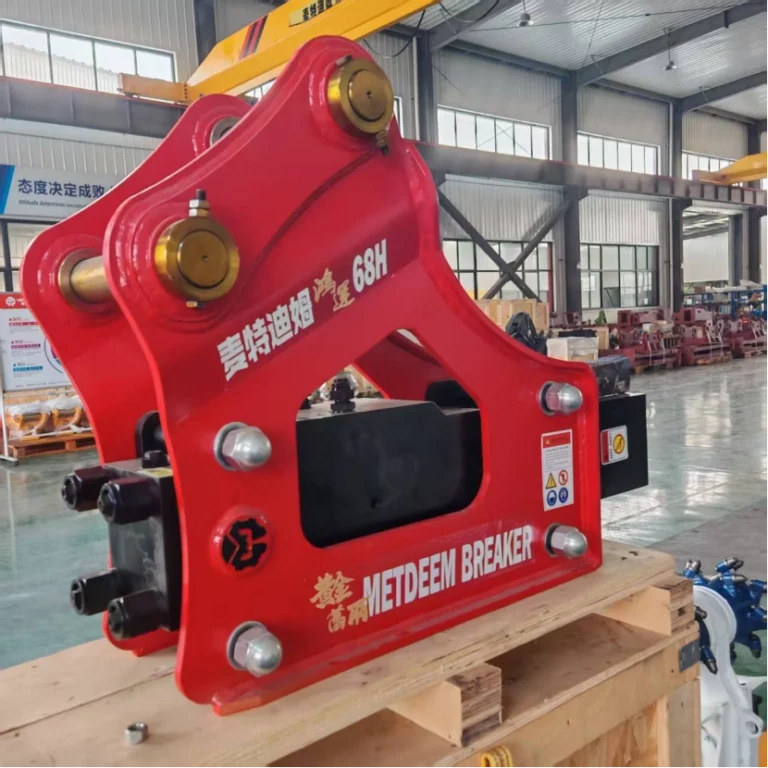
A common overheating trigger is pairing a breaker that does not fit the carrier’s hydraulic output. Our METDEEM DM45 Hydraulic Breaker and METDEEM DM53 Hydraulic Breaker suit certain flow levels to boost force while cutting heat. Setting the excavator flow too high for the breaker sends surplus oil through the relief valve, raising the temperature swiftly. Refer to our specs to get the right pairing.
Avoiding Overheating with Specialized METDEEM Buckets
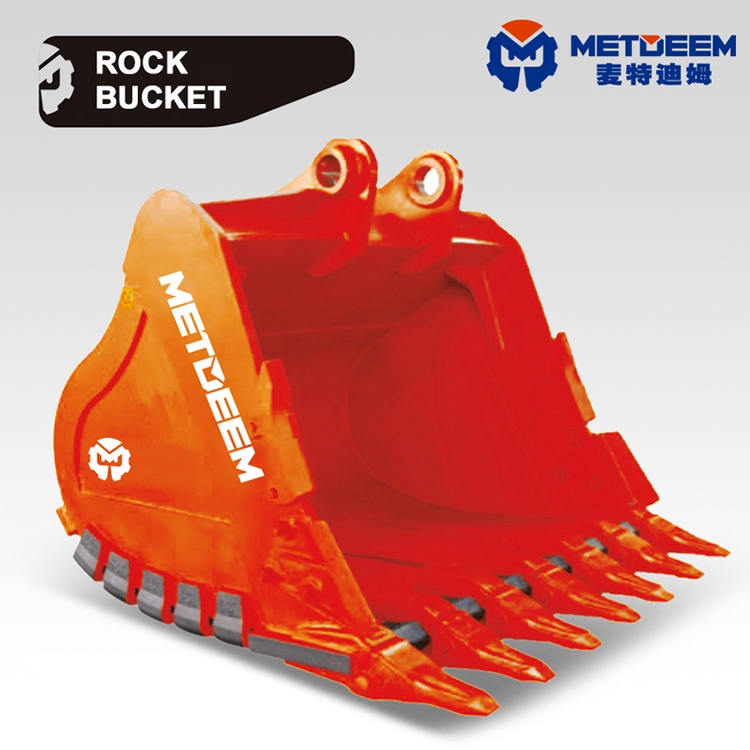
Picking the incorrect bucket for the job can overload the system, too. For instance, digging tough rock with a regular bucket rather than a METDEEM DM02 Rock Bucket or a METDEEM Hydraulic Powerful Rock Crusher Bucket stresses the cylinders heavily. This effort turns into hydraulic heat. Opt for the correct gear, such as our METDEEM DM04 Clamshell Bucket for dock tasks, to keep loads within safe limits. In rock-breaking scenarios, proper bucket choice has lowered heat events by half, per operator reports.
Implementing Immediate Maintenance Solutions
Field Cleaning Techniques for Cooling Systems
If overheating shows up on site, a full clean of the cooling setup often provides the fastest solution. Blow compressed air through the radiator of your METDEEM excavator from inside to outside to clear dust and bits. For tough grease, a gentle wash with a basic cleaner works. This basic action has fixed “overheating” in more than half of on-site situations, particularly in dusty mining areas.
When to Perform Oil Flushes
If the oil has turned dark or a big part, like a pump, breaks, a basic oil swap falls short. You need a complete system flush to clear metal bits and degraded sludge. For global users, depending on METDEEM gear’s strength, stick to the top hydraulic fluids that match ISO rules for lasting heat tolerance.
Conclusion
Spotting hydraulic system overheating fast goes beyond repairing gear; it guards your spending and keeps your team safe at work. Follow a clear sequence—from eyeing oil and coolers to testing pumps and valves—to find the heat source before lasting harm occurs. At METDEEM, we supply solid machines like the METDEEM DM260LC and flexible tools like the METDEEM DM06 Hydraulic Magnet, plus the know-how to thrive in harsh mining and building tasks. A machine that runs cool works well, earns money, and lasts longer.
Contact METDEEM today for expert maintenance support and high-performance excavator solutions to maximize your job site uptime.
FAQ
Q: What are the first signs of hydraulic overheating?
A: Typical signs involve clear drops in hydraulic strength, longer cycle periods, and strange noises like whining or rattling from the main pump. The hydraulic oil might smell burnt, or the temperature display could stay in the danger area.
Q: How often should I clean the radiator on my METDEEM excavator?
A: In dusty spots like mines or teardown jobs, check the radiator each day. A fast air clean at shift’s end stops buildup that sparks hydraulic system overheating.
Q: Can using the wrong hydraulic oil cause overheating?
A: Yes. Oil with the wrong thickness might not lubricate enough or could flow too slowly through the cooler. Always pick fluids that fit the details in your METDEEM operator’s manual.